By Staff Reporter
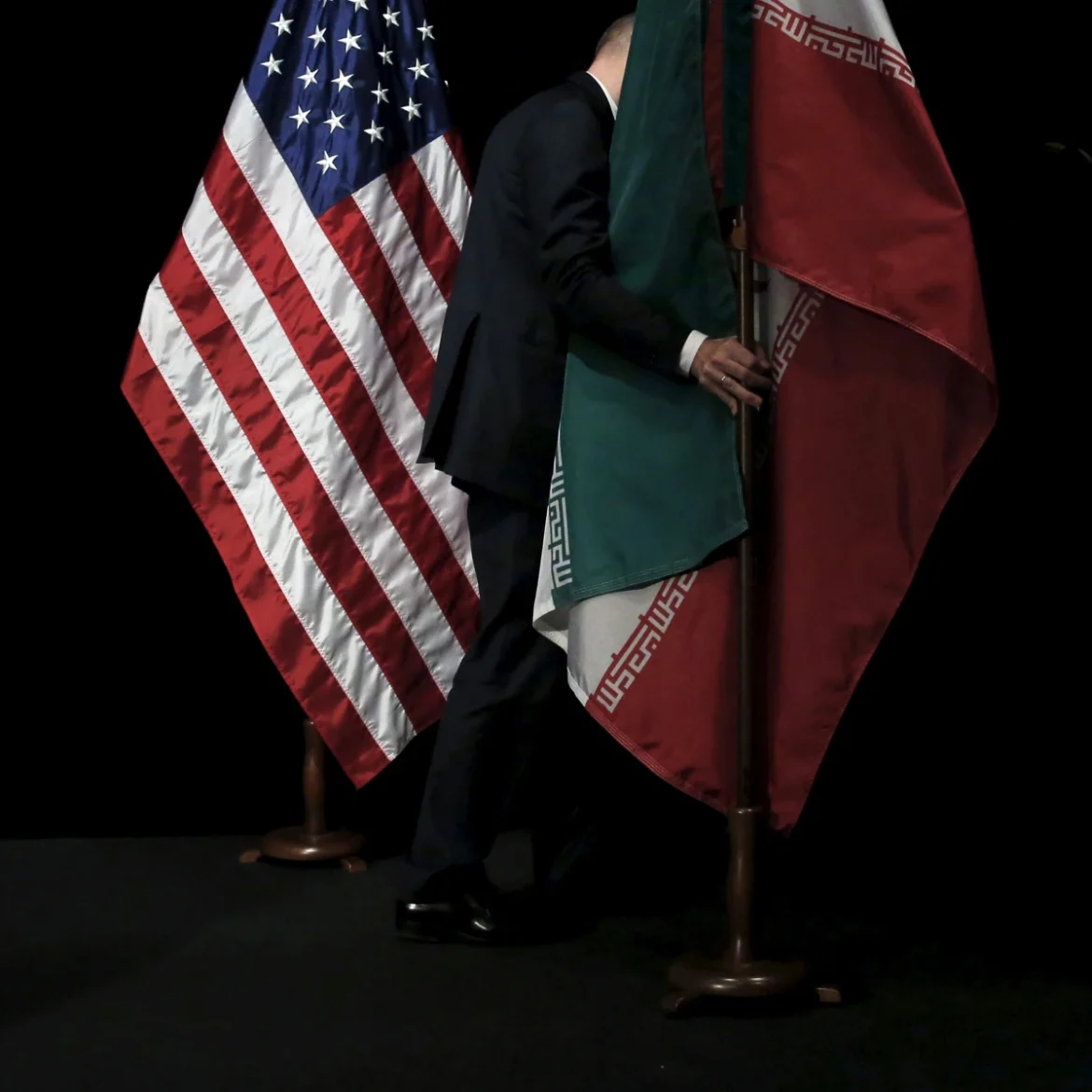
ISLAMABAD: The United States and Iran edged toward a preliminary peace agreement on Saturday, only to fall into a public dispute over when — or whether — it would be signed, as Pakistan set a Sunday virtual ceremony, Tehran said that was premature, and President Trump posted on Truth Social that the signing was 24 hours away and the Strait of Hormuz would open to all shipping the moment it happened.
The tangle of conflicting signals capped nearly three months of war that has killed thousands of people, shut the Strait of Hormuz to international shipping, and sent global energy prices sharply higher since US and Israeli forces struck Iran on Feb. 28.
Prime Minister Shehbaz Sharif, one of the principal mediators in talks that have also drawn in Qatar, Egypt, and Turkey, said a final text had been agreed upon and that Islamabad was ready to host an electronic signing within 24 hours, to be followed by technical-level talks next week.
“We are closer to a peace deal than ever before,” Sharif wrote on X. “We are confident that this historic peace deal will form a strong foundation for lasting peace.”
Trump amplified those remarks and went beyond them, posting on Truth Social that the agreement would be signed on Sunday and that the Strait of Hormuz would reopen to all shipping at that moment.
Iran’s foreign ministry did not agree.
“We will have to wait and see about the exact date of the signing of the memorandum of understanding, although it will not be tomorrow,” spokesman Esmaeil Baghaei told state television. “Due to the hesitation of the other side, we must be cautious.”
A senior US official, speaking on condition of anonymity, declined to be pinned to a date but said the deal on the table was “very strong” and that talks were in “a very, very good place.”
By late evening Saturday, the Pakistani foreign ministry had confirmed a Sunday virtual ceremony was on the calendar — leaving the United States and Iran in open contradiction over the most basic fact of the diplomacy.
What the memorandum would do
The proposed agreement, as laid out by officials on multiple sides of the talks, would extend the April 7 ceasefire by 60 days, reopen the Strait of Hormuz, and lift the US naval blockade that has strangled Iranian oil exports since mid-April. Negotiations over Iran’s nuclear program would come in a separate phase afterward.
The strait carried roughly a fifth of the world’s oil and liquefied natural gas before the war. Iran effectively closed it within days of the conflict’s outbreak. The US blockaded Iranian ports in response. A tenuous ceasefire took hold April 7, but it has strained badly in recent days.
“Iran is going to open up the Strait of Hormuz — that’s a requirement,” the senior US official told reporters. “It could be open with no tolls. As they do that, we will lift our blockade. It’s going to happen in conjunction.”
Demining the strait would follow, the official said, with Britain and France — both Group of Seven members — expected to contribute naval vessels to the effort. Trump is scheduled to raise the issue at the G7 summit in France, which opens Monday, where he plans separate meetings on the sidelines Tuesday with the leaders of Egypt, Qatar, and the United Arab Emirates.
Two sides, two deals
What makes the accord so difficult to pin down is that Washington and Tehran are telling their publics they signed very different agreements.
Iranian Foreign Minister Abbas Araghchi told state television on Friday that the draft showed his country had come through the war in a position of strength. “Iran is the winner of the war with the US,” he said.
US officials said the agreement requires Iran to ultimately dismantle its nuclear program, surrender its stockpile of highly enriched uranium for destruction, and cut off support to allied militant groups across the Middle East. No frozen Iranian assets would be released until Iran meets specific benchmarks, they said. Trump was unequivocal on that point on Saturday. “No money will exchange hands,” he wrote.
Iranian state media quoted Baghaei saying the frozen assets — estimated at $24 billion — are an integral part of the deal, not a future condition. Tehran also says Iran would retain the right to charge tolls on strait passage and that foreign military bases in the region must eventually close. The US official disputed both claims.
The nuclear question is the sharpest divide. Araghchi said Iran has not accepted the dismantling of its program and wants to retain its highly enriched uranium in diluted form. Trump made clear on Saturday he expects the material to be removed entirely, invoking the B-2 bombers that struck Iran’s nuclear sites on the war’s first day.
“At the appropriate time, when all is calm, we will go in and get the Nuclear Dust, buried deep under the powerful sunken granite mountains, thanks to our beautiful B-2 Bombers and their brilliant pilots, and downblend and destroy it, whether in Iran, or the United States,” he wrote.
He also drew a hardline against any arrangement resembling the 2015 nuclear accord. “My Agreement with Iran is the exact opposite — a WALL TO NO NUCLEAR WEAPON,” Trump wrote. “In fact, they no longer want a nuclear weapon, nor will they have one, either through purchase, development, or any other form of procurement.”
He closed with a warning that has become familiar over three months of on-again, off-again negotiations. “Hopefully, this process will all work out quickly, easily, and smoothly,” Trump wrote. “If it doesn’t, we have the ultimate alternative, hopefully never to be used again.”
A week that nearly broke the ceasefire
The diplomatic push came after one of the most violent stretches since April. Iranian and US forces exchanged fire earlier in the week. On Thursday, Trump threatened to seize Iran’s oil terminal at Kharg Island and launch fresh strikes — then claimed hours later that a draft deal had been approved at “the highest level of Iranian leadership.”
Trump has said roughly 40 times since April that a deal was at hand, each time followed by new threats or new setbacks.
On Friday, US forces shot down multiple Iranian one-way attack drones headed toward the strait. US Central Command confirmed the intercepts, and said the waterway remained open — a narrow assurance given how little commercial traffic has moved through it in months.
Israel, not a party to the talks, kept up its own military pressure on Saturday. The Israeli air force struck targets in southern Lebanon, and the military sent evacuation warnings to the city of Nabatieh and more than 20 surrounding towns. Netanyahu said Israel would not be bound by any accord between Washington and Tehran. His defence minister said Israel would not withdraw from Lebanese territory it holds, even as the Iranian version of the draft deal implies such a withdrawal is required to end the Lebanon front.
Khamenei’s funeral, and an untested successor
Iran is also preparing for the funeral of Supreme Leader Ayatollah Ali Khamenei, killed in the US-Israeli airstrike that opened the war on Feb. 28. State media said on Saturday that ceremonies will run from July 4 through July 9, during Muharram, the Shiite calendar’s traditional period of mourning.
The procession will begin in Tehran, move to Qom — a center of senior Shiite scholarship — and end in Mashhad, Khamenei’s birthplace, where he will be interred at the Imam Reza Shrine, the most sacred site in Shiite Islam.
Khamenei ruled for 35 years, longer than his predecessor, Ayatollah Ruhollah Khomeini, who led the 1979 revolution that toppled the Shah. In the decades that followed, Khamenei built the Islamic Revolutionary Guard Corps into the country’s most powerful military and commercial institution, and sustained the network of Shiite alliances stretching from Tehran to Beirut that defined Iran’s regional influence until the war’s outbreak.
His son Mojtaba has taken the role of supreme leader. He is regarded by regional officials as less flexible than his father. He has not appeared publicly since the war began.
Copyright © 2021 Independent Pakistan | All rights reserved