By Staff Reporter
ISLAMABAD: For as long as most Pakistanis can remember, the machinery of applying for Hajj has reset every single year. A new application. A new waiting period. A fresh scramble each cycle to secure one of the coveted spots in the country’s quota for the pilgrimage to Mecca.
That is about to change.
Pakistan’s federal cabinet on Tuesday approved the country’s first four-year Hajj policy, a document that officials say marks the most significant overhaul of the pilgrimage system in decades. Under the plan, which runs from 2027 through 2030, prospective pilgrims will no longer need to reapply annually. Instead, they can register a single time and remain eligible for any year through the end of the decade, according to a statement issued by the Prime Minister’s Office following the cabinet meeting in Islamabad, which was chaired by Prime Minister Shehbaz Sharif.
The shift, cabinet officials said, is intended to bring predictability to a process that has long been governed by short-term, year-to-year rulemaking. Past Hajj policies were drafted fresh each year, a practice that left little room for the kind of long-range planning needed to modernise logistics, training, and pilgrim services.
“The policy is intended to enable long-term planning, improve operational efficiency, and provide better facilities for pilgrims,” the Prime Minister’s Office said in its statement announcing the cabinet’s decision. Standard operating procedures and other implementing regulations will still need to be developed, the statement said, and the policy itself may be amended over the coming years to remain in step with the laws and regulations set by the Kingdom of Saudi Arabia, which oversees the pilgrimage.
A running waiting list, and a way to save
At the centre of the new system is a registration process that functions less like an annual lottery and more like a rolling queue. Pakistanis wishing to perform Hajj will be able to sign up at any point and select their preferred year, with the government maintaining what officials described as a priority waiting list built from those registrations.
Alongside the registration overhaul, the cabinet approved a new Shariah-compliant savings scheme, allowing citizens to begin setting money aside gradually, well in advance of the year they intend to travel, rather than having to assemble the full cost of the pilgrimage in a single year. Hajj remains a significant financial undertaking for many Pakistani families, and officials framed the savings mechanism as a way to make the journey more attainable for those who cannot pay the full cost at once.
Digitising a system long run on paper
Cabinet members were also briefed on plans to digitise nearly every part of how Hajj is administered in Pakistan. That includes new digital payment systems, an online complaints management platform, and digital tools for monitoring the pilgrimage process from registration through travel — a departure from a system that has historically relied heavily on paper processing and in-person bureaucracy.
The policy also formalises separate quotas for pilgrims travelling through the government’s official Hajj scheme and those going through licensed private operators, and it introduces a choice between long- and short-duration Hajj packages. Mandatory training for pilgrims before departure, along with Takaful — Islamic insurance — coverage and emergency response provisions, are built into the plan as well.
The cabinet further directed that so-called Hajj assistants, the personnel who accompany and support pilgrims during the journey, be hired through a merit-based process rather than the more informal appointment practices that have drawn criticism in past years. Officials also called for third-party validation of both government and private Hajj operators, a step aimed at strengthening oversight of a sector that manages the travel and welfare of hundreds of thousands of Pakistanis each year.
The new private-sector framework builds on a separate policy the cabinet approved several weeks earlier, which replaced the traditional quota system for private operators with one based on performance and regulatory compliance, requiring operators to secure a minimum number of bookings and undergo independent evaluation.
This year’s pilgrimage, and what comes next
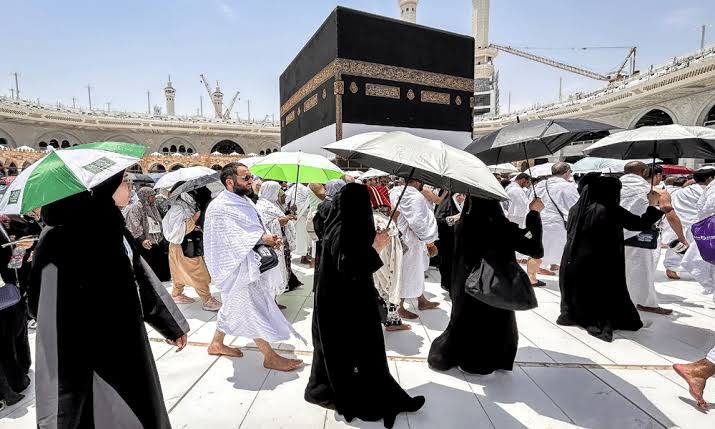
The policy announcement came as cabinet members also praised Sardar Muhammad Yousaf, the federal minister for religious affairs, and his ministry for what they described as a smoothly run Hajj season this year. Hajj 2026 concluded in Saudi Arabia in May, with Pakistan sending an allocated quota of 179,210 pilgrims through both its government and private schemes, part of a pilgrimage that draws millions of Muslims from around the world each year.
Even before Tuesday’s announcement, preparations for the next cycle were already underway. Islamabad opened mandatory registration for Hajj 2027 last month, and state broadcaster Radio Pakistan reported that roughly 250,000 people signed up within the first 15 days alone — an early indication, officials suggested, of the pent-up demand the new multi-year system is designed to manage more efficiently.
Copyright © 2021 Independent Pakistan | All rights reserved