By Staff Reporter
KARACHI: Pakistan’s energy sector is confronting simultaneous pressures on multiple fronts, as the country secured its costliest spot liquefied natural gas cargo since February even as two sanctioned tankers carrying Iranian crude signalled Pakistani waters as a destination, and industry groups warned of imminent petrol and propane shortages.
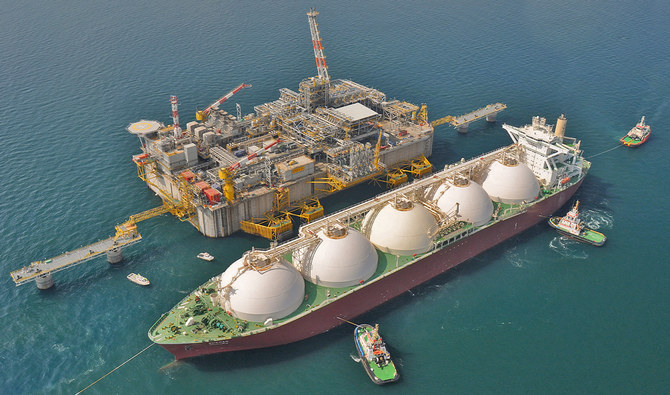
PetroChina International won the tender for a 140,000-cubic-metre LNG cargo at $20.6999 per million British thermal units, edging out BP Singapore’s bid of $21.3737 per MMBtu in a two-bidder contest, according to people familiar with the tender process. Pakistan LNG Ltd. floated the tender on July 14 for delivery on July 21-22.
The price marks the highest Pakistan has paid for a spot cargo since it began competitive bidding for LNG in late February, underscoring how regional tensions are filtering through to energy costs even for buyers with no direct exposure to the conflict. The award will be Pakistan’s sixth spot LNG purchase in five months.
Both bids cleared technical and commercial review before financial evaluation determined the winner, the people said.
Tankers Track Toward Karachi
Separately, ship-tracking data compiled by Bloomberg show two tankers hauling a combined 1 million barrels of Iranian crude switched their destination signals to Karachi on Tuesday — a move analysts say more likely reflects a search for safe harbour than any intent to unload cargo in Pakistan.
The Rani, a suezmax, and the Amil, a medium-range tanker, were already outside the Persian Gulf when Washington reimposed its naval blockade on Iranian shipping. Pakistan has not imported Iranian crude in at least a decade, according to data intelligence firm Kpler, and discharging the cargo would expose the country to US sanctions risk.
Charlie Brown, an adviser to the nonprofit United Against Nuclear Iran, said remaining near Pakistan may offer tanker operators a secure location to wait out developments rather than any plan to bring Iranian oil ashore there. The group had previously tracked empty Iran-linked tankers idling off Karachi to stay close to the Gulf during earlier blockade periods.
Xavier Tang, a senior market analyst at Vortexa, said the vessels could be sailing closer to Pakistan to avoid US Navy ships, using Karachi as a signalled waypoint instead of an actual destination.
Both vessels are under US sanctions and form part of what shipping trackers describe as Iran’s dark fleet. Maritime database Equasis lists Panama-based Starboard Shipping Inc-Pan as owner and manager of the Rani, while Malaysia’s Amelie Ltd owns the Amil, with Hong Kong-based Espoir Shipping Ltd as manager. None of the three could be reached for comment; Equasis lists no contact details for Starboard or Espoir, and the number on file for Amelie is disconnected.
The waters off eastern Malaysia remain the primary hub for ship-to-ship transfers of Iranian crude bound for China, often conducted with transponders switched off to avoid detection. Most tankers exiting the Gulf in recent weeks have signaled Singapore, rather than Karachi, as their next stop.
Petrol Stocks Fall to 15 Days’ Cover
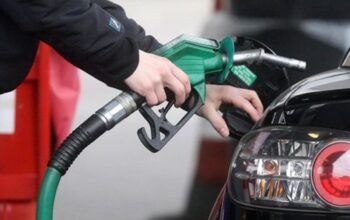
The tanker movements and LNG award came as Pakistan’s oil industry escalated warnings over petrol supply. The Oil Companies Advisory Council, in a letter marked “Most Urgent” to Energy Minister Ali Pervaiz Malik dated July 15, said Motor Spirit inventories had fallen to roughly 370,000 metric tons — about 15 days of national consumption — with actual saleable stock lower still because customs delays through the WEBOC system have held up clearance of the most recent import cargo.
Three petrol cargoes are due between July 15 and July 17, with the MT Bolan already berthed at the Fauji Oil Terminal and Distribution Co. on Thursday. OCAC said further clearance delays could disrupt supply, particularly in upcountry markets that depend on timely redistribution from port.
The council also pointed to a missed Pakistan State Oil cargo that went unapproved by the National Coordination and Management Council in June, denying the system a planned inventory boost, and said expectations of higher global crude prices are already prompting dealers and consumers to accelerate purchases, adding further strain.
Compounding the supply issue, OCAC said unpaid price differential claims of 66.7 billion rupees owed to oil marketing companies have curtailed the industry’s ability to finance imports. The council said member companies can no longer absorb pricing-formula changes or higher working-capital costs while funding increasingly expensive cargoes, and that any consumer relief measures should be government-financed rather than absorbed by operators.
OCAC, in the letter signed by Chairperson Asif Iqbal, called on the Petroleum Division to release outstanding claims, clear WEBOC bottlenecks and support uninterrupted fuel movement nationwide. The letter was copied to the Federal Secretary of the Petroleum Division, the Director General (Oil) and the chairperson of the Oil and Gas Regulatory Authority.
LPG Industry Presses for Price Revision
Adding to the strain, representatives of Pakistan’s LPG industry called for an immediate revision of Ogra’s notified gas price and the reopening of transportation routes through Balochistan, warning that seasonal demand set to rise from mid-August could otherwise trigger shortages and price spikes.
Concerns were first aired at the All Pakistan LPG Conference on July 12, where participants criticized Ogra’s price-setting methodology and flagged broader structural issues, according to Khawaja Nouman Ahmed, a central leader of the industry’s organizing committee. A 20-member delegation subsequently met officials from Ogra and the Petroleum Division; Ahmed called the talks constructive but said they must produce concrete action.
Ahmed said the existing pricing mechanism fails to reflect the true cost of imported LPG, undermining industry viability, and pressed for security measures to unblock transport routes in Balochistan that have been disrupted by law-and-order issues.
The sector typically builds inventory over the summer for winter demand, but Ahmed said unfavorable market conditions and government policy this year have curbed imports and left buffer stocks thinner than usual. “These are key demands. We have been raising them to remove bottlenecks, but the window for timely imports is closing,” Ahmed said, adding that a severe shortage would hit domestic consumers hardest absent government intervention.
Industry representatives said they expect a response from the Petroleum Division and Ogra by the end of this week.
Copyright © 2021 Independent Pakistan | All rights reserved