By Staff Reporter
ISLAMABAD: Pakistan is bracing for one of its steepest fuel-price increases of the year, with high-speed diesel poised to jump by as much as 42 rupees a liter and gasoline by up to 13 rupees when the government issues its next price notification just after midnight Saturday, as renewed fighting between the US and Iran sends benchmark crude and freight costs surging across South Asia.
The anticipated increase — which would take effect from 12:01 a.m. on July 18 — follows a resumption of US strikes on Iranian targets that has jolted global energy markets for the second time this year and reignited fears of disruption through the Strait of Hormuz, the corridor through which a large share of the world’s seaborne crude and liquefied natural gas passes. Sources cited by the Express Tribune said petrol prices could increase by up to 10 rupees per liter, while high-speed diesel may become costlier by as much as 40 rupees.
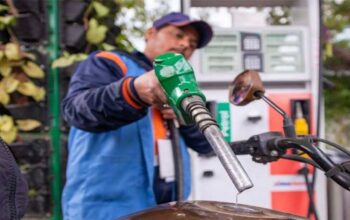
The free-on-board price of diesel cargoes has climbed to $138 a barrel, with gasoline trading near $100 a barrel internationally — a trend expected to put upward pressure on domestic fuel prices, according to the Tribune. The increase would come just a week after Islamabad raised petrol prices by 13.18 rupees and diesel by 13.80 rupees, taking pump prices to 310.71 rupees and 323.30 rupees a liter, respectively — an adjustment that itself followed two consecutive fortnightly price cuts made possible by a temporary lull in the conflict.
Premiums Triple in Ten Days
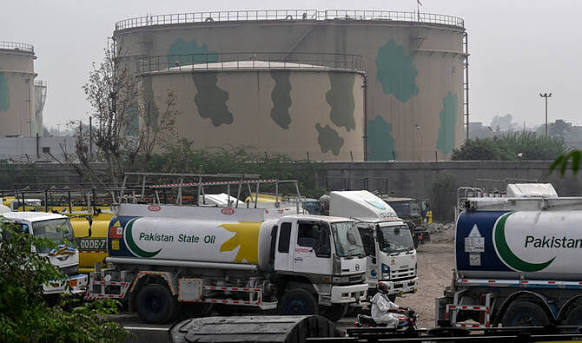
The pricing pressure is compounding rapidly on the import side. Pakistan State Oil, the country’s dominant fuel importer, has seen premiums on its most recent petrol cargoes surge to roughly $25 a barrel, more than double the roughly $12 premium in effect just ten days earlier, according to Dawn, which cited people familiar with the matter. The jump reflects the same shipping and insurance risk premium rippling through global oil markets since the US resumed strikes on Iran, effectively re-pricing the cost of moving crude and refined products anywhere near Gulf waters.
Pakistan imports the bulk of its refined petroleum products and crude, leaving it directly exposed to swings in landed cost whenever a war premium builds into freight and cargo pricing. The country’s oil import bill had already ballooned earlier this year during the initial phase of the conflict, before a temporary de-escalation — formalised in what officials have called the Islamabad memorandum of understanding — allowed prices to ease and the government to cut pump rates by 74 rupees a liter for gasoline in June.
Hoarding Concerns Trigger Government Response
The prospect of a sharp increase has already distorted buying patterns on the ground. Fuel retailers and industry groups have flagged an unusual surge in sales over the first half of July that officials suspect reflects speculative stockpiling rather than genuine demand. Petrol consumption in the first half of the month ran almost 18 to 20 percent higher year-on-year, while diesel demand was about 40 percent above the five-year July average, according to Dawn, citing informed sources.
That divergence prompted the Oil Companies Advisory Council, which represents more than three dozen refiners and marketing companies, to warn the government this week of what it called a looming supply crunch. In a letter to the petroleum minister on Wednesday, the OCAC said the country’s immediately saleable fuel inventory had fallen to critically low levels, with only about 15 days of stock — roughly 370,000 tonnes — available. The council said the strain was being worsened by customs clearance bottlenecks affecting incoming cargoes processed through Pakistan’s WEBOC system, along with the rejection of a planned import cargo in June and a spike in consumer demand tied to anticipation of higher prices ahead. Compounding those operational issues, oil marketing companies are facing severe liquidity strain because the government has yet to release 66.7 billion rupees in outstanding price differential claims, the council said.
Official figures presented separately paint a somewhat less dire picture of headline stocks even as they confirm the supply chain is under stress. Petrol consumption currently runs at around 25,000 tonnes a day against inventories of 345,000 tonnes, with domestic refineries able to contribute no more than 9,000 tonnes daily, according to figures reported by Dawn. Diesel supplies stood at roughly 465,000 tonnes against daily consumption of about 23,000 tonnes, with local refiners supplying around 16,000 tonnes a day — putting diesel cover at roughly 21 days, compared with a 14-day cover for petrol.
Emergency Meeting, Warning to Provinces
The National Coordination and Management Council, a civil-military body created to oversee energy security and chaired by Minister for Economic Affairs Ahad Khan Cheema alongside Lieutenant General Zafar Iqbal as co-chairman of its executive committee, convened an emergency session on Thursday with representatives of the OCAC, the Oil and Gas Regulatory Authority, and the Federal Board of Revenue’s customs wing to review the deteriorating supply picture. The council said afterward that OCAC’s concerns stemmed primarily from an abnormal increase in petroleum product sales during the first 15 days of July, and that analysis presented by Ogra indicated the possibility of hoarding in anticipation of a potential price increase.
The NCMC emphasised that Ogra’s enforcement mechanism should play a more proactive role and urged provincial governments to ensure there is no hoarding, so that petroleum products remain readily available to the public without inconvenience, according to its statement. The committee reaffirmed that petroleum stocks in the country are sufficient and directed all stakeholders to maintain uninterrupted supply nationwide. Petroleum Minister Ali Pervez Malik and representatives of oil marketing companies, refiners and customs officials also attended, with customs authorities pledging to move quickly to clear the clearance backlog, Dawn reported, citing informed sources.
Prime Minister Shehbaz Sharif separately weighed in on Thursday, directing authorities to coordinate with provincial governments and take strict action against those responsible for creating artificial shortages in the market, according to the Tribune. Chairing a high-level meeting on the economic fallout from regional tensions, Sharif said Pakistan’s economy remained stable but stressed the need for a comprehensive strategy to allow a timely response to potential challenges, and warned that escalating regional tensions could weigh on the country’s economic outlook. He commended the public for supporting the government’s austerity and fuel-conservation measures and was briefed that the country holds sufficient petroleum reserves to meet domestic requirements, with measures in place to sustain supply going forward, the Tribune reported.
Smaller Players Squeezed, Smuggling Channel Narrows
Beyond hoarding, officials pointed to a structural shift reshaping the domestic fuel market. The narrowing gap between official and smuggled fuel prices — a product of June’s price cuts — appears to have curbed the flow of cheaper, informally traded Iranian fuel into Pakistan’s southwestern provinces, pushing more buyers toward the formal supply chain and adding further strain to reported consumption figures, according to Dawn, which cited informed sources.
While PSO continues to function as the country’s primary import channel, smaller oil marketing companies have grown increasingly reluctant to commit to fresh cargoes, citing more than 66 billion rupees in pending price differential claims owed to them by the government — the same liquidity gap flagged separately by the OCAC. Officials also said the government has strayed from its prescribed fuel-pricing formula in recent price-setting rounds, a practice the oil industry has told authorities is undermining the financial viability of the sector.
Informed sources told Dawn that the government may be forced to reinstate the fuel-conservation measures rolled out over the preceding months should the regional security situation continue to deteriorate.
Copyright © 2021 Independent Pakistan | All rights reserved