By Staff Reporter
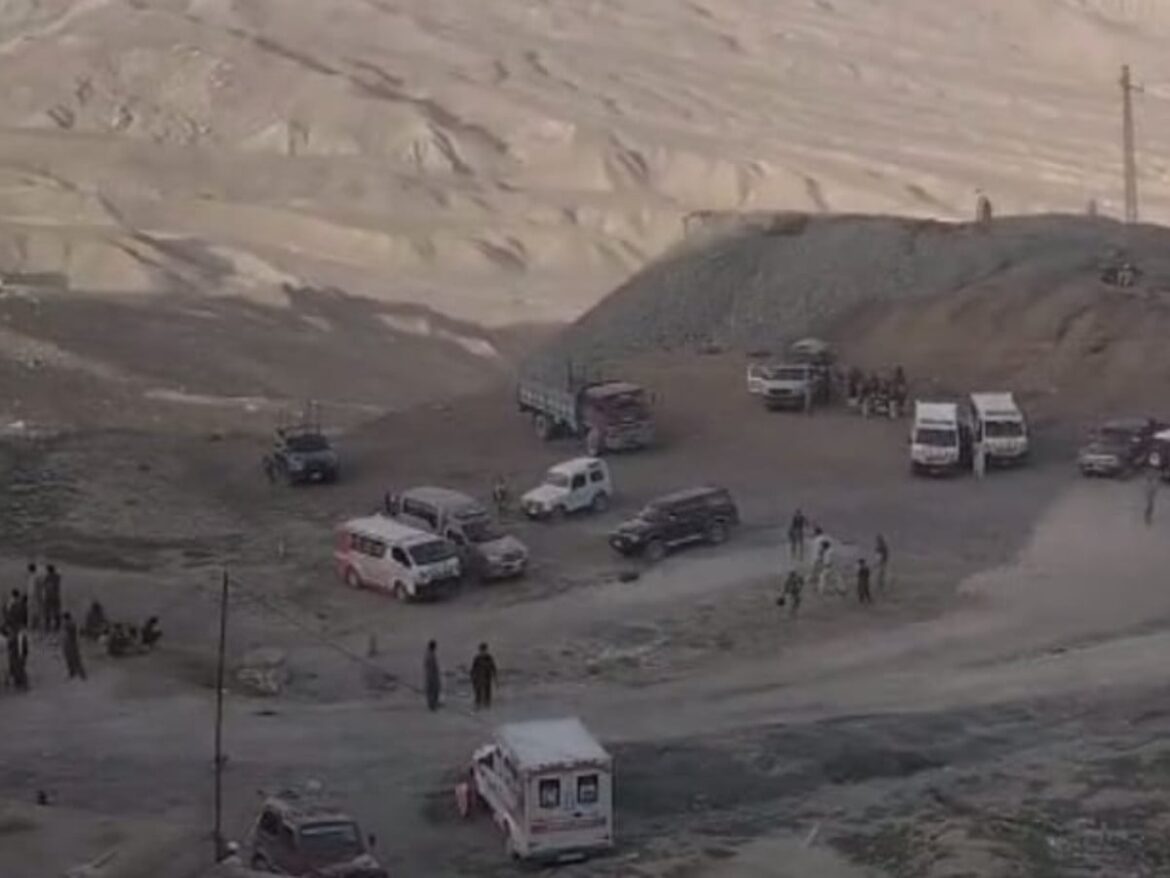
QUETTA: At least two coal miners have been killed and more than 20 others remain trapped after a methane gas explosion ripped through a privately operated mine in the Sorange area near Quetta, the capital of Pakistan’s Balochistan province.
The blast struck the Sardar Usman Coal Company’s mine on Thursday during working hours, after methane gas that had built up underground ignited, according to Chief Inspector of Mines Abdul Ghani Baloch. Around 25 miners were working inside at the time.
Three men have so far been pulled from the wreckage alive by a joint rescue team drawn from the Provincial Disaster Management Authority (PDMA), the Balochistan Mine Rescue Department and other agencies. The bodies of two miners have been recovered. That leaves roughly 22 workers still unaccounted for, with officials warning that the death toll could rise as the operation continues.
Provincial Minister for Mines and Minerals Mir Shoaib Nosherwani confirmed the fatalities and said crews were working to clear rubble and install exhaust systems to reach those still trapped underground. He said Chief Minister Sarfraz Bugti had ordered the chief inspector of mines and PDMA officials to the site immediately after the collapse was reported, and that the provincial government was monitoring the operation “continuously,” with every available resource deployed.
“Every possible assistance would be provided to the families of the affected workers,” Nosherwani said, adding that instructions had been issued to the relevant authorities and that necessary support would reach those affected. He also pledged to tighten safety measures across the province’s mining sector, a promise that has followed previous accidents without translating into lasting change.
The remoteness of the site has complicated the response. Rescue 1122 Operations Director Riaz Raisani said teams were dispatched as soon as word of the blast came through, but that the mine’s distance from Quetta and the difficult terrain surrounding it had slowed their approach. The PDMA said four ambulances were sent to the scene alongside rescue personnel, acting on the instructions of Director General Jehanzeb Khan, after police first alerted the authority to the incident.
Labour leader Pir Muhammad Kakar, who has been in contact with workers’ families, put the number trapped at around 22 once the three survivors were accounted for. As night fell, relatives gathered outside the mine entrance, waiting for word on those still below ground.
A province where the ground keeps giving way
Thursday’s disaster is the third fatal coal mine incident to hit Balochistan this year, each one exposing the same gaps in oversight that officials have repeatedly vowed to close.
In March, two Afghan miners suffocated when toxic methane gas flooded a coal mine in the Chamalang area of Duki district. Police said the men lost consciousness within moments of the gas filling the shaft; safety experts pointed to the absence of proper ventilation and gas detection equipment as the underlying cause.
The following month, three miners died in the Degari area near Quetta after methane and other toxic gases were suddenly released inside a private coal lease, an incident that reignited criticism of hazardous working conditions across the sector. That same month, five coal miners were killed in two further accidents in the Bolan and Duki coalfields.
In June, two miners died when a coal mine collapsed during excavation work in the Khost area of Harnai district. Labour unions branded the collapse “institutional negligence” and accused the authorities of failing to enforce even the most basic workplace safety standards, saying miners were still being sent underground without adequate protective equipment or emergency response plans. Days later, in the Khanuzai area, three people were injured when explosive material used in mining operations detonated accidentally.
Balochistan’s coalfields, among the most productive in Pakistan, remain some of the least regulated. Many mines operate with minimal ventilation, scant gas monitoring and little in the way of emergency infrastructure, leaving workers exposed to the kind of underground gas build-up that triggered Thursday’s explosion. Labour organisations have long argued that provincial oversight bodies lack both the resources and the will to enforce existing regulations, a charge that resurfaces with each new tragedy.
As rescue teams in Sorange continued their work into the night, the immediate priority remained locating the miners still trapped below ground. The broader question — of whether this latest disaster will finally force a change in how the province regulates its mines — is one that has been asked, and left unanswered, after each of the incidents that preceded it this year.
Copyright © 2021 Independent Pakistan | All rights reserved