By Staff Reporter
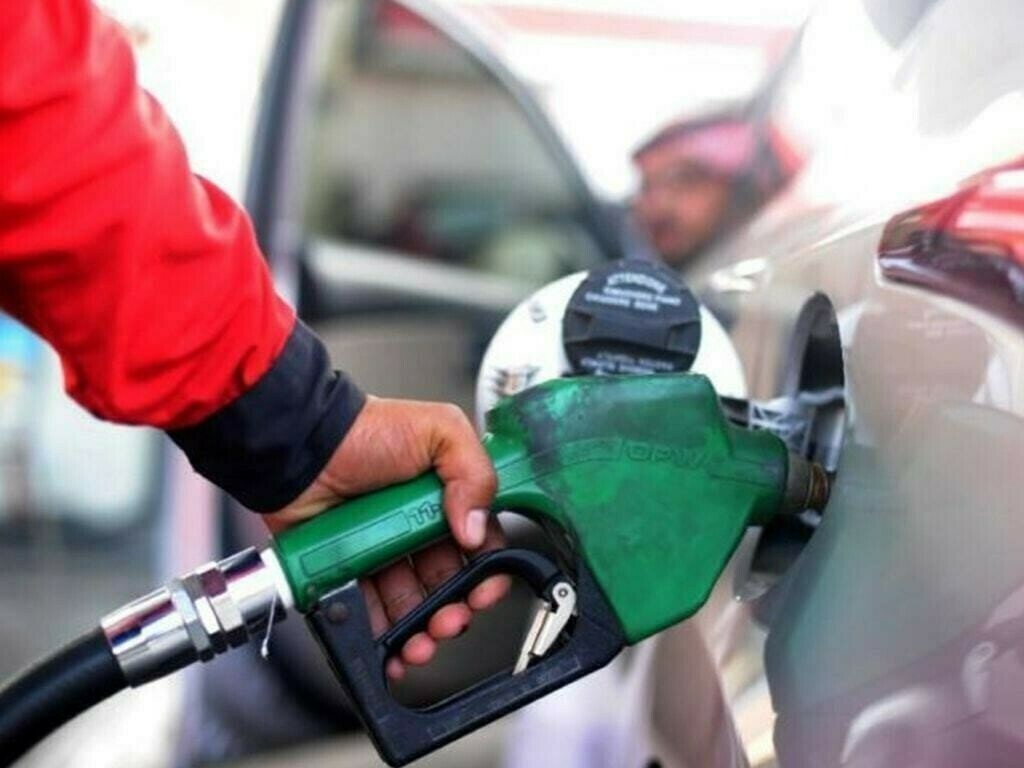
ISLAMABAD: Pakistan lowered the retail price of petrol for a fourth consecutive day while raising the cost of diesel, as the government’s shift to daily fuel pricing continues to expose consumers to the swings of a global oil market unsettled by conflict in the Middle East.
The Petroleum Division cut the price of petrol by 94 paisas to 324.98 rupees a liter, according to a notification issued on Wednesday, while high-speed diesel will rise 54 paisas to 382.79 rupees. The new rates take effect Thursday.
The moves follow a steeper set of changes a day earlier, when the government cut petrol by 1.70 rupees and raised diesel by 1.39 rupees for August 12 — a pattern of frequent, sometimes offsetting adjustments that has become the norm since Islamabad abandoned fortnightly pricing in favor of daily revisions.
Pakistan continues to levy 114 rupees per liter in taxes and duties on petrol and 100 rupees on diesel, a levy structure that has remained a fixture of the pricing formula even as global crude benchmarks fluctuate.
A market still finding its footing
The government adopted daily pricing on July 17, abandoning the weekly review mechanism it had used since early March to respond to swings tied to renewed hostilities between the US and Iran. The government handed the Oil and Gas Regulatory Authority responsibility for setting prices daily based on international trends, with rates now calculated from a seven-day rolling average of global benchmarks intended to bring the mechanism closer to international norms.
Wednesday’s cut extends a decline from the extremes reached earlier this year, when the Iran-US conflict that erupted February 28 sent fuel costs surging across Pakistan’s import-dependent economy. Diesel peaked at 520.35 rupees a liter on April 3, up from 281 rupees before the war began. Petrol followed a similar arc, topping out at 458.41 rupees on the same date after climbing from 266 rupees in the first week of March.
The federal government responded in April with targeted subsidies aimed at cushioning the impact for lower-income consumers, part of a broader set of conservation measures introduced as officials weighed the risk of supply disruptions from the conflict.
The price gap between the two fuels carries distinct economic weight. Petrol is consumed largely by private vehicles, motorcycles and rickshaws, making it a closely watched barometer for middle- and lower-middle-class households. Diesel, by contrast, powers the heavy-transport sector, power plants and large generators, giving it outsized influence over freight costs and electricity generation. Petrol and diesel together dominate the country’s fuel demand, with combined monthly sales of roughly 700,000 to 800,000 tonnes, dwarfing the 10,000 tonnes of monthly kerosene consumption.
A structural vulnerability
The volatility underscores a broader dependency that Pakistan has struggled to insulate itself from. Petroleum products rank among the country’s largest import categories, according to the Pakistan Economic Survey, leaving the economy exposed to swings in global crude prices. Domestic refineries cover only a portion of national demand, with the balance met through imports of crude oil and refined products — a structure that means every rise in international prices feeds directly into Pakistan’s import bill, pressures its foreign exchange reserves, and adds to inflationary pressure.
That exposure follows years in which Islamabad relied on subsidies and administrative controls to shield consumers from price swings, an approach that came at a steep fiscal cost. Governments repeatedly delayed passing higher global prices on to consumers during past oil-price spikes, straining oil marketing companies, refineries and the national budget alike. The resulting subsidies widened fiscal deficits, increased public borrowing and weakened macroeconomic stability — a legacy that has pushed policymakers toward the more market-responsive, if politically harder to manage, daily-pricing model now in place.
The adjustments in Islamabad came against a choppy session in international crude markets. Oil prices steadied Wednesday after earlier climbing as much as $1 a barrel, with forecasters trimming projections for 2026 global demand even as attacks on shipping in the Middle East continued and talks aimed at ending the Iran war stalled.
Brent crude futures slipped 3 cents to $88.88 a barrel by 12:10 p.m. in New York, while US West Texas
Copyright © 2021 Independent Pakistan | All rights reserved