By Staff Reporter
ISLAMABAD: Pakistan raised gasoline and diesel prices for a third consecutive day on Thursday, as renewed fighting between the US and Iran near the Strait of Hormuz pushes global crude benchmarks higher and tests a two-month-old daily pricing system meant to shield the state from the fallout.
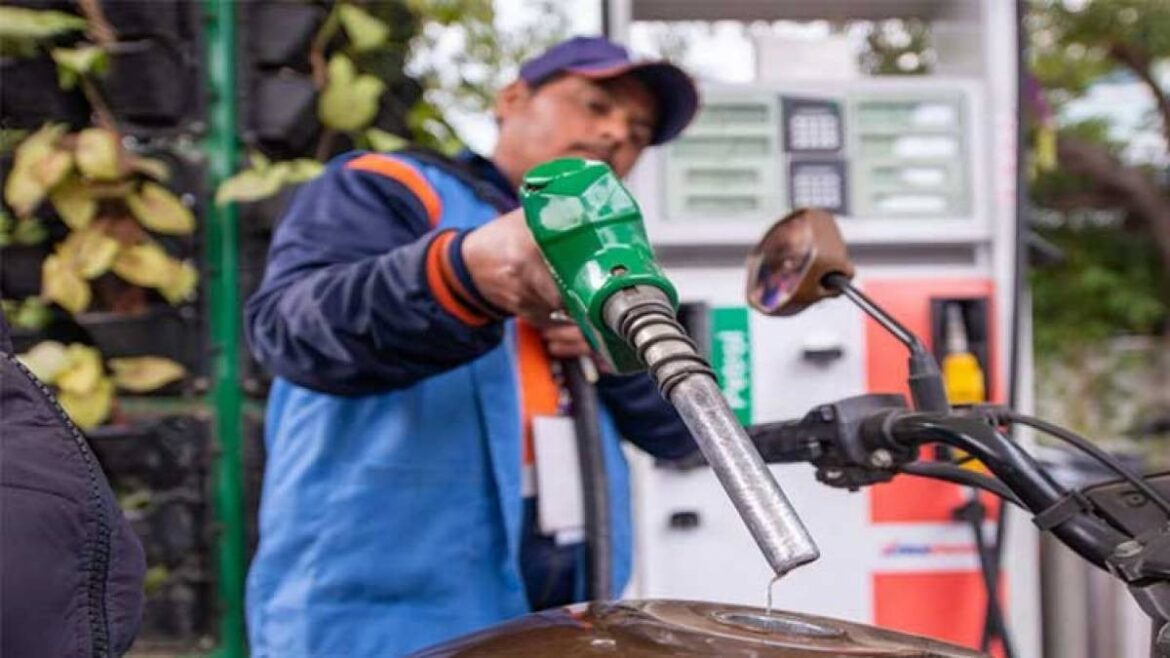
The Oil and Gas Regulatory Authority increased petrol by 2.84 rupees a liter and high-speed diesel by 2.28 rupees, according to a notification from the Petroleum Division of the Ministry of Energy. The new rates — 349 rupees a liter for petrol and 374.31 rupees for diesel — take effect Friday.
Thursday’s move builds on back-to-back increases earlier in the week. The government lifted petrol by 2.29 rupees and diesel by 1.11 rupees in Wednesday’s revision, following a smaller adjustment on Tuesday. Petrol has now risen roughly 5 rupees a liter and diesel about 4 rupees over the two most recent sessions alone.
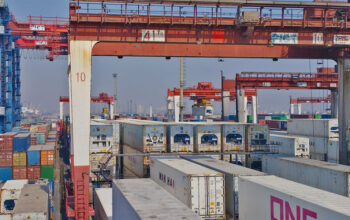
The increases track a renewed climb in international crude markets. Brent crude has traded between $95 and $99 a barrel this week after the US carried out fresh strikes on Iranian targets near the Strait of Hormuz, breaking roughly a month of relative calm. Iran retaliated with drone and missile strikes on American positions across the region, according to state media reports. US President Donald Trump said the latest exchange would be short-lived while signaling Washington remains prepared for further action, and reiterated that the US controls passage through the strait. Despite the exchange, tanker traffic has continued moving through Hormuz, with US officials citing an average of roughly 8 million barrels a day, though volumes remain below their 10-day average.
Pakistan, which imports the bulk of its refined petroleum needs, has little insulation from that volatility. Consumers currently pay 114 rupees a liter in taxes and duties on petrol and 100 rupees on diesel, levies the government has kept in place even as it faces political pressure over pump prices.
Thursday’s increase is a fraction of the swings Pakistan absorbed earlier this year. Diesel peaked at 520.35 rupees a liter on April 3, after climbing from 281 rupees when fighting between the US and Iran first broke out on February 28. Petrol followed a similar arc, topping out at 458.41 rupees on the same day after starting its climb from 266 rupees in the first week of March. Prices have eased substantially since that peak but have resumed climbing over the past several sessions as the conflict has flared anew.
The government has repeatedly changed how often it reviews fuel prices as the conflict has dragged on. It moved from its longstanding fortnightly review cycle to weekly adjustments in early March, as the initial phase of the US-Iran conflict began disrupting oil markets. In April, the federal government layered in targeted relief measures aimed at cushioning the impact on consumers through subsidized fuel.
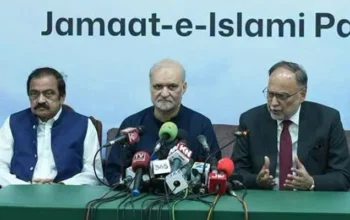
Petroleum Minister Ali Pervaiz Malik announced the shift to daily pricing on July 17, saying the cabinet and Prime Minister Shehbaz Sharif had decided to hand Ogra full responsibility for setting prices each day based on international trends, rather than leaving the government exposed to the financial risk of absorbing price swings itself. Malik has since defended the mechanism against criticism from lawmakers, telling a parliamentary committee that daily adjustments eliminated a flaw in the weekly system, under which oil marketing companies could anticipate three-day price trends and curtail supplies ahead of increases. He has said prices are calculated using a seven-day rolling average of international benchmarks, and that the petroleum levy remains below the level in place before the conflict began in February.
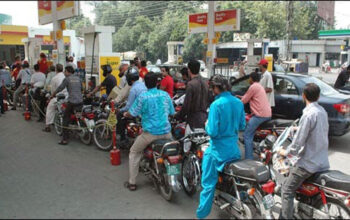
The pricing changes carry outsized political weight in Pakistan, where petrol and diesel account for roughly 700,000 to 800,000 tonnes of combined monthly sales — dwarfing kerosene’s demand of about 10,000 tonnes — and where fuel costs feed directly into transport and food prices nationwide. Petrol is used mostly in private cars, motorcycles and rickshaws, putting the burden of price increases most heavily on middle- and lower-income households. Diesel’s reach is broader still, powering the heavy trucking fleet that moves goods across the country as well as power plants and industrial generators, meaning cost increases tend to ripple through to consumer prices more broadly.
Copyright © 2021 Independent Pakistan | All rights reserved