By Staff Reporter
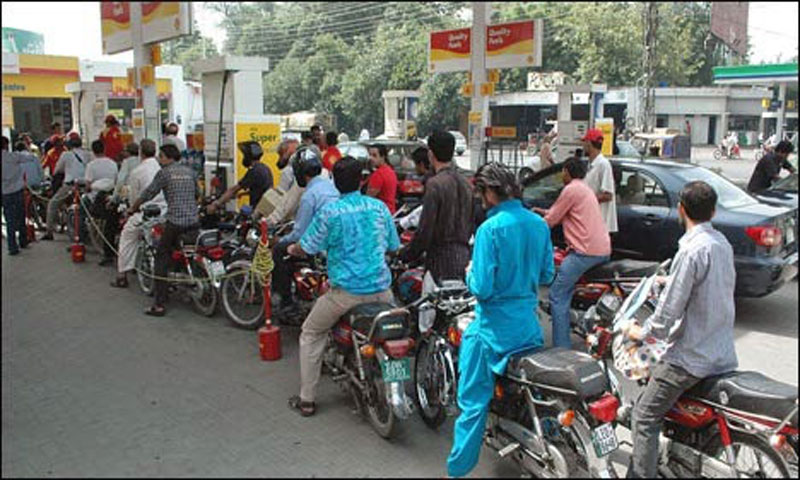
ISLAMABAD: Pakistan is aiming to deregulate petrol prices by June 2027, a step toward dismantling one of South Asia’s most tightly managed fuel-pricing regimes and exposing millions of consumers to global market swings for the first time.
The target was set by the Committee on Petroleum Pricing, a government body chaired by Federal Minister for Petroleum Ali Pervaiz Malik, which met Thursday to review the country’s fuel pricing framework. The panel’s recommendations will be forwarded to Prime Minister Shehbaz Sharif for final approval, according to a statement from the petroleum ministry.
The plan marks a significant break from decades of state control over pump prices in Pakistan, where the government sets petrol and diesel rates daily based on international benchmarks, freight costs, taxes and distributor margins. A shift to market pricing would let retail rates fluctuate more closely with global crude and refined-product markets, a change that could bring both efficiency gains and greater volatility for consumers already squeezed by high inflation.
The push for deregulation gained urgency after fighting in the Middle East disrupted global energy markets earlier this year, driving up shipping costs and squeezing supply routes that Pakistan, a major fuel importer, depends on heavily. The government told the International Monetary Fund it raised retail petrol and diesel prices by 20% in March as it passed through the resulting cost increases, according to the ministry statement.
Since March, authorities have stepped up monitoring of fuel inventories, freight and insurance costs, and shipping-lane disruptions as they sought to insulate the economy from further shocks — an effort that fed directly into the committee’s push to overhaul the pricing system.
“The Committee also reviewed the recommendations for petrol pricing formula while setting a likely target of June 2027 for deregulation of petrol, ensuring a gradual transition towards competitive market-based pricing while protecting consumers from undue price volatility,” the ministry said in the statement.
For diesel, the committee took a more cautious approach, endorsing guiding principles for rules-based government intervention during emergencies rather than full deregulation. Those principles would include pre-set triggers for what constitutes a price shock and a menu of possible corrective measures, though the ministry didn’t detail what would qualify as an emergency or specify what actions regulators could take.
The panel also weighed in on the Inland Freight Equalisation Margin, a levy used to standardize fuel costs across Pakistan’s provinces, agreeing to a revised calculation methodology. The Oil and Gas Regulatory Authority pledged to complete an audit of the mechanism for fiscal year 2026 by the end of calendar year 2026, the statement said. OGRA was also directed to submit written recommendations on consolidating and evaluating the performance of the country’s oil marketing companies.
Notably, the committee stepped back from earlier consideration of a price stabilization fund — a mechanism many governments use to smooth consumer costs during periods of market turmoil. A subcommittee had benchmarked the concept against similar funds in other countries, examining both successful and failed examples, but the panel concluded such a fund would sit awkwardly alongside a deregulated market.
“The committee however observed that in view of ultimate deregulation of market, maintaining adequate fuel reserves would be more appropriate than establishing a stabilization fund,” the ministry said.
That subcommittee has been instructed to further refine its proposals, according to the statement.
Separately, a subcommittee led by Naeem Ghauri is expected to meet with the chairman of the Federal Board of Revenue to examine whether Pakistan’s fuel taxation structure needs adjustment as the country moves toward liberalized pricing, people familiar with the matter said.
The committee framed the broader package of reforms as an effort to bring more transparency and predictability to fuel pricing while fostering greater competition among suppliers — though it stressed that none of the recommendations amount to final policy until the prime minister signs off.
Pakistan’s currency and reserves have come under recurring pressure in recent years, forcing the government to lean on IMF support while managing a persistent gap between what it pays for imported fuel and what it charges consumers. A successful transition to market pricing could reduce fiscal strain from fuel subsidies, but risks passing more of that burden directly onto households if global prices spike again.
Copyright © 2021 Independent Pakistan | All rights reserved