By Staff Reporter
KARACHI: Pakistan’s consumer-price inflation is projected to accelerate sharply to between 11% and 11.5% year-on-year in April, the steepest monthly reading in almost two years, as a surge in fuel costs triggered by escalating tensions in the Middle East feeds through to domestic prices.
The pickup from March’s 7.3% rate would mark the end of the disinflation trend that had taken hold in recent months, according to a report from Karachi-based brokerage Topline Securities released on Monday. The jump reflects renewed pressure on household budgets after a period of relative stability that followed aggressive monetary tightening by the central bank.
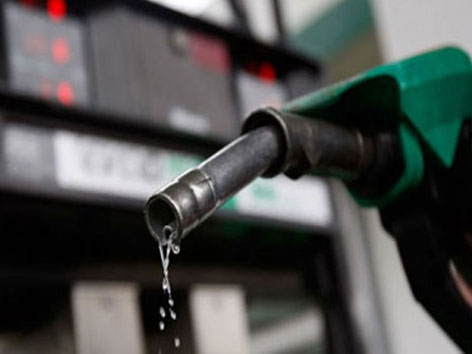
Fuel prices are the main culprit. Petrol costs climbed nearly 18% in April while high-speed diesel surged more than 50%, the report said. The domestic increases come after crude oil prices pushed above $100 a barrel on global markets, driven by disruptions linked to war involving Iran, the United States and Israel. “On a MoM basis, inflation for Apr 2026 is projected at +2.65 percent, primarily driven by a 22.5 percent MoM increase in the transport segment, following a sharp surge in international oil prices,” Topline Securities said in the report.
Housing and utilities are also set to add to the headline figure. Liquefied petroleum gas prices have risen sharply, while electricity tariffs are edging higher because of higher fuel costs and quarterly adjustments, the brokerage noted.
Food inflation, by contrast, is expected to provide some relief. Declines in wheat and fresh fruit prices are likely to offset increases in vegetables and poultry, helping to mute the overall rise. Even so, analysts at Topline warned that the fuel- and energy-driven pickup risks reversing the disinflationary momentum seen since late 2024. Higher transport and utility costs are expected to weigh on household purchasing power at a time when real wages remain under strain.
The report also flagged a potential policy complication: if April inflation prints in the projected range, Pakistan’s real interest rates would turn negative again for the first time in more than two years. That shift could complicate the State Bank of Pakistan’s efforts to anchor inflation expectations after it had finally brought the policy rate down from multi-year highs. Official data released on April 1 showed consumer-price inflation quickened to 7.3% year-on-year in March from 7% in February. The April show how quickly external shocks can upend Pakistan’s hard-won macroeconomic gains.
Copyright © 2021 Independent Pakistan | All rights reserved