By Staff Reporter
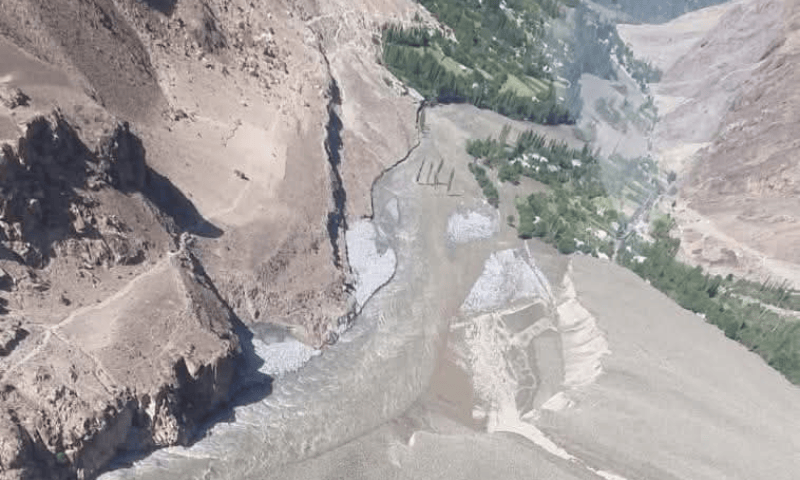
ISLAMABAD: Pakistan’s disaster management authority on Saturday warned of an acute risk of glacial lake outburst floods sweeping through the country’s mountainous north into the first week of July, directing provincial administrations to ready evacuation sites, place rescue teams on standby and restrict civilian movement near glaciers as an intense heatwave shows little sign of relenting.
The National Disaster Management Authority (NDMA) said temperatures across Gilgit-Baltistan and Khyber Pakhtunkhwa — two provinces that together encompass some of the world’s highest terrain — were expected to remain dangerously elevated through at least July 7, driving rapid snow and ice melt that is swelling rivers, expanding existing glacial lakes and spawning new ones.
“This significant warming will substantially accelerate snow and ice melt in the glaciated valleys of these regions,” the NDMA said in a formal alert. “Consequently, water levels in river streams are likely to remain high, existing glacial lakes may rapidly expand, and new glacial lakes are likely to form due to the high volume of melted water.”
The warnings from multiple federal and provincial agencies reflect mounting anxiety in Pakistan over the convergence of extreme heat and a landscape defined by glacial geography. The country harbours more glaciers than anywhere outside the polar regions — an estimated 7,000 — and scientists say rising temperatures are destabilising the ice and moraine dams that hold glacial lakes in check, increasing the likelihood of sudden, catastrophic releases of water.
Cascade of hazards
Saturday’s alerts painted a picture of interlocking dangers. The Pakistan Meteorological Department (PMD), which issued its own GLOF advisory late on Friday, warned that rapidly swelling glacial lakes could destabilise their natural containment, potentially sending walls of water, mud and debris down into populated valleys with little warning. The PMD also flagged a heightened risk of landslides and debris flows on steep mountain slopes where saturated soils and melting snow are eroding already fragile terrain.
The NDMA’s National Emergency Operations Centre separately issued a landslide alert covering Gilgit-Baltistan, upper Khyber Pakhtunkhwa and Azad Jammu and Kashmir running from June 27 to July 3, warning of rockfalls, debris flows and road blockages across the region.
Temporary closure of the Karakoram Highway — the arterial link connecting Pakistan to China — as well as the Jaglot-Skardu Road and adjoining routes was expected during the same period, the NDMA said. Both corridors are lifelines for communities in the north and key arteries for commercial traffic.
“Exercise special caution while travelling on mountain streams, valleys and slopes adjacent to glaciers,” the NDMA said, urging the public to avoid unnecessary travel as landslides could temporarily cut road, electricity and communications links.
Orders to provincial authorities
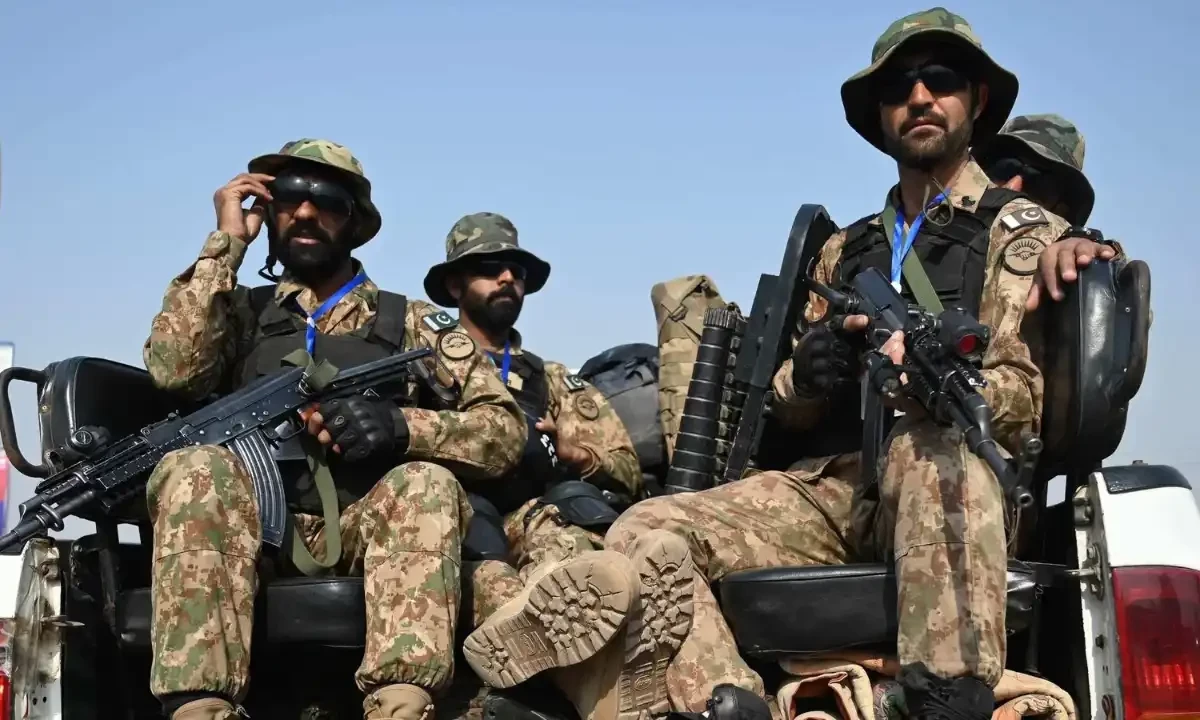
The NDMA directed provincial disaster management authorities to prepare for emergency situations and ensure the timely availability of heavy machinery and resources needed for road clearance and rescue operations. It ordered Provincial Disaster Management Authorities to brief their district counterparts and activate response chains in vulnerable communities.
In Khyber Pakhtunkhwa, the provincial disaster management authority moved quickly, issuing directives to deputy commissioners in Upper and Lower Chitral, Dir Upper, Swat, Upper and Lower Kohistan and Mansehra. Officials were told to begin proactive monitoring and surveillance of glacial lake sites, conduct evacuation drills in communities assessed to be at risk and ensure that designated evacuation sites were fully stocked and operational.
Local administrations were further instructed to warn residents in low-lying and riverside areas, run mass awareness campaigns on GLOF hazards and advise tourists against travelling to at-risk zones while the alert remains in force.
Authorities were also directed to coordinate with the National Highways Authority, the Frontier Works Organisation and provincial public works departments to allow rapid restoration of roads and bridges in the event of damage.
The NDMA urged residents near rivers and streams to watch for warning signs that often precede a GLOF: sudden changes in the colour of water, unusual grinding or rumbling sounds from moving rocks and debris, and unexpectedly rapid rises in water levels.
It told tourists to avoid trekking in glacier-prone areas and to refrain from approaching glacier sites, warning that proximity to unstable ice formations posed a direct physical risk.
Scale of vulnerability
Earlier this month, Pakistan’s Space and Upper Atmosphere Research Commission (Suparco) identified 130 glacial lakes as potentially dangerous, flagging each as a source of possible downstream flooding for settled communities below.
The alerts come against a backdrop of worsening climate pressures on one of the world’s most geographically exposed nations. Pakistan contributes less than one percent of global greenhouse gas emissions yet consistently ranks among the countries most vulnerable to the consequences of climate change, facing a combination of intensifying heatwaves, erratic monsoons, prolonged droughts and accelerating glacial melt.
The scale of what unchecked weather extremes can do to the country was laid bare in 2022, when catastrophic floods — fed by a punishing monsoon season amplified by climate conditions — submerged a third of Pakistan’s landmass, killed more than 1,700 people and displaced or otherwise affected roughly 33 million.
Officials say climate change is making such disasters more frequent and more severe, compressing the cycle between extreme events and leaving communities with less time to recover.
In a separate measure tied to the current heatwave, the Khyber Pakhtunkhwa health department has directed hospitals across the province to establish dedicated emergency units for the treatment of heatstroke cases as temperatures continue to rise. Residents and tourists can access hazard guidance and safety advisories through the NDMA’s “Pak NDMA Disaster Alert” mobile application.
Copyright © 2021 Independent Pakistan | All rights reserved