By Staff Reporter
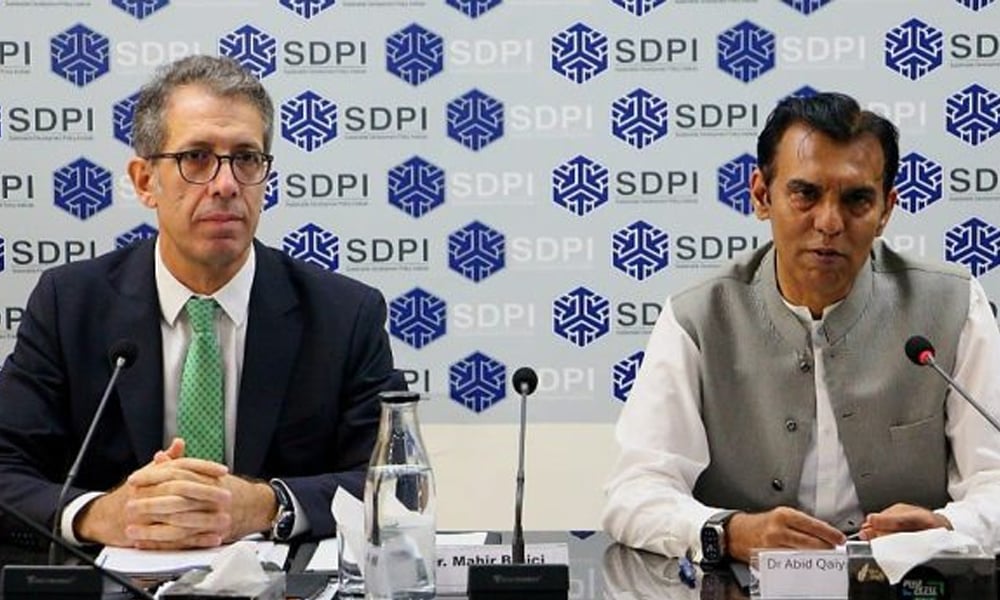
ISLAMABAD: Pakistan’s efforts to stabilize its economy under a $7 billion International Monetary Fund loan program have won praise from the IMF’s country representative, Mahir Binici, who called the nation’s performance “strong so far,” a statement from the Islamabad-based Sustainable Development Policy Institute (SDPI) said.
Binici’s comments, delivered during a guest lecture at the think tank on Sunday, signal growing confidence in Pakistan’s economic turnaround as it navigates a fragile recovery and persistent global headwinds.
Pakistan teetered on the edge of a sovereign default in mid-2023 before a $3 billion IMF facility provided a critical lifeline. That short-term arrangement paved the way for the current 37-month, $7 billion program, secured in September last year after Islamabad met key targets.
Binici pointed to the successful completion of the program’s first review by the IMF executive board in May 2025 as a “key milestone,” underscoring the progress made in a short time.
“Early policy measures have helped restore macroeconomic stability and rebuild investor confidence, despite persistent external challenges,” Binici said, as quoted by the SDPI. Yet he struck a cautious note, warning that “elevated trade tensions, geopolitical fragmentation, and weakening global cooperation continue to generate exceptional uncertainty and weigh on the global economic outlook.” For Pakistan, he stressed, prudent and forward-looking policies remain essential to stay the course.
Despite the challenges, Binici offered an optimistic outlook. “Growth across the Middle East, North Africa (MENA) region, and Pakistan is expected to strengthen in 2025 and beyond,” he said. The IMF, he added, remains firmly behind Pakistan’s efforts to overhaul its economy and tackle climate-related vulnerabilities.
Structural reforms sit at the heart of that agenda. “Structural reforms remain central to Pakistan’s long-term economic sustainability, particularly reforms that strengthen tax equity, improve the business climate, and encourage private-sector-led investment,” Binici said. The comments reflect the IMF’s push for deep, lasting changes to shore up Pakistan’s fiscal health and attract capital.
In March, Pakistan tapped into a $1.3 billion IMF Resilience and Sustainability Facility (RSF) aimed at bolstering defenses against climate disasters. Binici described the RSF as a tool to help countries like Pakistan “bolster resilience to climate-related vulnerabilities and meet international climate commitments.”
Key priorities under the facility include better public investment planning, sustainable water use, stronger disaster preparedness, and greater transparency in climate data. “Support through the RSF will not only strengthen Pakistan’s climate resilience but also help unlock green investments and foster a more climate-conscious economic trajectory,” Binici said. The move aligns with global efforts to tie economic aid to environmental goals, a growing priority for Pakistan as it grapples with floods and other climate shocks.
Binici’s remarks followed a spirited defense of Pakistan’s reform push by Prime Minister Shehbaz Sharif, who last week laid out his government’s case at a session of the Uraan Pakistan youth development program. Sharif acknowledged the “onerous task” of stabilizing the economy under intense pressure, saying tough and often unpopular decisions were unavoidable. “Pakistan had to undertake these long-overdue, deep structural changes, if we had to find our lost place in the comity of nations through hard and untiring efforts,” he said.
Sharif pointed to early wins, including a shift from paper-based tax systems to digital and AI-driven processes that he said was already paying off. He also highlighted a crackdown on corruption, noting his administration had removed senior revenue officials despite political pushback. “It’s a long and thorny journey,” Sharif admitted. “We are facing bumps on the way and mountain-like impediments. But I can assure you, we will not shy away from discharging our responsibility.”
Merit, he vowed, would remain the bedrock of his governance model—a signal of his intent to stick with reforms even as resistance mounts.
Copyright © 2021 Independent Pakistan | All rights reserved