By Staff Reporter
KARACHI: Pakistan’s annual inflation rate is expected to moderate slightly in June, as falling global oil prices following a partial reopening of the Strait of Hormuz offset persistent increases in food costs, according to forecasts from two of the country’s leading brokerages released this week.
Ismail Iqbal Securities projected headline inflation would ease to 11.5% year-on-year in June, down marginally from 11.7% in May, while Insight Securities forecast a steeper easing to 11.2%. Both estimates mark a sharp acceleration from the 3.2% inflation rate recorded in June last year, though the comparison is heavily distorted by base effects from a period of unusually low prices.
The official Consumer Price Index reading is due from the Pakistan Bureau of Statistics in the coming days.
Pakistan, which imports the bulk of its fuel needs, has been closely watching developments in the Middle East after a US-Iran conflict raised fears of disruption to oil shipments through the Strait of Hormuz, one of the world’s busiest energy corridors. Tensions eased this month following a Pakistan-mediated diplomatic effort that produced the Islamabad Memorandum of Understanding between Washington and Tehran.
“Oil prices have retreated sharply following the partial reopening of Strait of Hormuz and signing of MoU between US and Iran,” Insight Securities said in its report. “While the risk of a conflict has not completely dissipated, ongoing military exchanges suggest that the likelihood of a prolonged escalation has subsided to a large extent.”
TRANSPORT COSTS PULL BACK
The retreat in crude prices is feeding directly into Pakistan’s transport costs, the largest single driver of the expected slowdown. Ismail Iqbal Securities forecast the transport index would fall 4.9% month-on-month, shaving roughly 0.3 percentage points off headline inflation, with the motor fuel index alone projected to drop 9.2% as global crude prices retreated.
On a monthly basis, the brokerage expects the CPI to rise just 0.1% in June, a sharp slowdown from the 0.52% increase recorded in May. Insight Securities was more bearish still, forecasting a 0.2% month-on-month decline, citing lower fuel prices and reduced electricity charges.
The housing index is expected to ease 0.5% following a 5.7% drop in the electricity index after the latest quarterly tariff adjustment, Ismail Iqbal Securities said.
FOOD PRICES STAY STUBBORN
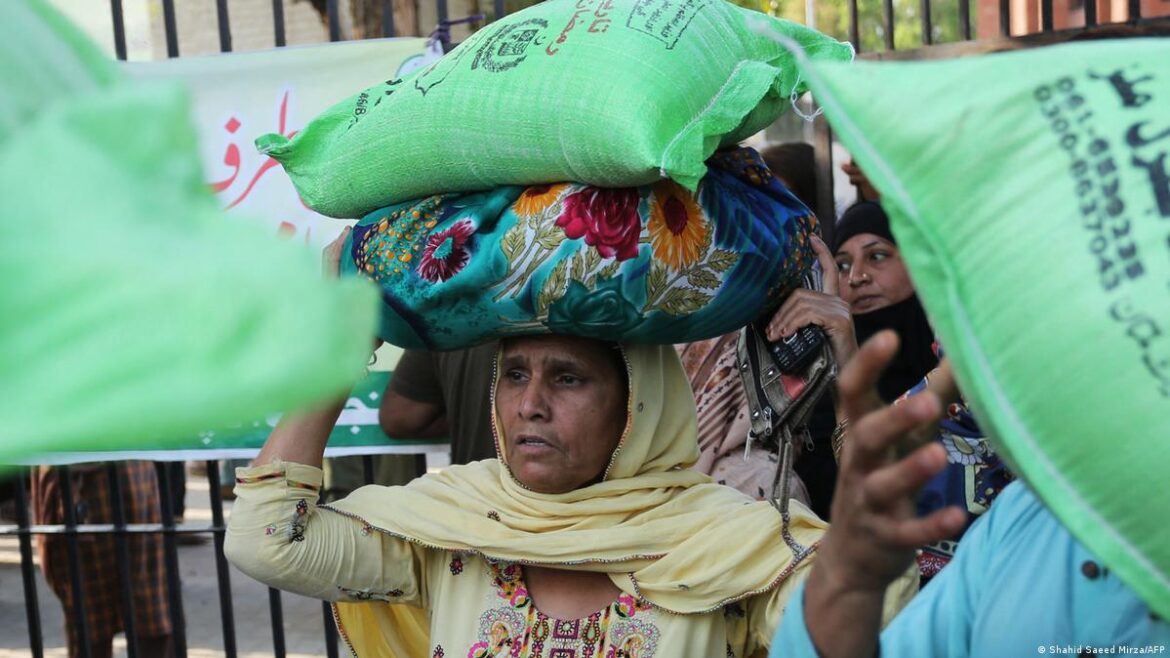
Food costs are proving more resistant to the broader disinflationary trend. Ismail Iqbal Securities projected the food index would climb 1.0% month-on-month, driven by higher prices for wheat and wheat products, potatoes and onions, along with a seasonal 61.1% jump in tomato prices. Insight Securities put the food price increase at a more modest 0.5%, attributing it to elevated prices of perishable items.
Within the weekly Sensitive Price Indicator basket tracked by Insight Securities, tomatoes, potatoes and onions posted significant increases, while chicken, fresh vegetables, motor fuel, eggs and pulse moong became cheaper during the month. Ismail Iqbal Securities likewise pointed to a 17.7% decline in chicken prices as a partial offset to rising staple costs.
CORE INFLATION THE BIGGER WORRY
Even as headline figures soften, analysts flagged core inflation as a more durable concern. Ismail Iqbal Securities said non-food, non-energy core inflation rose to 8.8% year-on-year in May from 8.2% in April and was projected to edge up further to 8.9% in June, compared with 7.6% a year earlier. Insight Securities put core inflation at roughly 9.7% for urban consumers and 8.8% for rural baskets.
“June’s relief stems almost entirely from volatile fuel and perishable food components, while underlying inflationary pressures remain intact,” Ismail Iqbal Securities said, adding that second-round effects from earlier energy price shocks continue to feed into transport and production costs. The brokerage said this would likely keep inflation only gradually returning toward the State Bank of Pakistan’s medium-term target range of 5-7%.
Insight Securities projected average inflation for the 2025-26 fiscal year at around 7.0%, up from 4.6% in the previous fiscal year, with the fading of favourable base effects expected to support the outlook from August onward.
RATE OUTLOOK
Against this backdrop, Ismail Iqbal Securities said the central bank’s Monetary Policy Committee was justified in holding its benchmark rate unchanged at 11.5% earlier this month, balancing the return of double-digit headline inflation against moderating economic activity and contained pressure on the external account.
The brokerage pointed to improving conditions in the secondary debt market as a sign of shifting expectations, noting that yields on three-month, six-month and 12-month government paper fell 31, 75 and 90 basis points respectively during the month, while five-year and 10-year yields declined 61 and 55 basis points.
Ismail Iqbal Securities expects the policy rate to remain on hold in the near term, with room for monetary easing potentially reopening later in the 2026-27 fiscal year as base effects fade and inflation eases further, though the timing will hinge on Pakistan’s external account position.
Insight Securities said the pace and scale of any future rate cuts would also depend on the global macroeconomic environment, the policy stance of major central banks, and weather-related risks facing Pakistan’s agricultural sector.
Both brokerages cautioned that the principal risk to the outlook is a renewed flare-up of tensions in the Middle East, which could send oil prices climbing again, strain Pakistan’s current account and the rupee, and force the central bank to hold its policy rate steady for longer than currently anticipated.
Copyright © 2021 Independent Pakistan | All rights reserved