By Staff Reporter
ISLAMABAD: Iran has proposed reopening the Strait of Hormuz and formalising a ceasefire with the United States before any negotiations on its nuclear program begin, according to a senior US official and two sources familiar with the discussions quoted by Axios.
The offer, conveyed to the White House through Pakistani intermediaries, marks a notable shift in Tehran’s approach to the deepening impasse. Rather than trying to resolve the nuclear standoff and the closure of the vital shipping lane at the same time, Iranian officials are now urging that the two issues be handled sequentially — with the immediate reopening of the strait and the lifting of the US naval blockade coming first.
The proposal is intended in part to sidestep sharp divisions inside Iran’s leadership over how far the country is prepared to go to meet American demands for a permanent suspension of uranium enrichment and the removal of its stockpile of enriched uranium. Those internal rifts have repeatedly complicated earlier rounds of indirect talks. The prospects for the Iranian initiative appear limited. President Donald Trump made clear in a Fox News interview broadcast Sunday that he has no intention of easing the naval blockade, which he regards as Washington’s strongest point of leverage. He warned that Iran’s oil infrastructure could face “internal collapse” within days if exports remain blocked much longer, and that any resulting damage would be “permanent and irreversible.”
That stance suggests the White House sees little reason to relinquish pressure before securing concrete nuclear concessions. Trump also cancelled a planned trip to Islamabad by his envoys Steve Witkoff and Jared Kushner after Iranian Foreign Minister Abbas Araghchi’s weekend visit to Pakistan produced no visible progress. “If they want, we can talk, but we’re not sending people,” Trump told Fox News, adding that Iran could simply call if it wished to engage.
Araghchi’s diplomatic itinerary nevertheless continued at a rapid pace. After meetings in Islamabad, he travelled to Muscat for talks with Omani officials focused on the Strait of Hormuz, then returned briefly to the Pakistani capital before flying early Monday to St. Petersburg for discussions with Russian President Vladimir Putin. Iranian state media described the Moscow visit as part of Tehran’s effort to build broader international backing as the economic pain from the blockade intensifies.
Over the weekend, Araghchi also briefed counterparts from Egypt, Turkey and Qatar on Iran’s position, according to multiple accounts. In those conversations, he made clear that no internal consensus exists in Tehran on the nuclear question — an unusually candid admission that any agreement touching on enrichment would almost certainly encounter resistance from hardline factions regardless of what Iranian negotiators might accept at the table.
The White House declined to discuss the substance of the new proposal. Spokesperson Olivia Wales said the administration would not negotiate through the press and would accept only a deal that “permanently prevents Iran from acquiring a nuclear weapon.”
The Iranian suggestion to decouple the Hormuz crisis from the nuclear file carries immediate implications for global energy markets. Reopening the Strait without a nuclear settlement would ease the most acute supply disruption now driving oil prices higher. Yet Trump’s insistence on keeping the blockade in place indicates the administration is unlikely to surrender its primary source of pressure prematurely.
The latest diplomatic flurry follows indirect talks held in Islamabad on April 11-12 that failed to produce an agreement. Those discussions came after Pakistan helped broker a two-week ceasefire on April 8, which Trump later extended indefinitely. A permanent settlement to the conflict — which began with joint US-Israeli strikes on Feb. 28 and has killed thousands — remains elusive.
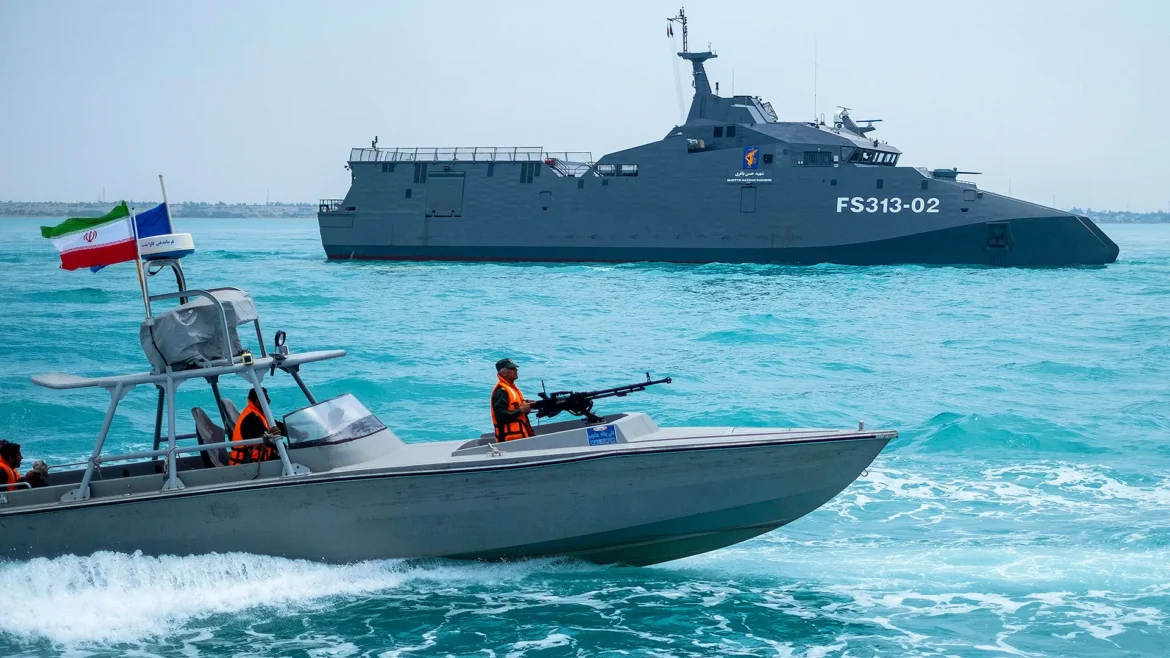
The economic shock waves continue to spread. Iran has effectively sealed the Strait of Hormuz, through which roughly one-fifth of global seaborne oil and natural gas trade passes. The United States has responded with a blockade of Iranian ports. The combined restrictions have stranded tankers, disrupted shipments of liquefied natural gas and fertiliser, and sent oil prices climbing.
On Sunday, West Texas Intermediate crude was trading at $96.50 a barrel, up 2 percent from Friday’s close and 44 percent higher than before the war began, when it stood at about $67. Brent crude, the international benchmark, reached $107.75 a barrel, up 3 percent since Friday and 48 percent since the conflict started.
Iran’s Islamic Revolutionary Guard Corps has stated repeatedly that it has no intention of lifting its control of the strait, describing the closure as a “definitive strategy” to maintain deterrent pressure on Washington and its regional partners. On Saturday the Guard warned of a possible “hellish storm” in response to any further US “aggression.”
Trump, for his part, ordered US forces last week to “shoot and kill” small boats suspected of laying mines in the waterway. On Saturday, he told reporters that within minutes of cancelling the envoys’ trip to Pakistan, Iran had sent what he described as a “much better” proposal, though he offered no details beyond reiterating that Iran “will not have a nuclear weapon.”
The status of Iran’s nuclear program remains a central sticking point. According to the UN nuclear watchdog, Tehran holds 440 kilograms of uranium enriched to 60 percent purity — a short technical step from weapons-grade material.
Araghchi’s travels underscored the multiplicity of mediators now involved. In Muscat he pressed Oman to support a mechanism for collecting tolls from vessels transiting the strait, according to a regional official involved in the talks who spoke on condition of anonymity. Oman’s response was not immediately clear. He also held phone conversations with officials in Qatar, Saudi Arabia, Turkey and Egypt.
Pakistan’s leadership, which has invested significant political capital in the mediation effort, expressed continued commitment even after the cancellation of the US envoys’ visit. Two Pakistani officials, speaking anonymously because they were not authorised to discuss the matter publicly, said indirect talks remained under way.
Copyright © 2021 Independent Pakistan | All rights reserved