By Staff Reporter
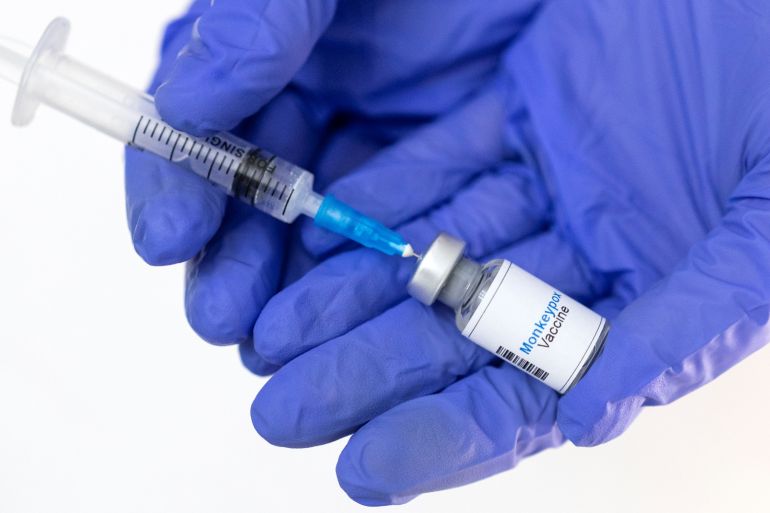
ISLAMABAD: Pakistan’s Ministry of National Health Services (NHS) said on Wednesday there was no evidence of localised transmission of monkeypox, a day after the country reported its first case of the viral zoonotic disease.
The patient, a resident of Mandi Bahauddin who had been working as a driver in Jeddah, was deported from Saudi Arabia and arrived in the country on April 17 with symptoms of the disease and was isolated at the Pakistan Institute of Medical Sciences (Pims) hospital along with others who are being investigated.
Symptoms of the disease include a rash, fever, sore throat, headache, muscle aches, back pain, low energy, and swollen lymph nodes. The World Health Organization (WHO) states that symptoms usually begin within a week but can start 1-21 days after exposure.
The NHS said a total of 22 samples from suspected cases were referred from different parts of Pakistan since May 2022 for polymerase chain reaction tests.
“The first case of monkeypox was confirmed by NIH from travellers who arrived recently in Pakistan,” NHS said in statement. “As there is no evidence of localised transmission of monkeypox in Pakistan at present, the risk of international spread of disease from Pakistan remains low.”
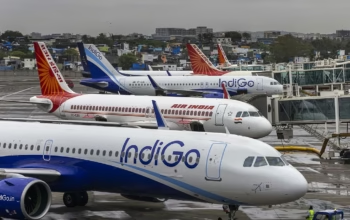
Advisories have been issued to enhance the screening of inbound passengers at all international airports, with the NHS, provincial health departments, and Border Health Services at all airports being advised to ensure surveillance through laboratory diagnostics, contact tracing, rapid identification of suspected cases and clusters “of infections as well as the source of infection.
The aim is to provide optimal clinical care, isolate cases to prevent further transmission, identify, manage, and follow-up contacts to recognise early signs of infection, identify risk groups for infection and for severe disease, protect frontline health workers, and tailor effective control and prevention measures.”
The Civil Aviation Authority (CAA) has issued guidelines for all airports across the country considering the guidelines issued by the BHS.
A CAA spokesman said the managers of all international airports were holding regular meetings with other agencies to make measures for preventing and controlling the disease as effective as possible.
“In the event of a suspected monkeypox passenger on a flight, the passenger will not use the normal route to exit the airport. The airline will carry out the passenger’s immigration while undertaking precautionary measures, including wearing gloves and masks. The BHS and airline staff will then transport the patient to the hospital in an ambulance.”
In case of a high number of suspected or confirmed cases, the airline will be responsible for transferring the patients to quarantine facilities while BHS will provide support. Any suspected or confirmed cases should be moved to the back of the plane and should be seated with an empty seat between them. Ground handling agencies provide masks and gloves to wheelchair handlers. Baggage handlers disinfect luggage as it arrives through fumigation.
The luggage area, medical inspection area, Federal Investigation Agency counters, corridors, escalators, and all adjoining areas are being sprayed with disinfectant.
BHS is already present at the airports and will soon be deployed in cargo areas. Porters will be wearing gloves and masks while trolleys are being washed regularly with soap and water.
The BHS and CAA are ensuring the disinfection of staff lifts and handrails, and the authority is closely monitoring the disposal of aircraft waste under pre-defined standard operating procedures.
Copyright © 2021 Independent Pakistan | All rights reserved