By Staff Reporter
ISLAMABAD: Pakistan’s inflation accelerated to its fastest pace in nearly two years last month, erasing much of the disinflation progress the country had achieved and casting a shadow over prospects for further interest-rate cuts.
Consumer prices rose 11.7% in May from a year earlier, up sharply from 10.9% in April and well above the 3.5% recorded in May 2025, according to data released Monday by the Pakistan Bureau of Statistics. The reading marks the highest headline inflation since June 2024, brokerage Arif Habib Limited noted.
On a monthly basis, the CPI rose 0.5% in May, a marked deceleration from April’s 2.5% monthly gain but a reversal from the 0.2% monthly decline recorded a year ago — a sign that base effects, which had suppressed headline figures through much of fiscal 2025, are now working firmly in reverse.
Analysts said the headline inflation climbed on a sharp rise in global oil and gas prices stemming from the Iran conflict sent energy import costs spiraling.
The acceleration was broad-based. Urban inflation climbed 11.8% year-on-year in May, up from 11.1% in April, while rural inflation rose 11.5%, accelerating from 10.6% the prior month. The Sensitive Price Indicator, which tracks prices of essential commodities on a weekly basis and is closely watched as a leading gauge of food-price pressures, jumped 12.0% year-on-year — more than double April’s 10.1% reading and a dramatic swing from the 0.6% annual decline recorded in May 2025.
Fuel prices delivered some of the most dramatic increases. Jet fuel costs soared 94% from May last year, diesel jumped 70% and motor gasoline surged 62%.
Among food items, sorghum and wheat posted the steepest annual gains, contributing to the overall spike. The surge reflects what officials and traders describe as the worst supply disruption in memory for Asian economies heavily dependent on Middle Eastern oil and gas. Pakistan, which imports the bulk of its energy needs, has been particularly exposed, facing a confluence of higher import bills, an intensifying domestic energy crisis and frequent blackouts.
For years, Pakistan has depended on term supplies of liquefied natural gas from Qatar to run its power plants and meet industrial demand. Those cargoes have effectively stopped flowing after the conflict in the Middle East and the subsequent closure of the Strait of Hormuz forced a shutdown of Qatari LNG production and exports.
The halt has triggered fuel prices increase, extended power outages and forced authorities into emergency measures to keep the lights on. The energy squeeze has compounded an already difficult inflation fight for policymakers in Islamabad. Pakistan, which has been quietly mediating talks between the US and Iran in recent weeks, is simultaneously negotiating with Qatari authorities to reroute LNG cargoes out of the Persian Gulf. In a rare bright spot, two vessels carrying Qatari LNG have reached Pakistani ports in recent weeks after successfully navigating the Strait of Hormuz under a bilateral agreement with Iran.
The arrivals offer temporary relief but fall far short of the volumes needed to ease the broader crisis. Traders and energy officials caution that any sustained reopening of Qatari flows or alternative supply routes will depend on de-escalation in the Gulf — an uncertain prospect as tensions remain elevated.
The data compound a difficult moment for policymakers. The State Bank of Pakistan delivered a surprise 100-basis-point rate increase in April, lifting its benchmark policy rate to 11.50% — its first tightening move in almost three years — after inflation began reaccelerating from multi-year lows. That decision signaled a sharp pivot from an easing cycle that had taken rates down significantly from the 22% peak reached during Pakistan’s 2023 balance-of-payments crisis.
For the first eleven months of the current fiscal year, average inflation stands at 6.69%, up from 4.61% over the same period a year earlier — a trajectory that suggests the full-year average will land well above initial government projections and could influence the SBP’s posture at its next monetary policy meeting.
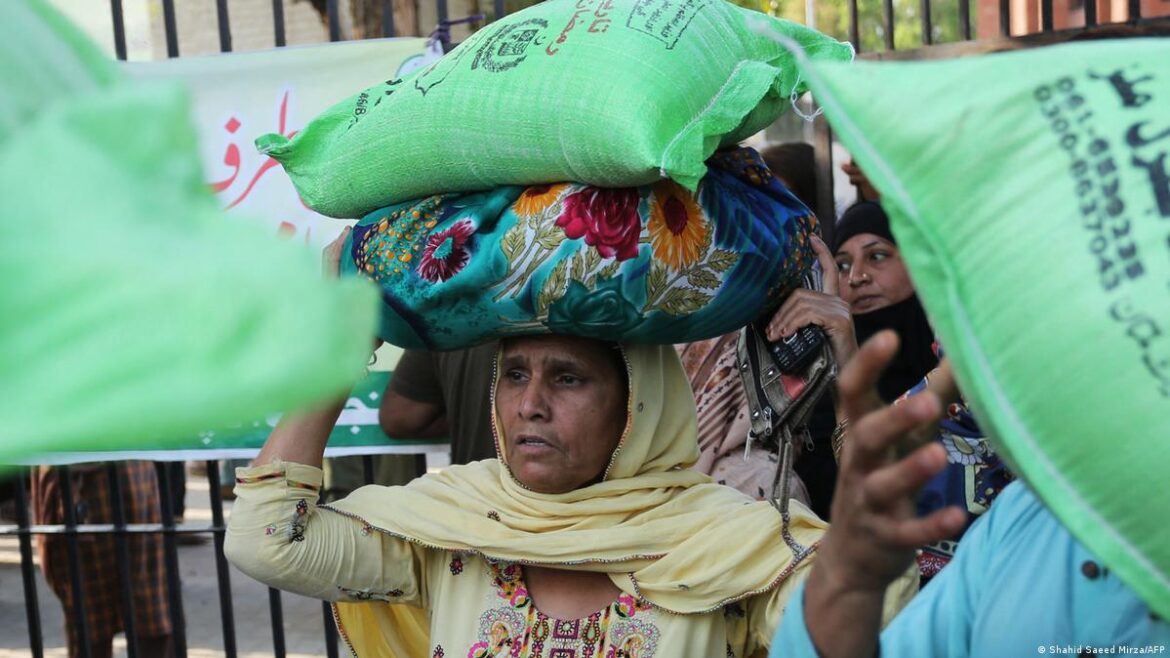
The deterioration in price trends comes as Pakistan navigates a fragile economic recovery underpinned by a $7 billion International Monetary Fund program. While foreign reserves have stabilized and the rupee has held relatively steady, the renewed inflation impulse risks complicating fiscal consolidation efforts and squeezing household purchasing power in an economy where food expenditure accounts for a disproportionate share of consumer budgets.
The inflation print lands as Pakistan’s central bank continues to weigh its next policy move, with headline prices now moving further away from the central bank’s comfort zone and core pressures showing fresh acceleration. Economists will be watching whether the latest numbers force a more aggressive response on rates even as growth concerns linger. For now, Pakistani households and businesses are bearing the brunt, with higher pump prices rippling through transport, manufacturing and everyday costs in an economy where energy remains the single biggest imported vulnerability.
Copyright © 2021 Independent Pakistan | All rights reserved