By Staff Reporter
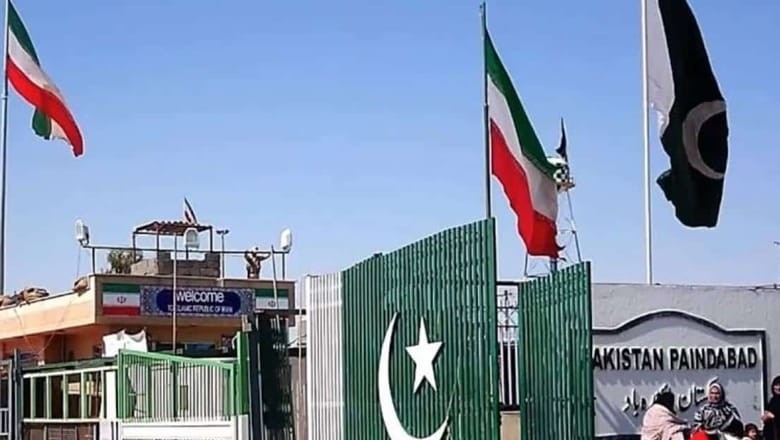
ISLAMABAD: Pakistan has barred pilgrims from traveling by road to Iran and Iraq for the Arbaeen pilgrimage, citing heightened security risks, and has mandated air travel instead for the annual religious commemoration, Interior Minister Mohsin Naqvi said on Sunday.
The decision affects hundreds of thousands of Pakistani Shia Muslims who undertake the journey each year to mark Arbaeen, the 40th day of mourning for Imam Husain, the grandson of the Prophet Muhammad, who was martyred at the Battle of Karbala in 680 A.D. The pilgrimage draws millions to Iraq’s holy city of Karbala, where Imam Husain and his brother Abbas are buried in two towering mausoleums facing each other. Last year, more than 21 million devotees participated, making it one of the world’s largest religious gatherings.
Naqvi said the policy shift was made after a meeting with Prime Minister Shehbaz Sharif. “After extensive consultations with the Ministry of Foreign Affairs, [the] Balochistan Government, and security agencies, it has been decided that zaireen (pilgrims) will not be allowed to travel to Iraq and Iran by road for Arbaeen this year,” the minister said said on X. “This difficult decision has been made in the interest of public safety and national security.”
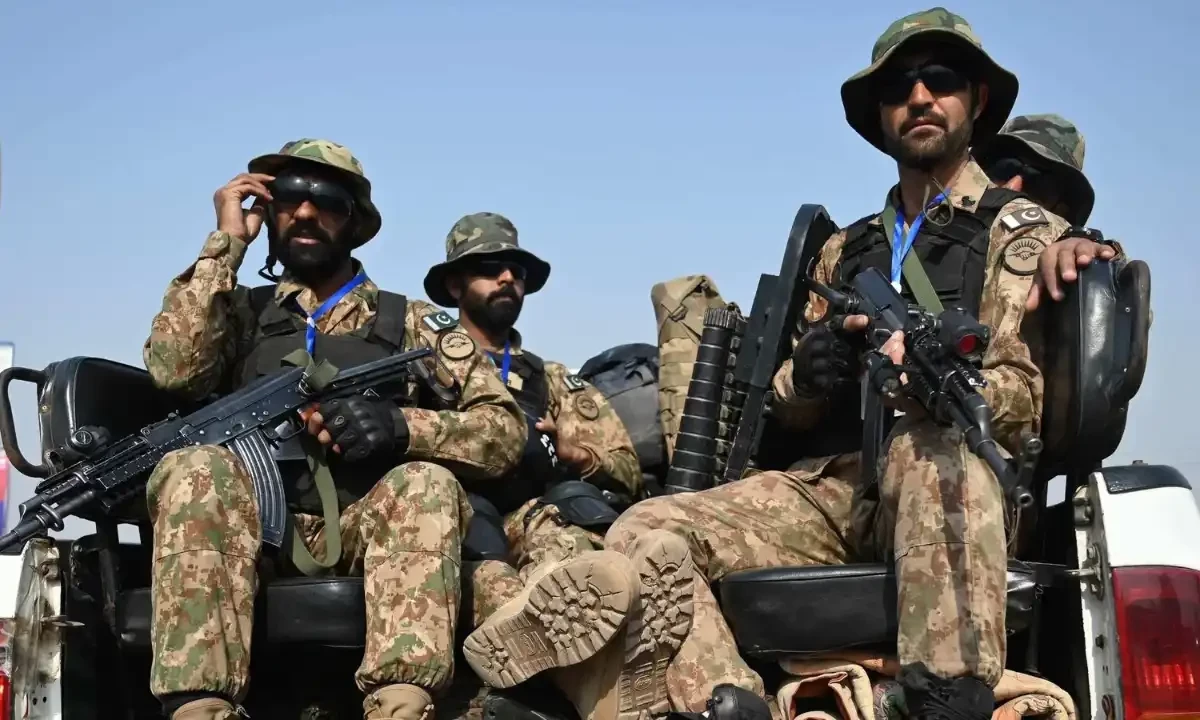
Pakistan has seen a sharp rise in terror incidents since 2021, particularly in the provinces of Khyber Pakhtunkhwa and Balochistan, which border Iran and Afghanistan. These security challenges appear to have driven the government’s move to restrict road travel for the roughly 700,000 Pakistani pilgrims who typically join the Arbaeen observance.
While the land route is now off-limits, Naqvi assured pilgrims they could still travel by air. “Prime Minister Shehbaz Sharif has directed authorities to arrange maximum flights to facilitate their pilgrimage in the coming days,” he said. The state-run Associated Press of Pakistan (APP) reported that Sharif also instructed Aviation Minister Khawaja Asif to organize special flights for the pilgrims.
Pakistan International Airlines (PIA) quickly responded, announcing four special flights departing from Karachi between August 8 and 11, with return flights from Najaf scheduled between August 18 and 21. “Ticket sales for all flights have begun,” a PIA spokesperson said, adding that additional flights would be scheduled based on demand.
The shift to air travel builds on a May agreement between Pakistan and Iran to bolster cooperation for religious pilgrims. That deal included keeping their shared border open 24 hours a day during the Islamic months of Muharram and Safar, which encompass Arbaeen, and increasing flight options. Tehran also pledged to provide accommodation and meals for 5,000 Pakistani pilgrims in Mashhad during the peak season. Sunday’s announcement, however, prioritizes security over the earlier border access plan.
Pakistan is preparing to overhaul its pilgrimage management. Starting January 1, 2026, a new system will require pilgrims to travel solely under registered organizers, replacing the traditional Salar System, which relied on informal group leaders. The overhaul aims to streamline logistics and enhance oversight. As part of these changes, weekly flights to Iran will rise from six to 15, and 107 additional special flights will be arranged for pilgrims heading to Iraq.
The government’s focus on security and organization comes amid efforts to correct past misunderstandings. Earlier this month, Minister for Religious Affairs Sardar Muhammad Yousuf retracted a claim that 40,000 pilgrims had not returned from trips to Iran and Iraq. He clarified that the figure stemmed from a “misunderstanding” of outdated paper records not yet digitized.
Copyright © 2021 Independent Pakistan | All rights reserved