By Staff Reporter
ISLAMABAD The government on Sunday diverted 125 billion rupees from savings and development budgets to block any increase in oil prices, protecting consumers from the immediate fallout of the regional war that has driven global crude to two-year highs.
The allocation was announced in a statement from the Prime Minister’s Office following a review meeting chaired by Prime Minister Shehbaz Sharif. The session examined the implementation of fuel-conservation and resource-efficiency steps taken in response to the escalating US-Israel and Iran conflict.
Deputy Prime Minister and Foreign Minister Muhammad Ishaq Dar joined via video link, along with federal ministers Ahad Khan Cheema, Muhammad Aurangzeb, Ali Pervaiz Malik, Ataullah Tarar, Dr. Musadiq Malik, Ahsan Iqbal, Shaza Fatima Khawaja and Owais Khan Laghari, Special Assistant Tariq Bajwa, State Bank Governor Jameel Ahmad and other senior officials.
Shehbaz told the meeting that government decisions had secured enough petroleum products to meet the country’s essential requirements. Public relief, he said, remained the top priority, with maximum support extended over the past three weeks.
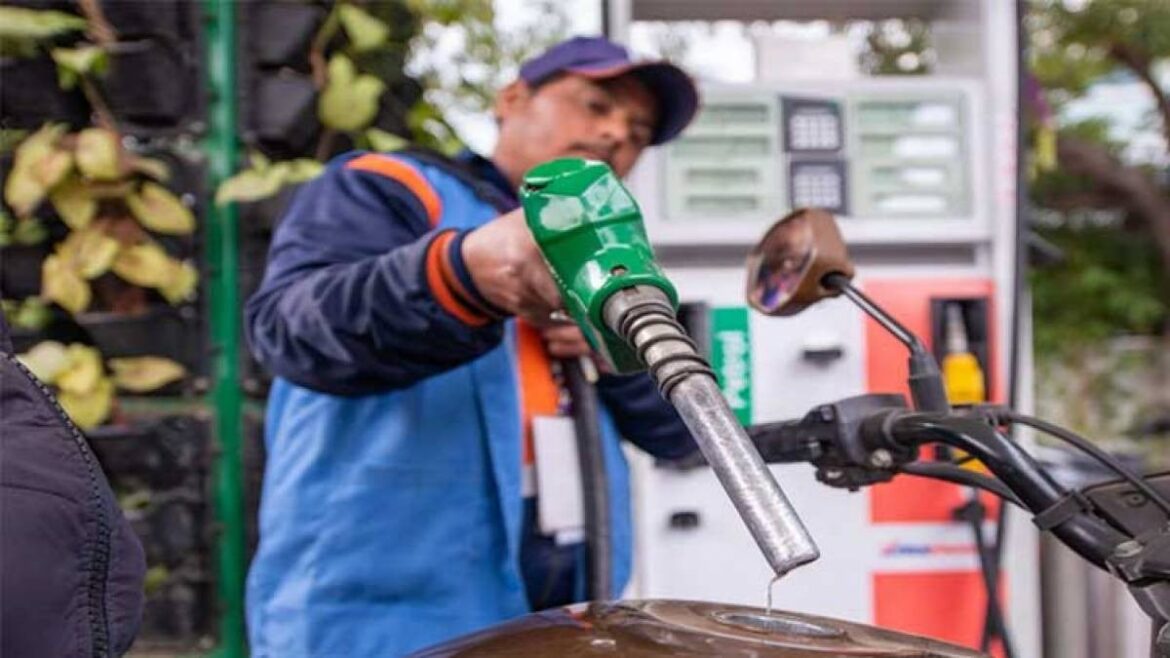
In a televised address to the nation on Friday, the prime minister spelled out the scale of the subsidy effort. Based on prevailing international prices, petrol should have been selling for Rs544 a liter in Pakistan, he said, yet consumers were paying only Rs322. High-speed diesel, which should have cost Rs790 a liter, was being supplied at Rs335. The government has already spent Rs69 billion to hold petrol prices down by Rs127 a liter and diesel by Rs252 a liter.
Participants at Sunday’s meeting urged citizens to back the conservation campaign by cutting unnecessary travel and using teleconferencing for office and workplace meetings. Shehbaz instructed provincial governments to help motorcycle and rickshaw owners register vehicles in their own names, a move that will digitize the national database and allow owners to qualify for future relief programs. He also directed federal authorities to keep close coordination with the chief secretaries of the four provinces as well as Azad Kashmir and Gilgit-Baltistan.
Officials told the meeting that supply and demand for petroleum products, together with the entire supply chain, were being monitored in real time through a newly developed digital dashboard. Arrangements for petrol imports in April have already been completed, the statement said.The briefing highlighted that, unlike many other countries, Pakistan had seen neither long queues nor mismanagement at fuel stations, crediting proactive planning.
A proposed fuel-support program for motorcycle and rickshaw operators was also discussed, centered on a dedicated mobile application to manage distribution. The government decided on Saturday to introduce an app-based subsidy system for low-income consumers as part of broader efforts to manage the energy crisis and conserve supplies. Subsidized petrol will be distributed through the digital platform using verified quotas for eligible users.
Earlier this month the government raised both diesel and petrol prices by Rs55 a liter — a 20 percent jump — citing the disruption to global supply chains caused by the conflict. Federal and provincial authorities have meanwhile imposed a series of austerity measures, including an additional weekly holiday, reduced free petrol quotas for ministers, curbs on protocol vehicles and proposals for subsidized fuel for students. Last week the government lifted the fuel levy on high-octane gasoline used in luxury vehicles by Rs200 a liter, taking the total levy to Rs300 and pushing the pump price to Rs600.
Copyright © 2021 Independent Pakistan | All rights reserved