By Staff Reporter
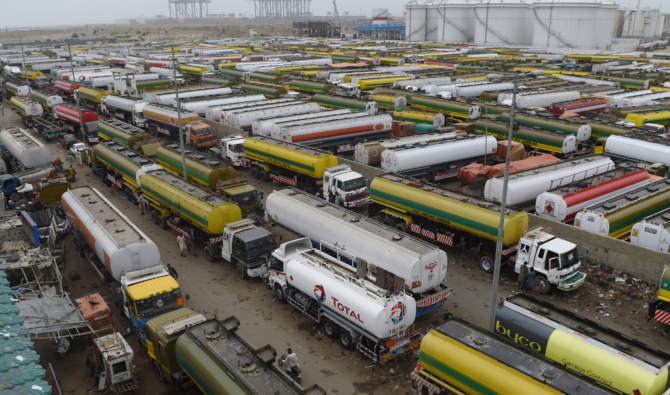
ISLAMABAD: Pakistan holds enough petroleum, oil and lubricants to meet domestic demand through the third week of June, the office of Deputy Prime Minister Ishaq Dar said on Monday, as supply chain strains from tensions in the Strait of Hormuz continue to weigh on the import-dependent South Asian economy.
The reassurance comes even as Iran maintains its grip on the narrow waterway — a critical chokepoint for global oil and cargo shipments — following the outbreak of conflict with the US and Israel on Feb. 28. A ceasefire has been in place since April 8, yet Tehran has kept the strait under effective control, while Washington imposed a counter-blockade on Iranian ports last month.
For Pakistan, which relies on imports for the bulk of its fuel needs, the fallout has been swift. Surging global oil prices have fed directly into higher inflation, elevated transport costs and broader pressure on an economy already grappling with fiscal strains.
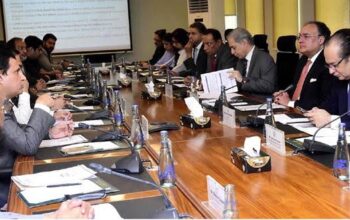
Dar chaired a high-level meeting on Monday to assess the country’s petroleum stocks and map out contingency measures for supply-chain resilience during the ongoing regional conflict. The Petroleum Ministry told the committee that, after accounting for shipments already en route, current inventories are adequate to ensure uninterrupted availability of fuel products nationwide until the third week of June, Dar’s office said in a statement.
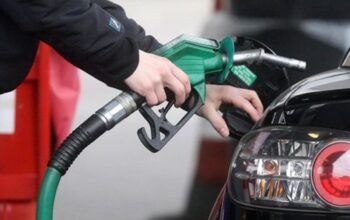
The government has moved on multiple fronts since the conflict erupted to manage the fallout. It has implemented repeated petroleum-price increases and introduced austerity steps aimed at conserving fuel. Most recently, on April 30, authorities lifted pump prices by Rs6.51 a liter for petrol and Rs19.39 a liter for diesel.
In a parallel effort to shield consumers and key sectors from the cost surge, Prime Minister Shehbaz Sharif on Monday approved a one-month extension of targeted subsidies first rolled out for motorcyclists and commercial transport operators. The support package includes a Rs100 per-liter subsidy for motorcyclists, capped at 20 liters a month. Freight-truck operators stand to receive as much as Rs70,000 a month, larger transport vehicles up to Rs80,000, and public passenger buses Rs100,000.
The measures reflect Islamabad’s attempt to balance fiscal discipline with political imperatives as fuel costs ripple through everything from daily commuting to freight movement and public transit.
Copyright © 2021 Independent Pakistan | All rights reserved