By Staff Reporter
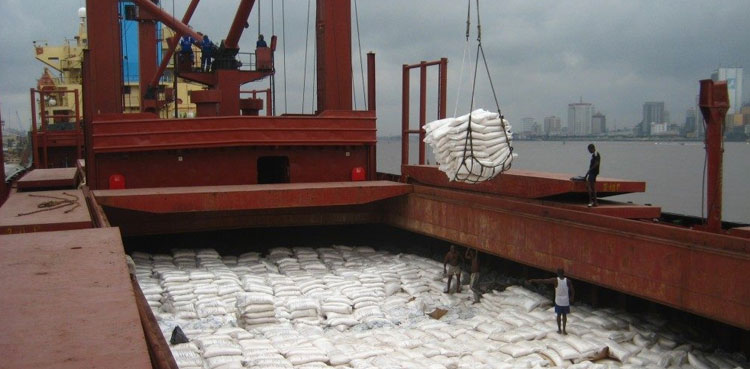
ISLAMABAD: Pakistan has placed an order for 200,000 metric tonnes of sugar from the international market to stabilize domestic prices and ease a deepening crisis fueled by shortages and soaring costs, government said on Saturday.
The Ministry of National Food Security confirmed that the first shipment is expected in early September, a move aimed at ensuring supply and curbing artificial price hikes.
The decision follows reports of severe sugar shortages in Lahore and Islamabad, while prices in Karachi, Peshawar, and Quetta have climbed to as high as Rs190 per kilogram, well above the government’s official cap of Rs173. In some areas, prices have reportedly hit Rs200, reflecting a persistent challenge in Pakistan’s sugar market often linked to hoarding and cartelization.
“The final order for sugar imports has been placed,” the Ministry of National Food Security said in a statement. “The purpose of the import is to ensure the availability of sugar in the market and maintain price stability.” The ministry said the procurement process is in its final stages after opening tenders, with the government securing a favorable discount through international negotiations to avoid straining the national budget.
Federal Minister for National Food Security and Research Rana Tanveer Hussain earlier this week chaired a high-level meeting with the Pakistan Sugar Mills Association (PSMA) and provincial stakeholders, warning of “strict oversight” of mill stocks to combat the crisis. The minister signaled tough measures to enforce compliance, as public frustration mounts over the rising cost of the staple commodity.
Prime Minister Shehbaz Sharif, addressing the situation two days ago, vowed that “anyone violating the agreed sugar prices would face strict action,” emphasizing that “no one would be allowed to exploit the public financially.” Under an agreement with the PSMA, the ex-mill price of sugar is set at Rs165 ($0.59) per kilogram, with the retail price not to exceed Rs173 ($0.62). Sharif issued firm directives to ensure the deal holds.
In a bold step to rein in prices and tackle hoarding, the government has reportedly seized 1.9 million tonnes of sugar from private mills and placed 18 sugar industry figures on the Exit Control List, barring them from leaving the country. The federal government reiterated its commitment to cracking down on market manipulators. However, the PSMA’s Punjab and Khyber Pakhtunk “‘hwa chapters denied any seizure of stocks, raising questions about the scope of the government’s actions.
The ministry said the imported sugar, due to arrive in early September 2025, will bolster local supply and help “keep prices balanced in the local market and directly benefit consumers.” Officials are banking on the influx to stabilize markets and curb inflationary pressures on a key household item.
Yet experts remain skeptical of the long-term impact. They said such imports are merely “reactive firefighting” and fail to address underlying issues in the sugar sector. “Addressing this challenge requires deep policy expertise and a commitment to serious, evidence-based reform,” an expert said. He called for structural changes, including boosting per-acre crop yields, deregulating the market, enforcing anti-cartel laws, and using digital tools to monitor supply chains.
“These are not quick fixes — they demand consistent, hard work,” expert added. “But after years of misaligned interventions through poorly timed exports and imports, one thing is clear: there is no easy solution, only the hard path of structural reform.”
Pakistan’s sugar woes have long sparked public outrage and drawn fire from opposition parties, with last month’s economists pointing to weak regulatory enforcement and a lack of transparency as key drivers of recurring crises. For now, the government’s import plan offers a lifeline—but whether it can deliver lasting relief remains uncertain.
Copyright © 2021 Independent Pakistan | All rights reserved