By Staff Reporter
ISLAMABAD: Pakistan is gearing up to introduce its first stablecoin as the South Asian nation seeks to integrate virtual assets into its economy and position itself as a leader in digital finance.
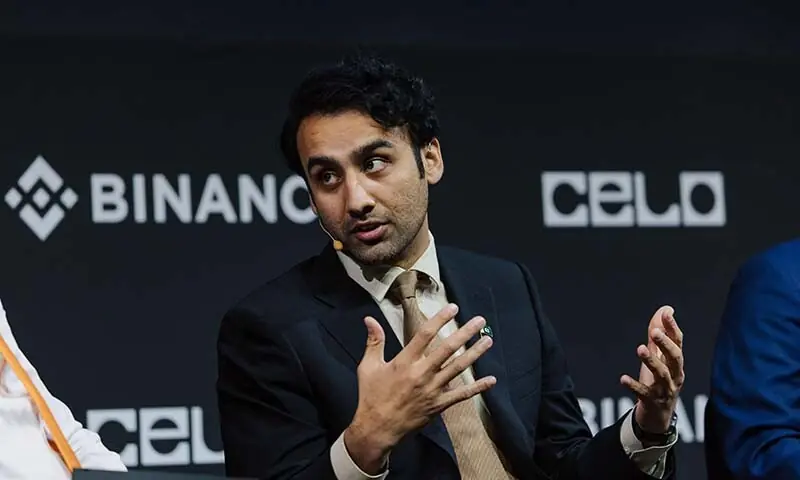
Bilal Bin Saqib, chairman of the Pakistan Virtual Assets Regulatory Authority (PVARA), said the country will “definitely launch” a stablecoin while also advancing work on central bank digital currencies, or CBDCs. He made the announcement at Binance Blockchain Week in Dubai, where he positioned the move as a way to collateralize government debt and capitalise on global trends in fintech.
“I think it is a great way to collateralise the government debt,” Saqib said. “We want to be at the forefront of this financial digital innovation that is happening. Why should we be at the tail-end of it when we have the muscle and the adoption?”
A stablecoin is a digital token whose value is intrinsically linked to a physical currency, such as the US dollar, making it more stable than other cryptocurrencies like Bitcoin. The PVARA, an autonomous federal body, is governed by a multi-stakeholder board that includes the governor of the State Bank of Pakistan, the chairman of the Securities and Exchange Commission of Pakistan and the chairman of the Federal Board of Revenue. Its mandate focuses on curbing illicit finance, protecting consumers and unlocking opportunities in fintech, remittances and tokenized assets, while fostering Shariah-compliant innovation through regulatory sandboxes.
Saqib, dubbed the crypto czar, also participated in a panel discussion on the future of virtual assets and emerging-market regulation during the Dubai event, according to a post on X by the Pakistan Crypto Council, or PCC. “He emphasised that for countries like Pakistan, clear and innovation-friendly crypto regulation is a key driver of economic growth,” the post read. “Pakistan’s work on stablecoins, data frameworks, and banking the unbanked can become valuable case studies for the world.”
The stablecoin initiative builds on Pakistan’s recent forays into cryptocurrency. Earlier this year, Saqib unveiled the country’s first government-led Strategic Bitcoin Reserve after delivering a keynote address at Bitcoin Vegas 2025 in Las Vegas. The audience included United States Vice President JD Vance, Eric Trump and Donald Trump Jr. In May, the government announced the allocation of 2,000 megawatts of electricity in the first phase of a national initiative to power Bitcoin mining and artificial intelligence data centers, signaling Islamabad’s commitment to bolstering infrastructure for digital assets.
Pakistan’s push comes amid a broader global race to regulate and harness cryptocurrencies, with emerging markets like the nation of more than 240 million people eyeing them as tools for remittances, financial inclusion and economic resilience. The country has grappled with foreign-exchange shortages and high inflation in recent years, prompting officials to explore innovative financing mechanisms.
Saqib’s remarks underscore Islamabad’s ambition to leapfrog traditional financial systems, leveraging its young, tech-savvy population and growing adoption of digital payments. The stablecoin could potentially stabilise cross-border transactions and attract foreign investment, though details on its structure, backing and timeline remain scant. The announcement aligns with efforts by central banks worldwide to develop CBDCs, which are digital versions of fiat currencies aimed at enhancing payment efficiency while maintaining monetary control. More than 100 countries are exploring or piloting such projects, according to the Bank for International Settlements.
Pakistan’s crypto regulator has emphasised a balanced approach, prioritising anti-money laundering measures and consumer safeguards alongside innovation. The PVARA’s sandbox programs allow startups to test Shariah-compliant products, reflecting the nation’s predominantly Muslim population and its focus on ethical finance.
Copyright © 2021 Independent Pakistan | All rights reserved