By Staff Reporter
ISLAMABAD: Prime Minister Shehbaz Sharif said on Sunday that Pakistan hopes to host the next round of direct negotiations between the United States and Iran “very soon,” positioning Islamabad as a central broker in a high-stakes diplomatic push to lock in a fragile ceasefire and ease months of regional conflict.
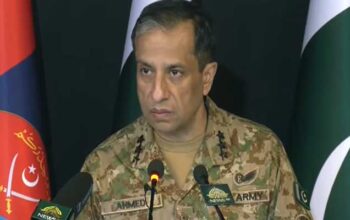
In a post on X, Sharif pledged that Pakistan would press ahead with its mediation “with utmost sincerity.” He credited President Donald Trump’s “extraordinary efforts” for peace and praised Field Marshal Syed Asim Munir, Pakistan’s army chief, for what he called “tireless efforts” that helped produce “very useful and productive” discussions.
The overture came hours after Trump posted on Truth Social that an agreement with Iran had been “largely negotiated,” subject to final details still under discussion. The president said the pact would be announced shortly and would include reopening the Strait of Hormuz, the narrow waterway through which roughly one-fifth of the world’s oil and liquefied natural gas once flowed.
Trump’s statement followed a flurry of telephone consultations he held Saturday with leaders from Saudi Arabia, the United Arab Emirates, Qatar, Turkey, Egypt, Jordan, Bahrain, and Pakistan. Pakistan was represented on the call by Field Marshal Munir. Trump also said he spoke separately with Israeli Prime Minister Benjamin Netanyahu and described the conversation as one that “went very well.”
Pakistan has stepped into the role of mediator with growing confidence. Government sources said Islamabad helped shape a draft framework aimed at ending the US-Iran standoff and could soon host what officials are calling the “Islamabad Talks.” The country already hosted an earlier, inconclusive round in April. Munir traveled to Tehran on Friday for talks with Iranian President Masoud Pezeshkian, Parliament Speaker Mohammad Bagher Ghalibaf, and Foreign Minister Abbas Araghchi. Pakistan’s military described the meetings as “highly productive” and said they produced “encouraging progress toward a final understanding.”
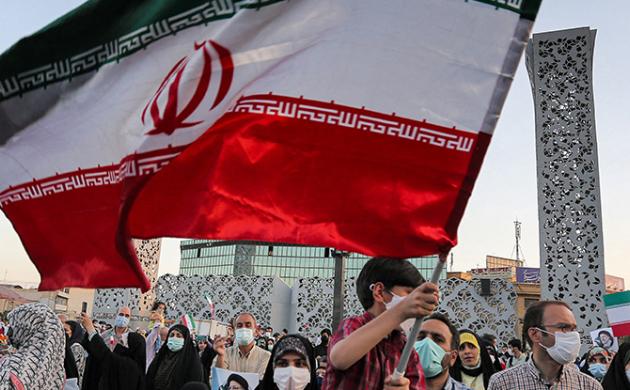
Iranian officials offered measured but positive signals. Foreign Ministry spokesman Esmaeil Baqaei described the latest proposal as a “framework agreement” or memorandum of understanding that would establish broad principles before more detailed negotiations unfold over the next 30 to 60 days. He told state television that the immediate priority was ending the war on all fronts, including Lebanon, and stopping any future US attacks.
Iran’s ambassador to Pakistan, Reza Amiri Moghadam, publicly thanked Islamabad, saying there was “conservative optimism” that a “positive stride” was taking shape thanks to Pakistan’s “initiative and dedicated endeavors.” He added that he hoped the “sincere efforts” of the Pakistani government and military would lead to “lasting peace in the region.”
Yet Iranian voices also drew firm lines. Ghalibaf warned during his meeting with Munir that Tehran would not compromise on its “national rights” and accused Washington of acting dishonestly. Iranian state-linked media, including Fars and Tasnim news agencies, reported that the proposed understanding would preserve Iran’s management of the Strait of Hormuz, require the lifting of the US naval blockade of Iranian ports within 30 days, and provide sanctions relief on oil sales during the negotiation period. Both outlets stressed that Iran had made no commitments on its nuclear program or stockpile of highly enriched uranium at this stage; those issues, they said, would be taken up separately in the weeks ahead.
The conflict that brought the region to the brink erupted in late February after joint US-Israeli strikes on Iran, triggering months of confrontation that closed the Strait of Hormuz to most commercial shipping, disrupted global energy markets, and raised fears of wider war. A ceasefire took effect on April 8, but the truce has remained shaky amid disputes over Iran’s nuclear ambitions, sanctions relief, maritime security, and fighting involving Tehran-backed groups in Lebanon.
Trump’s announcement represented the most optimistic public signal from Washington to date that a breakthrough may be near. US Secretary of State Marco Rubio, speaking in India, said the world might “get some good news” soon and described recent progress on an outline that could leave the strait fully open while addressing Iran’s past nuclear activities through diplomacy.
Still, the path forward is laced with familiar obstacles. Differences persist over whether Iran would be permitted to impose any form of control or tolls on shipping in the strait, over the scope of sanctions relief, and over the timetable and substance of nuclear talks. Iran has demanded at least partial access to frozen assets held abroad — as much as $20 billion according to some reports, with at least $12 billion in Qatar — as a condition for any initial understanding. Tehran has also insisted that any ceasefire cover all fronts, including an end to Israeli strikes in Lebanon.
In Washington, the emerging outline has drawn sharp criticism from some Republican hawks who argued it falls short of the original goals of the military campaign. Former Secretary of State Mike Pompeo called the reported framework too reminiscent of the 2015 nuclear deal from which Trump withdrew during his first term. Senator Ted Cruz warned that any outcome leaving Iran with effective control of the strait and access to billions in funds would be a “disastrous mistake.”
Pakistan, for its part, has cast its role as one of patient facilitation rather than pressure. Sharif’s government has maintained contacts with both Washington and Tehran since the April talks, viewing itself as a rare actor with working relationships on all sides of the Gulf divide.
Copyright © 2021 Independent Pakistan | All rights reserved