By Staff Reporter
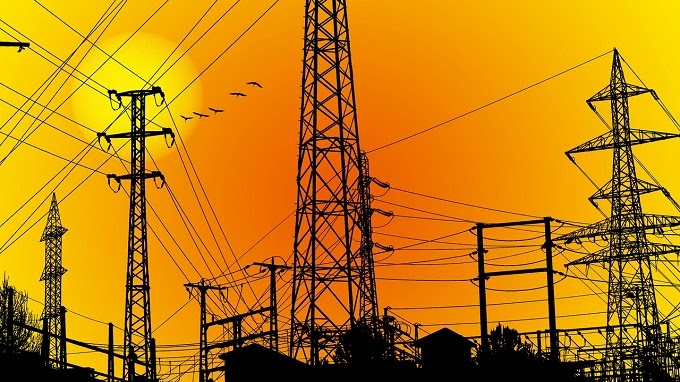
KARACHI: Power generation in Pakistan surged 21% in May 2025 from the previous month, hitting a nine-month high and signaling a potential revival in economic activity as lower electricity prices and seasonal factors spurred demand.
Electricity output climbed to 12,755 gigawatt-hours (GWh) in May, up sharply from 10,513 GWh in April, according to industry data.
The jump marks the highest monthly generation since August 2024, brokerage Topline Securities noted in a research report.
The robust month-on-month increase follows a lackluster April, with May’s output also edging up 1% from the 12,618 GWh recorded in the same month a year earlier. Despite the monthly gain, power generation for the first 11 months of fiscal year 2025 (July to May) dipped slightly by 0.2% to 113,415 GWh, compared with 113,598 GWh in the same period of the prior fiscal year.
The upswing in May’s electricity production reflects a confluence of factors. The government’s move to slash electricity tariffs has made power more affordable, driving up consumption. “The government’s decision to reduce electricity prices led to this high demand,” Topline said.
Meanwhile, rising temperatures with the onset of summer have fueled greater use of cooling appliances, further boosting demand. A significant ramp-up in hydel power generation has also helped the country meet this surge in consumption, analysts said.
Adding to the positive momentum, the cost of generating electricity in Pakistan fell sharply by 22% to Rs7.8 per kilowatt-hour (KWh) in May from 9.9 rupees in April. The decline aligns with a higher reliance on hydel power, a cheaper alternative to thermal sources. On a yearly basis, generation costs dropped 11% from Rs8.7 per KWh in May 2024.
Hydel power emerged as the backbone of the generation mix in May, accounting for 38% of total electricity produced. Re-gasified liquefied natural gas (RLNG) followed with a 17% share, while nuclear power contributed 16%. Among renewable sources, wind made up 3% of the mix, and solar added 1%.
Copyright © 2021 Independent Pakistan | All rights reserved