By Staff Reporter
ISLAMABAD: Pakistan’s economy has maintained stability and shown signs of growth in the first two months of the fiscal year despite severe flooding, with consumer inflation projected to remain in a manageable 3.5-4.5% range in September, the finance ministry said on Tuesday.
In its “Monthly Economic Update and Outlook” for September 2025, the Ministry of Finance highlighted resilience in key economic indicators, underpinned by moderating inflation, robust industrial output, and fiscal discipline. “Despite the disruption caused by recent floods, economic activity has remained broadly stable,” the ministry said.
Pakistan has been grappling with severe flooding since late June 2025, triggered by an extended monsoon season that intensified through September. The disaster has primarily affected densely populated regions, particularly Punjab, disrupting agricultural supply chains and infrastructure.
The ministry noted that inflationary pressures have eased significantly, with Consumer Price Index (CPI) inflation dropping to 3.0% year-on-year in August 2025, down from 4.1% in July and a sharp decline from 9.6% a year earlier. Cumulative inflation for July-August 2025 stood at 3.5%, compared with 10.4% in the same period last year, according to data from the Pakistan Bureau of Statistics (PBS).
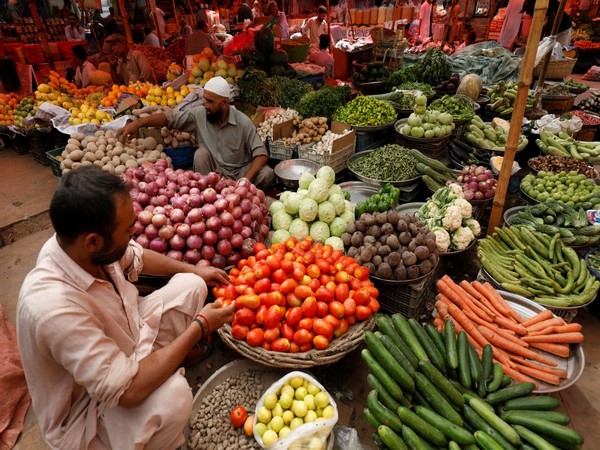
However, the report cautioned that flood-related disruptions could exert temporary pressure on food supply chains, potentially pushing prices higher. “As a result, inflation is expected to rise temporarily but remain contained within the 3.5–4.5% range in September 2025,” the ministry said.
The finance ministry reported strong performance in large-scale manufacturing (LSM), which posted 9% year-on-year growth in July, driven by textiles, automobiles, and cement. Cement dispatches surged over 20%, while automobile production recorded significant gains across vehicle categories. “The rebound in large-scale manufacturing, supported by encouraging trends in cement dispatches, automobile production, and allied industries, indicates strengthening industrial momentum in the months ahead,” the ministry said.
Fiscal accounts also reflected resilience, with the fiscal deficit contained at 0.2% of GDP and a primary surplus of Rs228.9 billion recorded. The Federal Board of Revenue’s tax collection rose 14.1% to Rs1.66 trillion during the period, signaling improved revenue mobilization and expenditure discipline.
Pakistan’s external sector remained broadly stable, supported by a 10.2% rise in exports to $5.3 billion and a 7% increase in remittances to $6.4 billion in the first two months of the fiscal year. Foreign exchange reserves stood at $19.8 billion as of Sept. 19, 2025, including $14.4 billion held by the State Bank of Pakistan (SBP). “Remittances continue to provide strong support, exports are showing early signs of recovery, and declining global commodity prices may help ease the import bill,” the ministry said.
The current account deficit is expected to remain manageable despite higher import demand, bolstered by improving demand in Pakistan’s key export markets, including the United States, China, and the Eurozone. Fitch Ratings forecast global growth at 2.4% for 2025, which is expected to support Pakistan’s external account going forward.
The State Bank of Pakistan, in its latest Monetary Policy Committee meeting, decided to keep the policy rate unchanged at 11%, citing the adverse impact of recent floods on the near-term macroeconomic outlook. The central bank’s cautious stance reflects concerns over potential inflationary pressures stemming from supply chain disruptions.
Copyright © 2021 Independent Pakistan | All rights reserved