By Staff Reporter
ISLAMABAD: The government on Friday announced a sweeping overhaul of its immigration and document verification systems, vowing to deploy artificial intelligence tools and impose stricter penalties in a bid to combat migrant smuggling and the use of fraudulent travel papers, following a series of recent incidents where passengers were barred from flights.
The measures, outlined during a high-level meeting in the capital, come amid heightened scrutiny of Pakistan’s passport system after last year’s deadly boat capsizing off the coast of Greece, which killed several Pakistani nationals and exposed vulnerabilities in the country’s efforts to curb illegal migration.
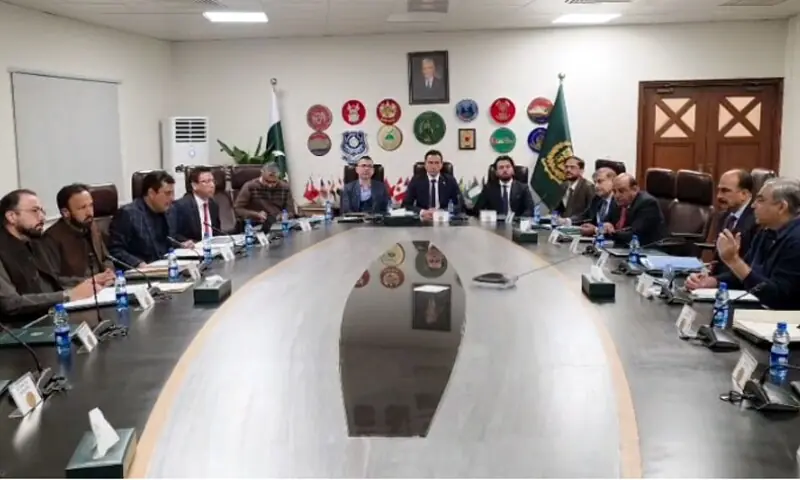
Interior Minister Mohsin Naqvi, who presided over the session alongside Chaudhry Salik Hussain, the federal minister for overseas Pakistanis, said authorities would show “zero tolerance” for fake visas and the networks of agents facilitating them. He emphasised that the reforms would not only target smugglers but also aim to restore the international credibility of Pakistan’s green passport. “We are in contact with other countries to improve the ranking of the green passport,” Naqvi said. “People going abroad through illegal means damage the country’s reputation. Immigration reforms aim to facilitate the public and improve our global standing.”
The meeting’s participants directed officials to finalise recommendations within seven days for making the issuance of “protectors”, mandatory documents for Pakistanis seeking overseas employment, more secure and transparent. They also called for broader changes to the immigration process to ease legitimate travel while weeding out fraud.
In one of the most concrete steps, Naqvi announced the launch of an AI-based pilot application in Islamabad starting in January. The system, he said, would allow authorities to assess travelers’ eligibility in advance, flagging potential risks before individuals reach airports.
The interior minister added that passports of deported Pakistanis would be canceled, barring them from obtaining new visas. He also revealed that the National Police Bureau would begin issuing a standardised international driving license to align with global norms.
Hussain, for his part, stressed the urgency of establishing “a fully transparent protector system,” arguing that it was “essential for individuals travelling on labour visas to possess authentic documents.” He pledged that his ministry would provide full cooperation to the Interior Ministry in refining both the protector and immigration frameworks.
The discussion extended to a review of ongoing actions against illegal migrants and those with incomplete paperwork. Participants delved into specifics on electronic driving licenses, protector stamps and broader immigration protocols, underscoring the government’s intent to address systemic gaps that have allowed smuggling rings to thrive.
The crackdown follows reports of multiple travelers being offloaded from flights at airports across the country, even in cases where they held what appeared to be valid documents. Officials attributed these interventions to intensified checks prompted by the Greece tragedy, which highlighted how smugglers exploit weak verification processes to send migrants on perilous journeys.
Naqvi had earlier publicly warned that anyone attempting to travel on incomplete or bogus documents would be halted without exception, signaling a shift toward proactive enforcement. The initiatives reflect broader concerns over Pakistan’s migration challenges, as economic pressures drive many citizens to seek opportunities abroad, sometimes through unregulated channels. Government officials have repeatedly linked such irregular movements to reputational harm, including downgrades in passport rankings that complicate legal travel for millions of Pakistanis.
Copyright © 2021 Independent Pakistan | All rights reserved