By Staff Reporter
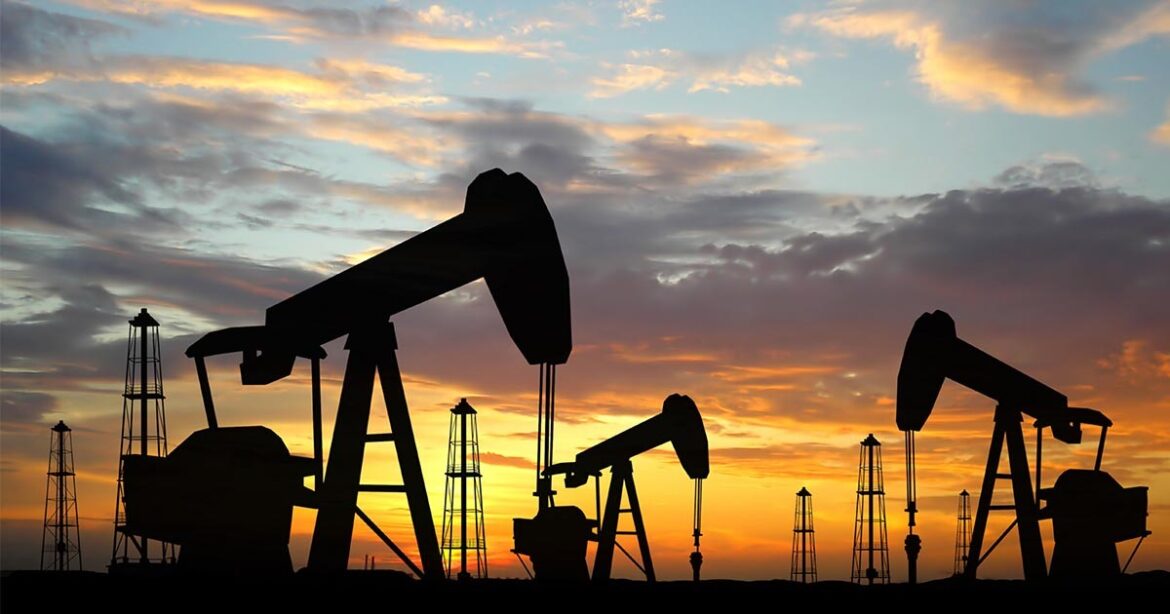
ISLAMABAD: State-owned Oil & Gas Development Co. is gearing up for a significant push into unconventional gas starting early next year, seeking to ramp up domestic output and ease the country’s heavy dependence on imported liquefied natural gas.
The move targets tight and shale gas reserves, which are locked in rock formations and require advanced drilling techniques to extract. While Pakistan has been seen as holding promise in these resources, commercial production remains unproven.
Managing Director Ahmed Lak told Reuters that OGDCL had tripled its tight-gas study area to 4,500 square kilometers following fresh seismic and reservoir analysis that revealed greater potential. The second phase of technical evaluation is set to wrap up by the end of January, paving the way for comprehensive development strategies.
The initiative follows comments from former US President Donald Trump in July, when he described Pakistan as having “massive” oil reserves — a claim dismissed by analysts as lacking solid geological backing. Still, it spurred Islamabad to highlight its independent drive to tap unconventional deposits. “We started with 85 wells, but the footprint has expanded massively,” Lak said, adding that OGDCL’s next five-year plan would look “drastically different.”
Initial findings suggest a “significant” resource base spanning regions of Sindh and Balochistan, with several reservoirs exhibiting tight-gas traits, he said. On the shale front, OGDCL is accelerating its efforts, moving beyond a lone pilot well to a program of five to six wells in 2026-27. These are projected to yield about 34 million standard cubic feet per day each. Success could lead to scaling up to hundreds or even more than 1,000 wells, Lak said.
He estimated that shale development alone might eventually contribute 600 million standard cubic feet per day to 1 billion standard cubic feet per day of additional supply, though the company would require partners to advance if the pilots pan out. OGDCL is willing to engage partners “on a reciprocal basis,” possibly swapping international acreage for stakes in Pakistani projects, he said.
A 2015 study by the US Energy Information Administration pegged Pakistan’s technically recoverable shale oil at 9.1 billion barrels, ranking it as the biggest such endowment outside China and the US. A 2022 review identified portions of the Indus Basin as geologically akin to successful North American shale plays, though experts caution that economic feasibility depends on enhanced geomechanical insights, bolstered fracking infrastructure and sufficient water supplies.
Looking offshore, OGDCL intends to spud a deep-water well in the Indus Basin during the fourth quarter of 2026, Lak said. In October, Turkey’s TPAO, alongside Pakistan Petroleum Ltd. and consortium members including OGDCL, secured an exploration block in offshore waters. The expansion unfolds amid a domestic gas glut, driven by sluggish demand, growing solar adoption and inflexible LNG import commitments. This has compelled OGDCL to throttle production and prompted Pakistan to redirect shipments from Italy’s Eni SpA while negotiating revised agreements with Qatar.
Copyright © 2021 Independent Pakistan | All rights reserved