By Staff Reporter
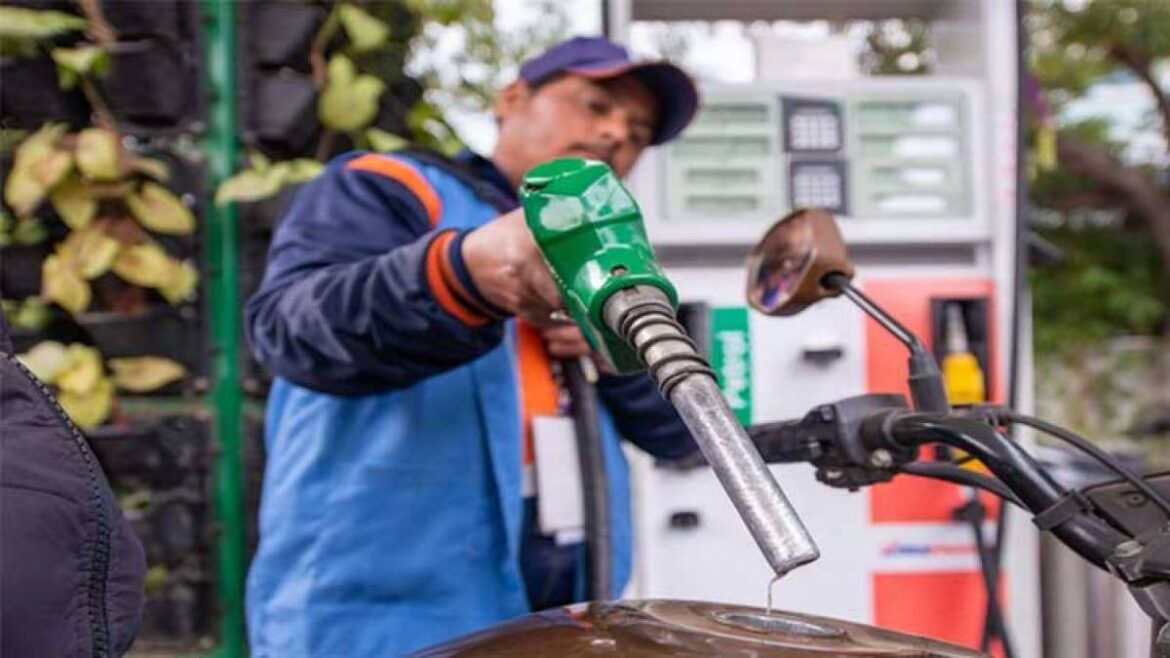
ISAMABAD: Pakistan cut petrol and diesel prices by Rs2 a litre on Monday, the 10th consecutive reduction, as a sharp retreat in global crude on hopes of a US-Iran settlement continued to filter through to local pumps.
Petrol will retail at Rs328 a litre and high-speed diesel at Rs358 on Tuesday, Nov 17, according to a notification from the Oil and Gas Regulatory Authority, or Ogra. Petrol sold for Rs377.91 and diesel for Rs402.96 before a Nov 3 reduction, so pump prices are now down by roughly Rs50 and Rs45 a litre respectively over that period.
The government still levies Rs114 a litre in taxes and duties on petrol and Rs100 on diesel. Under an arrangement announced Nov 2, refineries will bear a combined Rs15 billion over 30 days by contributing to the petroleum levy.
The latest cuts follow a rout in the oil market. Brent futures fell more than $7 a barrel on Nov 9 to their lowest since late August, after President Donald Trump played down the prospect of fresh strikes on Iran, and the benchmark dropped 16% the previous week, its steepest weekly decline since the start of the pandemic. Brent was trading near $94.17 on Monday. That compares with four-year highs reached in recent weeks on concern that Washington could resume strikes after the US midterm elections. Iranian and Qatari officials have held several days of talks aimed at ending the US-Israeli war on Iran. Gulf crude exports have also been recovering toward pre-war levels, though at higher transport costs and with geopolitical risks to those shipments unresolved.
Risks to the downside for consumers remain. Goldman Sachs raised its oil forecasts on Nov 1, saying Brent could reach $140 in 2027 if Gulf output stays 3.5 million barrels a day below its 2025 average. Brent rose from about $70 before the war to $126.41 in April.
Pakistan’s pump prices remain well above pre-war levels, even after the decline. Diesel has dropped from a peak of Rs520.35 a litre on April 3, having started rising from Rs281 after the US-Iran war broke out on Feb 28. Petrol peaked at Rs458.41 on the same day, after beginning its climb from Rs266 in the first week of March. At Rs358 and Rs328, diesel is still about 27% and petrol about 23% above where they began.
The government has been resetting fuel prices on a near-daily basis since July 17, following renewed hostilities between Iran and the US. The prime minister had handed over Ogra responsibility for setting prices daily, based on international market trends. Before that, the government announced weekly revisions from early March, alongside fuel-conservation measures aimed at possible supply disruptions. It also announced targeted subsidised-fuel relief in April.
The pricing regime has drawn pushback from retailers. Nouman Ali Butt, vice chairman of the All Pakistan Petrol Pump Owners Association, wrote to Prime Minister Shehbaz Sharif asking for monthly rather than daily revisions, calling the current practice a “serious difficulty” for members’ businesses nationwide.
Dealers buy stock at one price and sell it over the following days, Butt said. When prices change so often, and have recently been falling, inventory bought at a higher rate has to be sold at a lower one. That leaves pump owners with losses they cannot recover, he said. Frequent changes also complicate purchase planning and working capital, and confuse customers at the pump.
Butt said the association’s members are small and medium-sized businesses that provide an essential service and employ a large number of people, and that many would struggle to survive if the situation continued. The association argued that monthly revisions would bring “much-needed stability and predictability to the sector” while still letting prices follow the market.
To cushion lower-income households, Sharif announced a relief scheme on Sept 13 offering Rs100 a litre off petrol for motorcycles, three-wheeler rickshaws and cars with engines up to 800cc. The government rolled it out nationwide on Sept 17, in response to rising fuel prices linked to the Middle East situation. It is expected to cover about 11.8 million beneficiaries. Around 10 million two-wheeler users and 800,000 three-wheeler users are entitled to relief on 20 litres a month, a maximum benefit of Rs2,000 each. Another 1 million owners of cars up to 800cc get relief on 30 litres, worth up to Rs3,000.
On Sept 17 the government also reintroduced austerity and fuel-conservation measures, which remain in place. A Cabinet Division notification, effective immediately, requires shops, markets, shopping malls, bazaars, departmental stores, grocery stores and kiryana shops to close by 9pm throughout the week. Marriage halls, marquees and other commercial venues hosting festive events must close by 10pm. Restaurants, cafes, eateries, food outlets and standalone fruit and vegetable shops can stay open until 11pm. Takeaway and home delivery services are exempt. Fuel allocations for official vehicles have been cut by 50% for three months.
Petrol and diesel are the main revenue earners in Pakistan’s fuel market, with combined monthly sales of about 700,000 to 800,000 tonnes, compared with about 10,000 tonnes of monthly kerosene demand. Petrol is used mainly in private transport, small vehicles, rickshaws and two-wheelers, so price changes weigh on the middle and lower-middle classes. Diesel, used mainly in heavy transport, power plants and large generators, affects the wider public.
Copyright © 2021 Independent Pakistan | All rights reserved