By Staff Reporter
ISLAMABAD: The Foreign Office expressed guarded optimism on Thursday about ongoing talks with Afghanistan, suggesting progress on the thorny issue of militant sanctuaries used by the banned Tehreek-i-Taliban Pakistan (TTP) on Afghan soil.
The comments come as Foreign Minister Ishaq Dar arrived in the United States for a crucial meeting with Secretary of State Marco Rubio today, set to tackle a sweeping agenda that includes bilateral ties, regional flashpoints like the Middle East and Iran, and the simmering Pakistan-India dispute.
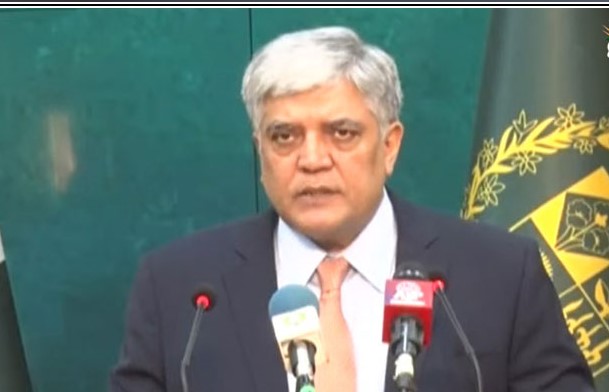
At a weekly briefing in Islamabad, Foreign Office spokesman Shafqat Ali Khan pointed to a shift in Kabul’s stance. “One of the stumbling blocks is the sanctuaries enjoyed by terrorists there. There is an active engagement going on between the two sides, and the Afghan side is showing receptivity to our concerns communicated to them in this regard,” Khan told reporters.
The remarks signal a cautious hope that the Afghan Taliban, long accused by Pakistan of sheltering TTP fighters, may be open to addressing Islamabad’s security concerns. The TTP has been a persistent source of friction between the two neighbours since the Taliban seized power in Kabul in 2021.
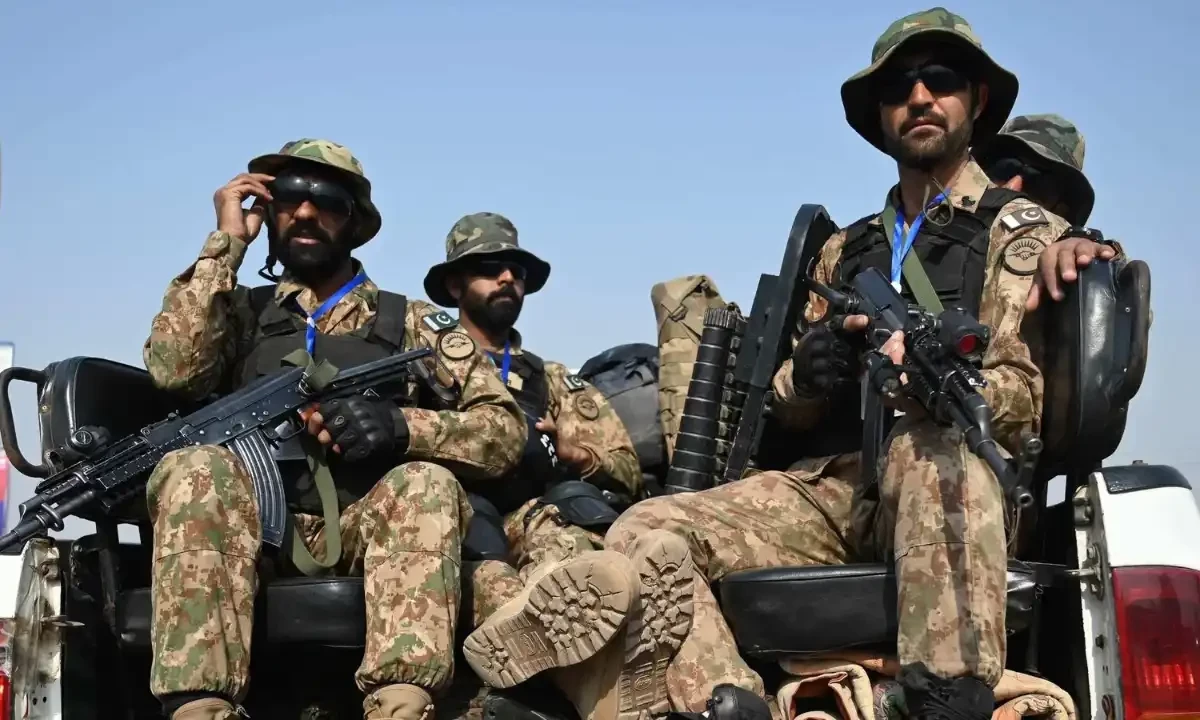
Pakistan estimates that 3,000 to 4,000 TTP militants operate from Afghan territory, launching deadly attacks on its security forces, particularly in the border provinces of Khyber Pakhtunkhwa and Balochistan.
The collapse of a tenuous ceasefire with the TTP in November 2022 unleashed a wave of violence, prompting Pakistan to press Kabul harder on the issue. The Taliban administration has repeatedly denied providing safe havens, a stance that has fueled years of distrust. Recent diplomatic efforts, however, suggest a thaw.
Foreign Minister Dar’s visit to Kabul on April 19 laid the groundwork, with discussions focusing on trade, border security, and counterterrorism. Interior Minister Mohsin Naqvi followed up on Sunday, meeting Afghan Interior Minister Sirajuddin Haqqani to hammer out details on cross-border security, the TTP threat, drug trafficking, and refugee repatriation.
Pakistani officials say the Taliban have agreed in principle to a “phased process” to disarm and relocate TTP fighters away from the border, a rare concession from Kabul. “The technical discussions are ongoing. The two sides are positively engaged, and cooperation in the security area has to be seen in the broader ambit of overall positivity and improvement of relations between the two brotherly neighboring countries,” Khan said.
He also noted progress on trade, a lifeline for both economies. “There have been issues, or multiple issues, ranging from logistics, customs, procedure, etc., impacting trade. So all of these are being addressed, and you can see the momentum it is generating. So, there is good progress on the trade.”
The diplomatic uptick will see Taliban Foreign Minister Amir Khan Muttaqi visit Islamabad in the coming weeks, a sign of sustained momentum. For Pakistan, stabilizing ties with Afghanistan is critical to curbing the TTP’s reach and securing its western border.
Dar-Rubio Talks
Dar’s meeting with Rubio today in Washington caps a busy US visit that includes Pakistan’s participation in events tied to its UN Security Council presidency in New York. The talks promise to be wide-ranging.
“I can confirm that the meeting is scheduled for tomorrow, and the entire range of issues on the bilateral agenda, as well as important regional and global issues including the situation in the Middle East, and Iran will be discussed,” Khan said.
High on the agenda is the Pakistan-India dispute, thrust back into the spotlight after a brief but intense military clash in May. The crisis began with an attack on April 22 in Pahalgam, occupied Kashmir, which killed 26 people. I
ndia blamed Pakistan-based militants and retaliated on May 7 with strikes on alleged terrorist camps in Pakistan and Azad Kashmir. Pakistan hit back with Operation Bunyan-un-Marsoos, targeting Indian military sites in the fiercest exchange between the nuclear-armed rivals since 1971. The United States stepped in to avert a broader conflict, with Rubio and Vice President JD Vance mediating a ceasefire on May 10. Pakistan has praised Washington’s role.
“Exchange of views will also take place on the Pakistan-India question, for which we remain grateful for the role played by the US in de-escalation of tensions leading to ceasefire,” Khan said. Islamabad remains wary of New Delhi’s next moves. “Our position is that the issues have to be resolved through diplomacy and peaceful means, and we remain committed to it,” Khan said. “We engage with all countries in good faith, and we continue to invite India to come to the negotiating table and move towards a peaceful settlement of disputes. But the key question is for India to decide what kind of policy it wants to adopt.”
“As far as Pakistan is concerned, our position is very clear. We have acknowledged and thanked the U.S. intervention and the role it played in the de-escalation of the recent crisis. But again, it is for India to decide the route it wants to take, the policy it wants to adopt.”
Copyright © 2021 Independent Pakistan | All rights reserved