By Staff Reporter
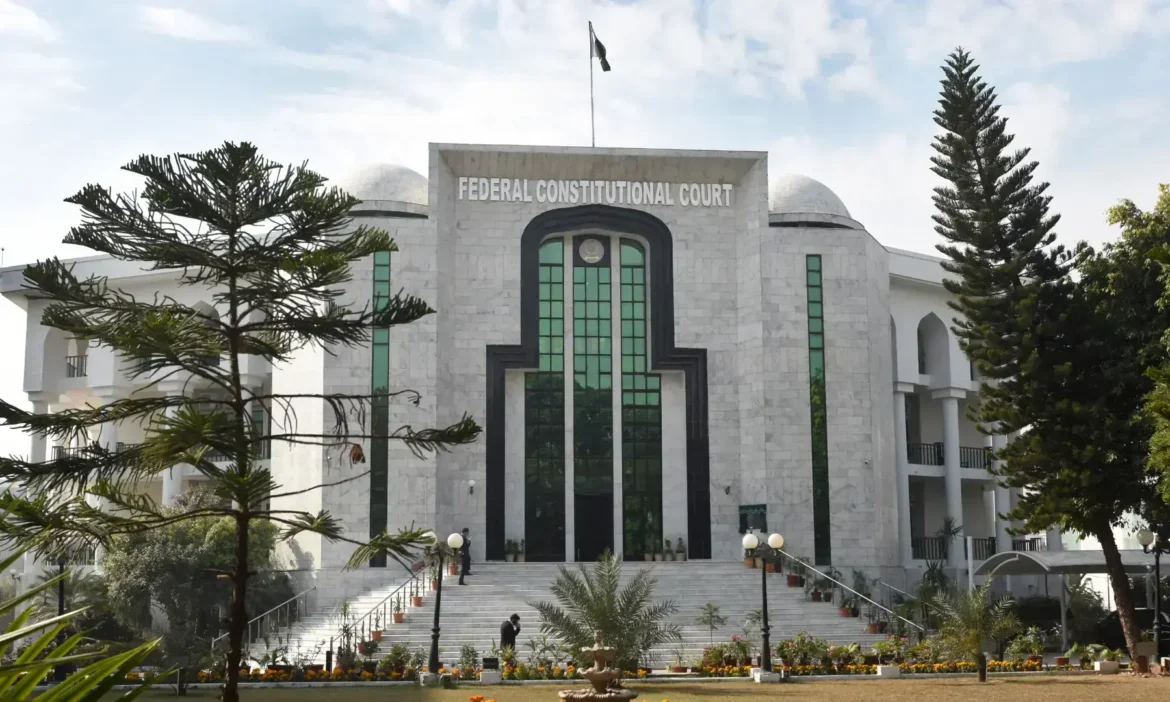
ISLAMABAD: The Federal Constitution Court on Tuesday upheld the legality of a controversial super tax in a landmark decision that affirms parliament’s broad powers to impose levies and safeguards billions in government revenue earmarked for rehabilitating terrorism-displaced families.
The ruling, which resolves more than 2,200 long-pending tax disputes, declares Sections 4-B and 4-C of the Income Tax Ordinance, 2001, as constitutionally valid and applicable from the dates they were introduced, along with the prescribed rates. A three-judge bench led by Chief Justice Aminuddin Khan, and including Justices Syed Hasan Azhar Rizvi and Syed Arshad Hussain Shah, delivered the short order in the afternoon following a brief morning hearing. The court had reserved its verdict earlier in the day, with a detailed judgment to be issued later.
The decision sets aside earlier judgments from the high courts in Islamabad, Lahore and Sindh, which had partially struck down or limited the tax on grounds including retrospectivity, discrimination, irrational tax slabs, double taxation and inequity. The Federal Constitution Court held that those rulings amounted to judicial overreach, infringing on the separation of powers by attempting to redetermine tax rates, thresholds or fiscal policy—matters exclusively within parliament’s domain. “The courts’ role is limited to interpretation,” the short order stated, saying that parliament holds exclusive legislative competence in taxation under the constitution.
Senior counsel Hafiz Ahsaan Ahmad Khokhar, representing the Revenue Division secretary, said the verdict protects an estimated Rs310 billion in public funds. “This resolves over 2,200 cases that have been hanging fire,” he said, noting the disputes were transferred to the Federal Constitution Court after the 27th Constitutional Amendment.
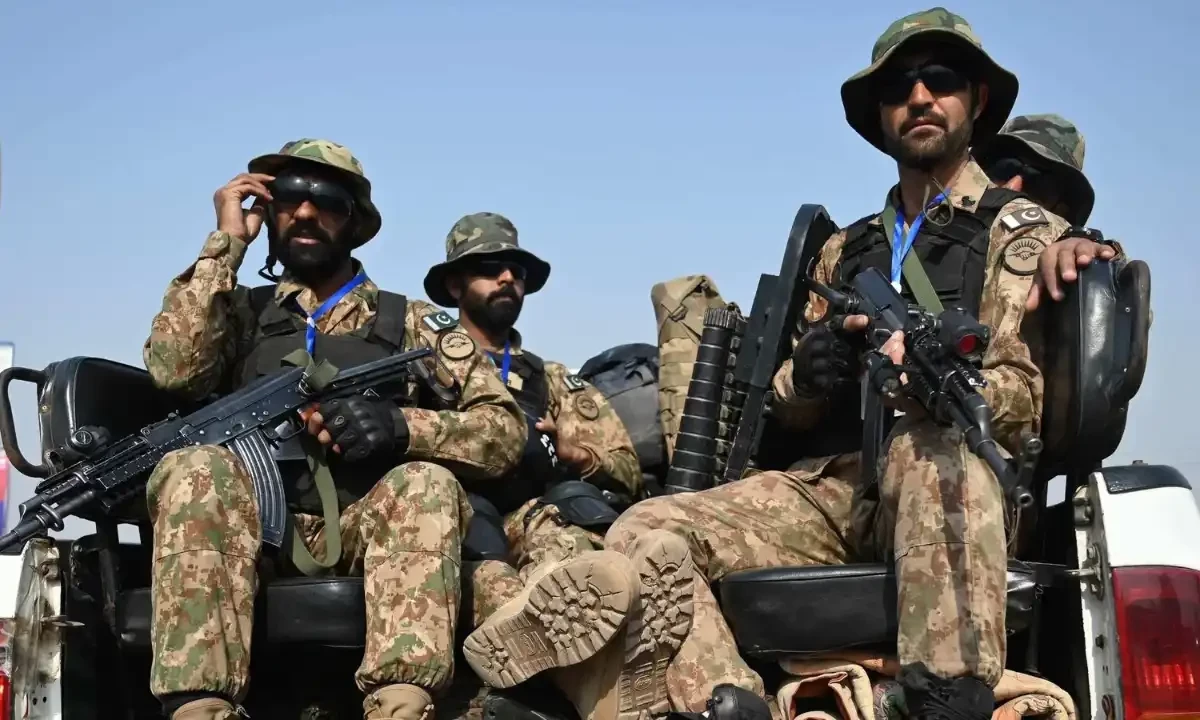
The super tax traces its origins to 2015, when the then Pakistan Muslim League-Nawaz (PML-N) government introduced it as a one-time measure via a money bill to fund rehabilitation in areas ravaged by Operation Zarb-i-Azb, a military campaign against militants in the northwest. At the time, it imposed an additional 5% levy on annual profits exceeding Rs300 million, a provision that high courts largely upheld. In 2022, the tax was broadened to target incomes above Rs150 million annually, with rates climbing to a maximum of 10%. Banking companies face a 4% rate, while other sectors are hit with 3%, all aimed at supporting the resettlement of temporarily displaced persons from conflict zones, particularly in Khyber Pakhtunkhwa province.
Business owners, banks and companies challenged the expansions in the high courts, arguing the retrospective application violated principles of fair taxation and effectively doubled their burdens. Section 4-B, focused on rehabilitation aid, had generally survived scrutiny, but Section 4-C, targeting high earners, faced setbacks in some rulings. Litigation began in 2019 and wound through multiple forums. The Supreme Court held 71 hearings before the case shifted to a constitutional bench under the 26th Constitutional Amendment. It was finally moved to the Federal Constitution Court following the 27th Amendment, where 17 more sessions were conducted.
In its order, the court declared both sections “intra vires” the constitution and confirmed the maintainability of appeals by the Federal Board of Revenue secretary and Inland Revenue commissioner. It carved out specific exemptions, excluding benevolent funds from the tax’s scope, and directed oil and gas exploration firms to seek individual exemptions from tax commissioners under the 1948 concession regime, with assessments to be handled case by case.
The ruling shows the human toll behind the fiscal debate: the super tax was designed to rebuild lives shattered by years of insurgency, providing shelter, livelihoods and stability to thousands uprooted from their homes in remote tribal areas. For families still grappling with the scars of displacement, the preserved revenue offers a lifeline amid Pakistan’s ongoing economic strains, including high inflation and fiscal deficits.
Analysts say the decision could embolden future tax reforms, reinforcing parliamentary authority at a time when the government faces pressure to boost revenues without alienating investors. Pakistan’s economy, reliant on international bailouts, has long struggled with a narrow tax base, and upholding such levies may help plug gaps in funding for social welfare.
Copyright © 2021 Independent Pakistan | All rights reserved