By Staff Reporter
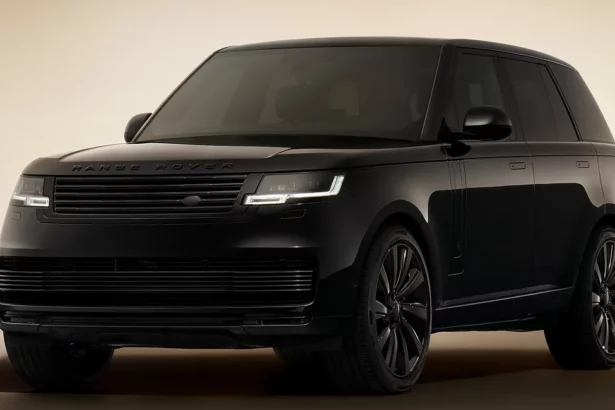
KARACHI: Authorities in Karachi have enlisted Interpol and British police to help recover a high-end Range Rover stolen from the United Kingdom nearly three years ago and recently traced to the streets of this bustling port city, highlighting persistent vulnerabilities in the country’s vehicle import system that allow pilfered cars to slip through customs undetected.
The black Range Rover Sport was stolen on Nov. 11, 2022, from Harrogate, U.K., before its trail went cold in Leeds, according to an Interpol letter alerting Pakistani officials. The breakthrough came this February when the vehicle’s GPS tracker, which had been shut off in Leeds, reactivated on Feb. 11, 2025, near Korangi Road and Azam Basti in Karachi’s Saddar area.
Interpol has logged the Range Rover in its Secure Mechanism for Vehicles database, urging Pakistani authorities to assist in its recovery.
Inspector General of Police Ghulam Nabi Memon said the Interpol letter arrived two days earlier at the office of the Anti-Vehicles Lifting Cell’s senior superintendent. “We have sent an email to the U.K. police and asked them to send us a detailed log of the tracker fitted in the vehicle,” he said.
Memon said the police also sought the source of the active location of the vehicle from the tracker, as the vehicle was last spotted in Karachi on Feb. 11, 2025. The case echoes a similar incident in 2022, when another luxury vehicle — a Bentley Mulsanne stolen from the U.K. — was recovered in Karachi after a British intelligence agency pinpointed its exact location and notified Pakistani authorities.
The episode has drawn fresh attention to long-standing flaws in Pakistan’s vehicle import ecosystem, which experts say enable smuggling networks to thrive and undermine confidence in the luxury car market. Among the key issues: weak customs audits that allow stolen or tampered vehicles to pass through ports due to insufficient document checks; auction sheet fraud, where fake or unverifiable auction sheets often accompany luxury imports, masking a car’s true history; and a lack of digital verification, as Pakistan lacks a centralized cross-border vehicle database, leaving gaps in detecting stolen cars even after Interpol alerts.
Additionally, grey import exploitation creates loopholes in import policy that let smuggling networks operate undetected. For dealers and importers, these incidents erode trust, as genuine businesses face reduced credibility and customers fear unknowingly buying stolen vehicles, potentially depressing sales in the luxury import segment. Buyers, meanwhile, risk significant financial loss, since vehicles flagged internationally can be seized at any time with no compensation guaranteed. Local assemblers have seized on such cases to strengthen their lobbying against used imports, arguing that weak regulation invites abuse. Internationally, the situation raises red flags about Pakistan’s customs regime, discouraging foreign investors and complicating auto trade agreements.
Copyright © 2021 Independent Pakistan | All rights reserved