By Staff Reporter
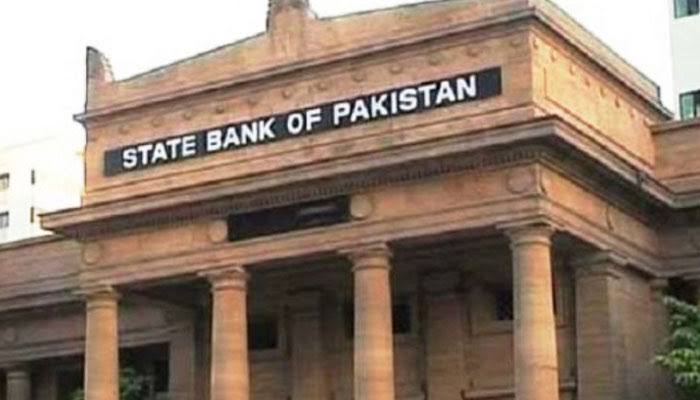
KARACHI: Pakistan’s central bank disputed reports circulating on social media on Friday that a global financial-crimes watchdog had identified the country’s instant payment system as a conduit for money laundering, saying the claims distorted the findings of a report examining underground banking networks worldwide.
The State Bank of Pakistan said in a statement posted on X that a report published a day earlier by the Financial Action Task Force did not identify Raast, the bank’s domestic payment platform, as a money-laundering mechanism and raised no concerns about the integrity of its infrastructure. The central bank characterised the reports as stemming from a misleading headline.
“The FATF report neither identifies Raast as a money-laundering mechanism nor raises any specific concern regarding the integrity of the Raast payment infrastructure,” the SBP said. “Any portrayal suggesting otherwise misrepresents the context and findings of the report.”
The report in question, “Investigating Professional Money Laundering, Underground Banking, and the Use of Hawala and Other Similar Service Providers,” was published jointly by FATF and the Organisation for Economic Co-operation and Development, drawing on input from roughly 45 jurisdictions and organisations, including Pakistan and India.
The report examines the growing professionalisation of hawala and other underground banking networks, which it found are increasingly relying on virtual assets and financial-technology platforms to move and conceal illicit funds. More than 80% of reporting jurisdictions identified underground banking systems as primary channels for professional money laundering, with individual cases in some instances exceeding 500 million euros laundered within a period of just a few months.
Raast appears in the report within a case study built around an investigation by the Central Bank of Oman. Oman’s central bank received intelligence through its whistleblower channel about individuals suspected of operating an unlicensed cross-border remittance business to Pakistan, after a reporting entity detected the activity following a sudden drop in customer remittances through specific corridors. The Omani central bank then engaged directly with customers, joined the relevant WhatsApp group and collected supporting evidence before formally reporting the case; follow-up social media monitoring and off-site analysis identified the group, called “XX Money Exchange,” which foreign nationals were using to advertise foreign-exchange and remittance services to expatriate communities in Oman.
According to the report’s account of the scheme, operators offered exchange rates below the formal market rate with minimal or no fees, and encouraged customers to share the group with others looking to send money home. Customers paid the suspected hawala operators either in cash or through mobile-linked transfers, and the operators then sent screenshots as proof of payment through an e-wallet linked to a corresponding e-wallet held with a payment service provider in the destination country. “The scheme exploited lower-cost remittance channels in destination countries, including fee-free transfers to Pakistan through channels such as Raast, as well as exchange rate differentials offered by some digital wallet or payment providers,” the report said.
The SBP has drawn a distinction between that case study, in which Raast functioned as a channel used within a broader cross-border laundering scheme, and any suggestion that FATF assessed the system itself as compromised. The central bank said Raast appears in the report “only as the legitimate domestic payment channel used for domestic payments and transfers,” and noted that the system does not currently support cross-border transfers — meaning the international leg of any such scheme would necessarily be completed through other channels before funds reached Pakistan.
Pakistan spent more than four years on FATF’s so-called grey list, the roster of jurisdictions placed under increased monitoring for deficiencies in their anti-money-laundering and counterterrorism-financing frameworks. The country was added to the list in June 2018 and removed in October 2022, after completing two action plans covering 34 separate items; FATF at the time cited significant progress in strengthening the effectiveness of the country’s regime.
The SBP said Friday it remains committed to protecting the integrity of Pakistan’s payment infrastructure and to strengthening safeguards in line with international standards, and that it would continue monitoring the system for potential misuse.
Copyright © 2021 Independent Pakistan | All rights reserved