By Staff Reporter
ISLAMABAD: Structural reforms in Pakistan’s energy sector, state-owned enterprises and governance frameworks are essential to the success of the country’s $7 billion bailout program with the International Monetary Fund, a senior IMF official said, warning that macroeconomic vulnerabilities remain despite recent progress.
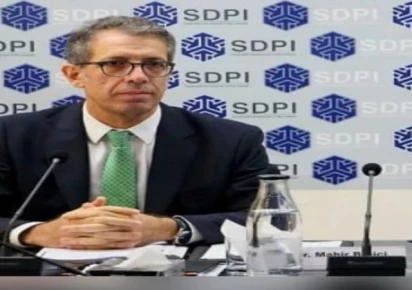
Mahir Binici, the IMF’s resident representative in Pakistan, outlined the priorities during a policy session on Friday hosted by the Pakistan Institute of Development Economics in Islamabad. The event focused on the fund’s second review under Pakistan’s Extended Fund Facility, which was completed on Dec. 8. “These reforms are critical not only for macroeconomic stabilisation but also for strengthening long-term economic resilience,” Binici said. He cautioned that “macroeconomic vulnerabilities persist,” underscoring the need for “continued and credible reform efforts.”
Pakistan secured the 37-month EFF in July 2024 to address deep-seated economic challenges, including high debt, persistent inflation and external imbalances. The program, which builds on lessons from prior IMF arrangements, places greater emphasis on resilience and sustainable growth. Disbursements under the facility are tied to meeting targets on fiscal discipline, monetary policy and structural changes.
Binici highlighted improvements in key areas, including reduced external imbalances, a better-functioning foreign exchange market, and easing pressure on reserves. Still, he emphasised that these gains “must be preserved through policy continuity, discipline, and consistency to ensure long-term durability.”
On inflation, which has hammered households amid rising food and energy costs, Binici stressed the role of a “tight and credible monetary policy framework” in restoring price stability. “Central bank independence and anchoring inflation expectations” are foundational for growth, he said. The IMF country chief also reiterated the benefits of a market-determined exchange rate, which helps absorb shocks, boosts exports and builds reserves. Fiscal consolidation remains a cornerstone, with priorities including broadening the tax base, improving administration and cutting untargeted subsidies to free up funds for development and social programs.
Acknowledging the human toll of these adjustments, Binici called for “targeted social safety nets to protect vulnerable segments of society from the impact of inflation and reforms.” The IMF official emphasised domestic ownership as key to the program’s success. “Strong domestic ownership and consistent implementation of reforms” are vital, he said, adding that “nationally driven and well-communicated reforms help build investor confidence and support durable growth.”
Pakistan’s economy has shown signs of stabilization since the EFF’s launch, with inflation cooling from peaks above 30% and reserves edging higher. But challenges linger, including power sector losses exceeding 2% of GDP and state firms draining public coffers. The government, led by Prime Minister Shehbaz Sharif, has pledged to push through unpopular measures like energy tariff hikes and tax reforms to meet IMF conditions. The second review’s approval unlocked a tranche of about $1 billion, bringing total disbursements to roughly $3 billion. Future reviews will scrutinise progress on privatisation, anti-corruption efforts and climate adaptation—areas where delays have tripped up past programs.
Copyright © 2021 Independent Pakistan | All rights reserved