By Staff Reporter
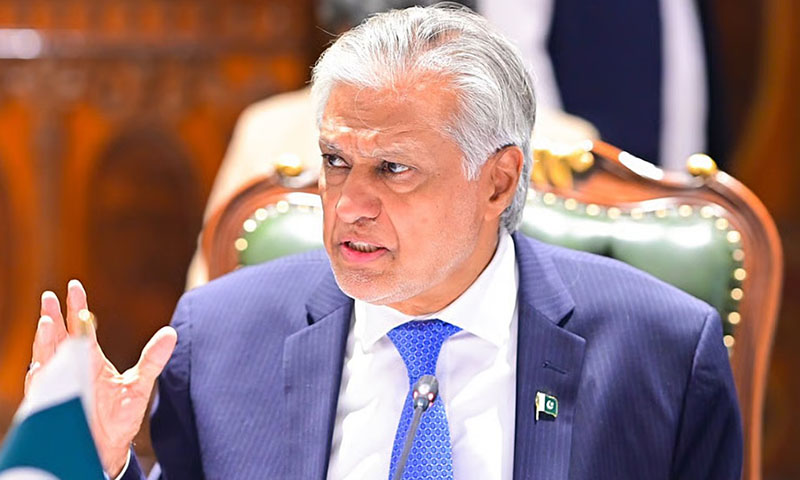
ISLAMABAD: Pakistan is pushing to transform $1 billion in deposits from the United Arab Emirates into equity investments as part of a broader strategy to pare back its external debt load, Deputy Prime Minister Ishaq Dar said, after high-level talks with the Gulf nation’s leader.
The move would involve the UAE acquiring stakes in companies tied to the Fauji Fertilizer Group, effectively wiping out Islamabad’s repayment obligations on that slice of funding, Dar told reporters at a year-end briefing on Saturday. It comes on the heels of a visit to the Pakistani capital by UAE President Sheikh Mohamed bin Zayed Al Nahyan, where the two sides discussed deepening economic ties.
“They will be acquiring some shares, and this liability will end,” Dar said of the proposed transaction, adding that negotiations are advancing with an eye toward wrapping up by March 31. The UAE has emerged as a critical lifeline for Pakistan’s cash-strapped economy in recent years, parking $3 billion in deposits at the central bank to bolster foreign reserves and pave the way for International Monetary Fund bailouts. Those funds have been rolled over repeatedly amid persistent balance-of-payments strains, but Dar signaled a pivot toward more sustainable inflows.
Pakistan had already kicked off talks with Abu Dhabi on extending the first $1 billion tranche, he said, but the government is now prioritizing a shift from short-term borrowing to outright investment. The Fauji Foundation Group, a military-linked conglomerate with interests in fertilizers, energy and banking, is spearheading the process through partial disinvestment in affiliated firms.
Dar also flagged a separate $2 billion rollover from the UAE slated for January, noting that Islamabad pressed during the presidential visit for a similar debt-to-equity conversion. He described the discussions as cordial, with the UAE signaling openness to ramping up its investment presence in Pakistan.
The strategy underscores Islamabad’s efforts to move beyond the cycle of deposit rollovers from allies like the UAE, Saudi Arabia and China, measures that offer temporary breathing room but exacerbate long-term debt risks, according to economists. Pakistan has leaned heavily on such support to navigate external pressures, securing $5 billion from Riyadh and $4 billion from Beijing in recent years. Those inflows were instrumental in stabilizing reserves and satisfying IMF prerequisites during acute financial stress.
Dar emphasized that the focus now is on attracting durable foreign direct investment to underpin economic recovery and dial back dependence on overseas loans. “Pakistan was now focused on shifting from temporary financing toward longer-term capital inflows to stabilize its economy and reduce reliance on external borrowing,” he said.
Copyright © 2021 Independent Pakistan | All rights reserved