By Staff Reporter
ISLAMABAD: Pakistan’s government will hold natural gas prices steady for the next six months, delivering a reprieve to households and industries battered by soaring energy costs, even as the sector’s circular debt balloons to more than Rs3 trillion.
The freeze, effective from Jan. 1, comes on direct orders from Prime Minister Shehbaz Sharif to ease pressures during the winter season, Petroleum Minister Ali Pervaiz Malik told lawmakers on Tuesday. “Gas prices will not be increased for the next six months in any category,” Malik said during a briefing to the National Assembly’s Standing Committee on Petroleum, chaired by Syed Mustafa Mahmood.
The decision overrides a recommendation from the Oil & Gas Regulatory Authority, which last November proposed a 7% hike — or Rs 118 per unit — to cover Rs886 billion in revenue needs for the two main utilities, Sui Northern Gas Pipelines Ltd. and Sui Southern Gas Co., for the 2025-26 fiscal year. Under the law, the government must act on such determinations within 40 days, but officials opted against any increase to shield consumers.
Malik said the decision marks a turning point in managing the gas sector’s chronic issues. “The circular debt flow in the gas sector has been quelled, and there is no creation of fresh circular debt,” he said, describing it as a major reform milestone. A detailed report on the debt, compiled to meet International Monetary Fund conditions, has been submitted to the cabinet’s energy committee.
Still, the sector’s liabilities exceed those in the power industry, lawmakers noted, prompting questions about how to fund the shortfall. Asad Alam Niazi, a committee member, pressed Malik on whether the government plans a Rs5 per liter levy on petrol and diesel to help retire the debt. The minister sidestepped a direct answer, saying a separate briefing could be arranged, but he didn’t deny the proposal.
Pakistan has leaned heavily on petroleum levies in recent years — now as high as Rs82 per liter — to subsidise power users, fund Balochistan road projects, and bolster federal revenues. That approach burdens the entire population, Niazi pointed out, while gas serves just 10 million consumers nationwide.
On the operational front, utilities reported sharp cuts in unaccounted-for gas losses, a proxy for theft and inefficiencies. SNGPL Managing Director Aamer Tufail said his company slashed UFG from 9% to 5%. SSGC achieved a drop from 17% to 10%, though it flagged ongoing losses of Rs 12 billion annually in Balochistan alone, with efforts underway to address low pressure in Quetta.
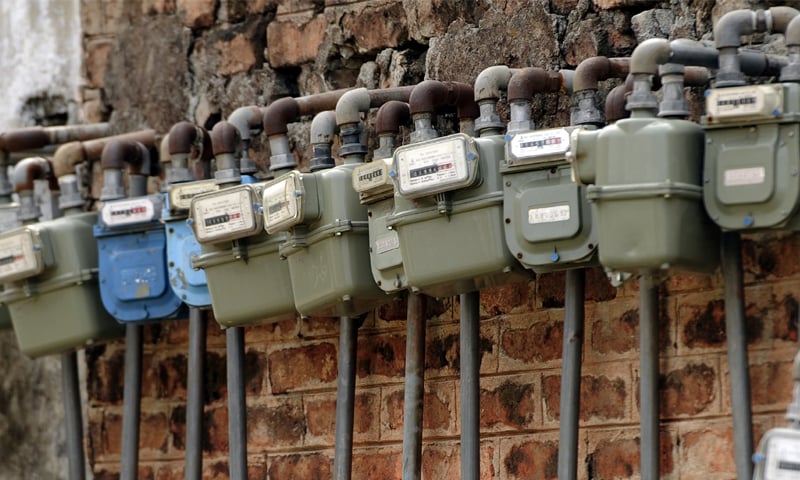
To curb theft, which committee member Syed Naveed Qamar said often involves collusion, the government has rolled out feeder-to-feeder monitoring across the network. Internet-of-things systems at town border stations now trigger automatic alerts for pressure drops, enhancing oversight and service.
Domestic supplies have ramped up this winter, with SNGPL delivering an extra 61 million cubic feet per day in November and 95 million in December compared to last year. Gas hours have stretched from 5 a.m. to 10 p.m., and no local fields are curtailed. Extra volumes are flowing to power plants beyond their indicative demand to stave off blackouts.
In a boost for supply management, Pakistan wrapped up talks with Qatar to redirect surplus liquefied natural gas cargoes to global markets without breaching contracts. “Qatar has been a valuable and reliable supplier, honoring its commitments at a time when many global suppliers defaulted,” Malik said. “Pakistan highly values this strategic relationship and has reached a mutually acceptable solution regarding excess LNG cargoes.”
The government is also partnering with the World Bank to bolster the Directorate General of Petroleum Concessions. Committee members praised the advances in governance and consumer relief, though Mahmood flagged poor use of corporate social responsibility funds and called for a new oversight body.
Copyright © 2021 Independent Pakistan | All rights reserved