By Staff Reporter
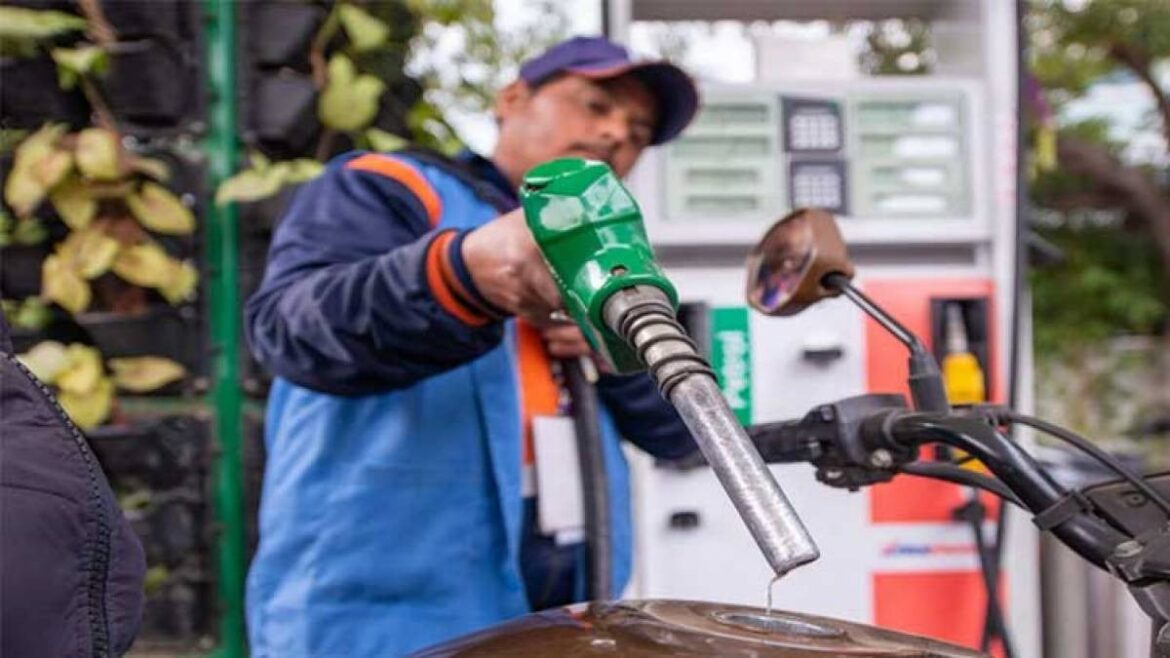
ISLAMABAD: Prime Minister Shehbaz Sharif said his government will shoulder the full cost of a fresh surge in international oil prices rather than pass it on to consumers, absorbing an additional Rs69 billion in subsidies to prevent petrol and high-speed diesel from rising as much as Rs127 and Rs252 a liter respectively.
Speaking to the nation late on Friday, on the eve of Eid al-Fitr, Sharif rejected advice from advisers to implement another round of price increases, saying he was unwilling to add to the hardship already caused by a Rs55-a-litre hike imposed two weeks earlier. The decision comes as crude oil prices have climbed to historic levels following attacks on energy infrastructure in Gulf states and disruptions linked to the conflict involving the US, Israel and Iran.
“In the context of the current situation, this Eid specifically demands from us humanity, national unity and collective responsibility,” Sharif said. “I think the real happiness of Eid is fulfilled when we share it with the needy and deserving around us and extend them the hand of kindness.”
The prime minister described the world as undergoing an “unusual test,” warning that the regional war has “not only shaken the international economy and peace but also badly affected the common man’s daily life.” Attacks on Gulf energy facilities have heightened fears that the crisis could “become even more severe and longer,” he added, with oil prices rising “sky-high” in a short span and further increases possible.
Sharif acknowledged the pain inflicted by the previous Rs55-per-litre increase, which he said had already strained household budgets. He thanked Pakistanis for their “patience, steadfastness and understanding,” but made clear that a further adjustment was off the table. “I was advised to raise prices again, but I rejected it because I knew that the previous increase had already become a heavy burden on your ability to bear,” he said. “A further increase in such a situation would have strongly affected the common man’s life.”
To cover the shortfall, the government will absorb Rs24 billion from the latest price movement through budget cuts and reduced development spending. An additional Rs45 billion will be shouldered for the past week’s increase, bringing the total relief provided so far to Rs69 billion. The premier said his “greatest priority” is protecting the most vulnerable segments of society.
The measures have not been without distortion. Sharif noted that some higher-income groups have benefited from the blanket subsidy and directed ministries to develop a targeted mechanism “which ensures that government relief is limited only to those who are deserving of it.”
The decision to freeze petrol and high-speed diesel prices last week — while hiking kerosene and light diesel oil — came after the government had already raised both fuels sharply by 20%, at the start of the month. That increase exceeded the rise in international benchmarks because authorities collected extra revenue from petrol users to subsidize diesel, which is heavily used in public transport and agriculture.
Officials had expected the government to absorb the impact of oil-price increases of as much as Rs49 a liter for high-speed diesel and Rs29 a liter for other diesel grades through price differential claims. Instead, the administration chose to maintain the petroleum levy and provide explicit subsidies.
A committee to monitor petrol prices was told Monday that stocks are sufficient to cover March and extend into mid-April, based on current import schedules. Petroleum Secretary Hamed Yaqoob Sheikh told a Senate panel that the country holds diesel reserves for 21 days, petrol for 27 days, liquefied petroleum gas for nine days and JP-1 aviation fuel for 14 days.About 70% of Pakistan’s petroleum supplies come from the Middle East, and regional tensions have begun to disrupt vessel movements, Sheikh said.
Sharif framed the subsidies as a temporary bridge, not a permanent fix. “It was not a solution that could last for long,” he said, adding that the government would continue absorbing costs “as much as possible to protect the nation and provide relief to the poor.”
Copyright © 2021 Independent Pakistan | All rights reserved