By Staff Reporter
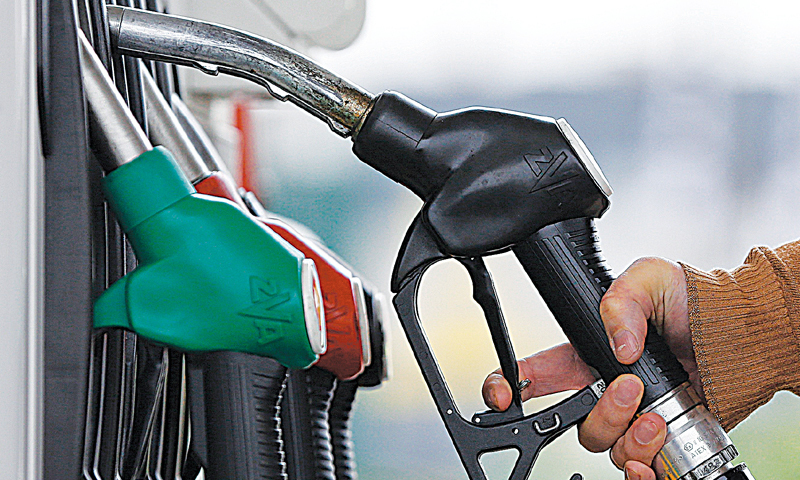
ISLAMABAD: The government lowered the price of high-speed diesel by Rs32.12 a liter to Rs353.43, passing on the sharp drop in global crude prices triggered by Iran’s decision to reopen the Strait of Hormuz during a ceasefire.
Prime Minister Shehbaz Sharif approved the reduction on Friday, according to a statement from his office. The new price takes effect at midnight. Sharif directed authorities to ensure the benefit reaches consumers “as soon as possible,” the statement said.
The move comes after weeks of volatile fuel-price adjustments in Pakistan, where the government first raised prices sharply in response to the US-Israeli conflict with Iran and then repeatedly trimmed them as international benchmarks eased. On March 6, shortly after the outbreak of hostilities, authorities increased both petrol and diesel prices by Rs55 a liter. Three times in the following weeks, Sharif said he had rejected recommendations for further increases despite rising global oil costs.
On April 2, Petroleum Minister Ali Pervaiz Malik and Finance Minister Muhammad Aurangzeb announced a 43% rise in petrol prices and a 55% jump in high-speed diesel, alongside a new targeted subsidy program. The next day, Sharif cut the petroleum levy by Rs80 a liter, bringing petrol down to Rs378. On April 10, diesel prices were reduced by Rs135 a liter and petrol by Rs12. Friday’s cut trims diesel from Rs385.54 a liter.
The government said the decision is a relief for the public amid lower international oil costs. The timing aligns with a steep selloff in crude markets. Brent crude futures fell $12.87, or 12.95%, to $86.52 a barrel by mid-morning in New York, after touching a session low of $86.09. West Texas Intermediate crude dropped $13.50, or 14.26%, to $81.19, hitting an intraday low of $80.56. Both contracts posted their largest one-day declines since April 8 and traded at their lowest levels since March 10.
The plunge followed statements from Iranian Foreign Minister Abbas Araqchi that the Strait of Hormuz would remain open to commercial shipping for the duration of the ceasefire, and from US President Donald Trump that Iran had agreed never to close the waterway again. The strait, which normally carries about one-fifth of global oil and significant volumes of liquefied natural gas, had been effectively shut amid months of regional conflict.
“Comments from Iran’s foreign minister indicate a de-escalation as long as the ceasefire is in place,” Giovanni Staunovo, an analyst at UBS, said. “Now we need to see if the number of tankers crossing the Strait increases substantially.” Markets are still weighing how quickly shipping volumes will recover and how long the truce will hold. Even after the day’s drop, analysts noted that uncertainty lingers over the durability of the ceasefire and the pace at which energy flows through the chokepoint might normalize.
Copyright © 2021 Independent Pakistan | All rights reserved