By Staff Reporter
ISLAMABAD: The government extended its austerity and fuel conservation program by nearly three weeks on Wednesday, pushing the expiry date to June 30 and granting small grocery and neighbourhood convenience stores an extra hour of trading time each day, in the latest adjustment to a belt-tightening drive that has reshaped the country’s commercial calendar since March.
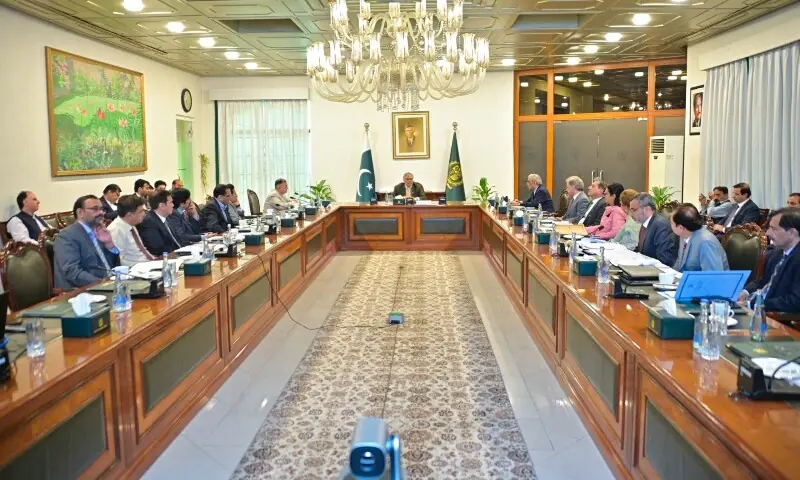
The decisions emerged from a meeting of the Committee for Monitoring and Implementation of Fuel Conservation and Additional Austerity Measures, chaired by Deputy Prime Minister and Foreign Minister Ishaq Dar. The session reviewed exemption requests filed by multiple ministries and divisions before finalising a package of recommendations, according to a statement issued by Dar’s office.
The committee approved extending closing time for standalone grocery and kiryana stores to 10pm daily, including weekends — an hour later than the general retail cut-off of 9pm set under revised business-hour rules issued on June 3. Restaurants and eateries retain their 11pm closing time under that framework, while marriage halls and event venues remain capped at 10pm. Takeaway and delivery services are exempt, as are pharmacies, hospitals, fuel stations and IT and telecommunications services.
In a separate move aimed at easing a bureaucratic bottleneck, the committee directed that consular attestation services at the Ministry of Foreign Affairs and its liaison offices in Quetta, Karachi, Peshawar, Gujrat and Lahore operate on Fridays as well as the standard working week. The decision addresses a gap created when the government reduced the working week for all federal offices to four days — Monday through Thursday — as part of the original austerity package.
The measures now in force include a 50% cut in fuel allocations for official vehicles, the grounding of 60% of the government’s non-operational fleet, and a blanket ban on overseas travel by ministers and officials except where trips are judged essential to national interests.
The program was first announced on March 9 after an escalation of hostilities between Iran, Israel and the United States sent international oil prices surging and ballooned Pakistan’s import bill. Iran’s closure of the Strait of Hormuz amplified the supply shock, forcing Islamabad to raise petroleum prices several times — with the steepest increases concentrated in April. The measures were rolled out across Punjab, Khyber Pakhtunkhwa, Balochistan, Islamabad Capital Territory, Gilgit-Baltistan and Azad Jammu and Kashmir.
The government temporarily relaxed the restrictions ahead of Eid ul Adha, with provincial and federal authorities granting a series of exemptions through May, before reinstating the curbs. Prime Minister Shehbaz Sharif approved the first formal extension of the program last month, pushing the original deadline from early June to June 13. Wednesday’s decision marks the second extension.
The June 3 revision to commercial operating hours was framed by officials as a practical concession to Pakistan’s summer conditions — longer daylight hours and rising temperatures — rather than a retreat from the broader conservation agenda.
Wednesday’s committee meeting was attended by the ministers for petroleum, climate change, and information technology and telecommunications; the special assistant to the prime minister on finance; the special assistant to the deputy prime minister; and the cabinet, commerce, petroleum, and IT secretaries, along with senior officials from the foreign ministry and other relevant departments.
Copyright © 2021 Independent Pakistan | All rights reserved