By Staff Reporter
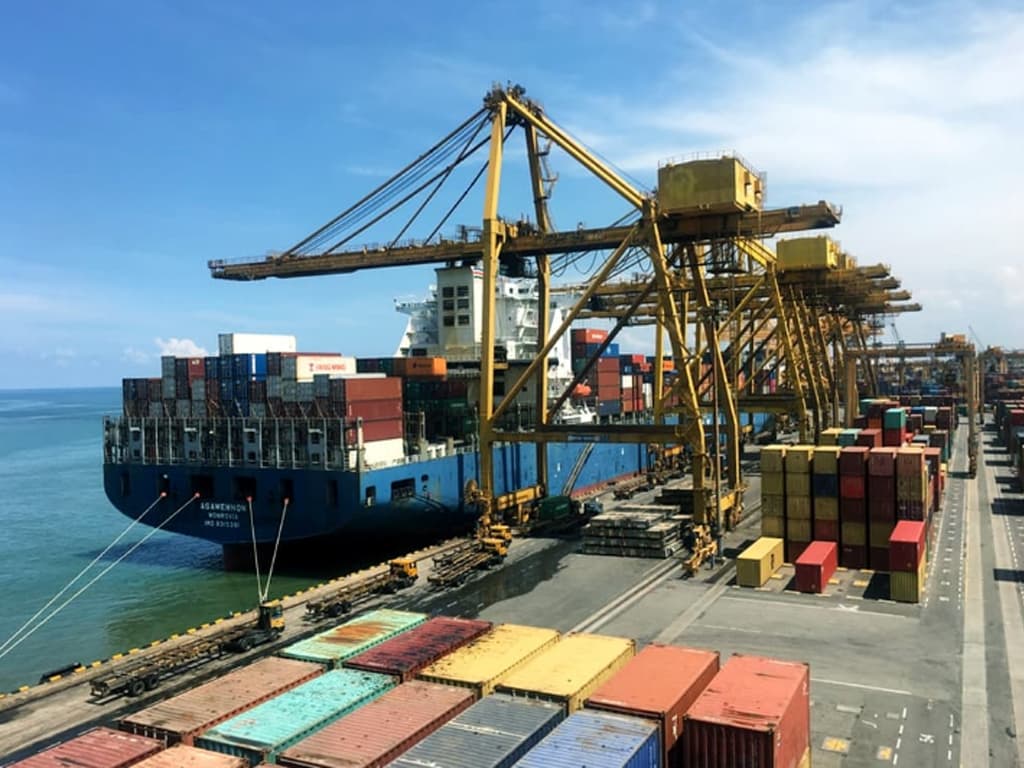
KARACHI: Pakistan’s exports climbed 10% at the start of the new fiscal year, a gain textile industry representatives say risks being undercut by a faster increase in imports of consumer goods that don’t feed back into the country’s manufacturing base.
Total exports reached $2.96 billion in July, the first month of fiscal year 2026-27, up from $2.69 billion a year earlier, according to figures published by the Pakistan Textile Exporters Association. The group, in a post on X, called the reading “a healthy start and one worth building on,” crediting textiles as the primary driver.
Textile shipments rose 9% to $1.83 billion from $1.68 billion in July 2025, the PTEA said, with the sector holding its position as the backbone of the country’s export economy at roughly 62% of the total. The association described the showing as encouraging while cautioning that output remains well short of the industry’s capacity.
The bigger flag, in the PTEA’s telling, is on the other side of the ledger. Imports of consumer goods jumped more than 27% in July, a pace the association said reflects consumption rather than the kind of productive spending that builds future export capacity. Left unchecked, it warned, that pattern widens the trade deficit without adding anything to the country’s ability to earn foreign exchange down the line.
The picture is more mixed elsewhere in the import data. Capital goods imports rose over 43%, which the PTEA read as a signal of stronger machinery and equipment inflows tied to investment and capacity expansion — a leading indicator, potentially, for future production. Raw material imports increased more than 23%, a trend the association said could likewise prove constructive if the inputs are destined for export-oriented manufacturing rather than domestic consumption. Agricultural imports rose a more modest 2%.
Distinguishing between these categories matters, in the PTEA’s view, because not all import growth carries the same weight for an economy that has spent years trying to close a persistent trade gap. Machinery and raw materials feeding export production represent the kind of import bill Pakistan can, in effect, grow into. Consumer goods bought for domestic use do not offer the same payback.
The association placed the July numbers inside a longer-running critique of how Pakistan’s export sector has performed over time. Rather than a steady climb, it described a pattern of episodic bursts of growth followed by pullbacks, stretching back decades — evidence, in its view, that the country’s underlying trade challenges are structural rather than a function of the business cycle.
Fixing that, the PTEA argued, requires more than another round of incentives layered on top of the existing system. It pointed to a list of chronic friction points — input costs, energy pricing, delayed tax refunds, overlapping provincial taxation, logistics bottlenecks and certification hurdles — and said the export ecosystem needs a genuine overhaul rather than temporary patches applied one at a time.
Underlying all of it, the association said, is a demand for policy consistency. Exporters commit capital on multi-year horizons, not on a quarter-to-quarter view, and that kind of commitment depends on knowing the rules won’t shift midstream. Piecemeal measures, frequent reversals, delayed implementation and stop-go policy cycles, the PTEA said, erode exactly the predictability that long-term investment decisions require.
Copyright © 2021 Independent Pakistan | All rights reserved