By Staff Reporter
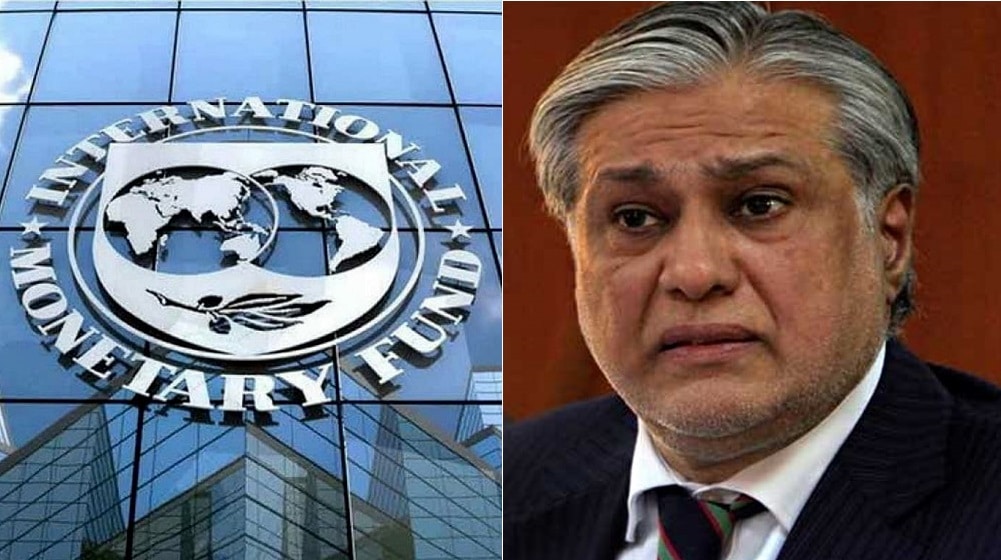
KARACHI: Pakistan’s government has drawn criticism from the International Monetary Fund for its budget, which the fund said was inadequate to meet the objectives of its $6.7bn loan program, raising doubts over whether the country will be able to secure the next tranche of aid by the expiry of Fund’s programme at the end of June.
The tax policies in the new budget, unveiled last week, miss “an opportunity to broaden the tax base in a more progressive way, and the long list of new tax expenditures reduces further the fairness of the tax system,” Esther Perez Ruiz, the IMF’s resident representative in Pakistan, said in a statement.
She added new expenditures also undercut the resources needed for vulnerable recipients in the Benazir Income Support Programme. “The new tax amnesty runs against programme’s conditionality and governance agenda and creates a damaging precedent,” added Perez Ruiz.
Perez Ruiz said measures to address the energy sector’s liquidity pressures could be included alongside the broader budget strategy.
“The IMF team stands ready to work with the government in refining this Budget ahead of its passage,” implying the country still has a chance to unlock its ninth IMF board review prior to the end of the EFF programme.
The IMF’s rebuke comes as Pakistan faces a $6 billion shortfall in its IMF programme and has only enough foreign exchange reserves to pay for a month of imports.
Pakistan needs to address three issues to resume the IMF programme, including restoring the foreign exchange market, passing a budget aligned with the IMF’s goals, and securing financing to fill an external account gap.
The IMF has delayed the release of $1.1 billion tranche due in November. Pakistan has one last chance to secure the ninth tranche before the EFF expires.
The IMF criticised Pakistan’s new tax proposal that would raise the limit for foreign remittances to be exempt from scrutiny to $100,000 from $30,000.
The proposal, part of the budget for the fiscal year 2023-24, aims to ease the burden on overseas Pakistanis who send money back home. But the IMF said it could create a loophole for tax evasion and money laundering.
Moody’s Investors Service also warned on Wednesday that Pakistan was at an increased risk of defaulting on its debt obligations without the IMF support.
Pakistan has received about $3.9 billion from the IMF since July 2019, when it agreed to a three-year loan deal. The IMF board has not scheduled a meeting to review Pakistan’s progress as of Thursday morning.
Copyright © 2021 Independent Pakistan | All rights reserved