By Staff Reporter
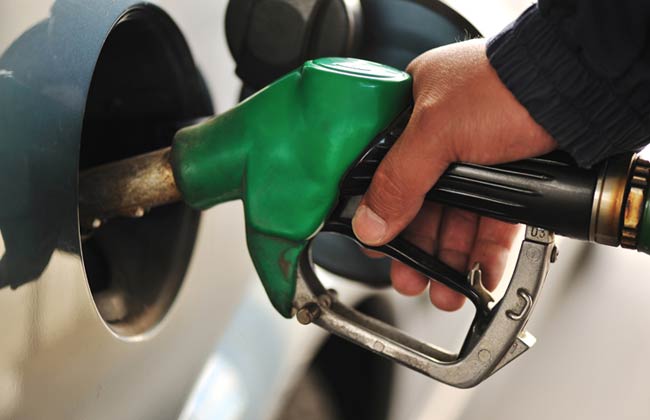
ISLAMABAD: The caretaker government raised the prices of petrol and diesel by up to 6.3 percent on Thursday, citing a surge in global oil prices and a weak rupee that pushed the cost of fuel beyond 300 rupees per litre for the first time in history.
The finance ministry said in a statement that the new prices of petrol and high-speed diesel (HSD), which are widely used in transport and agriculture sectors, would be effective from September 1 to September 15.
The price of petrol increased by Rs14.91 to Rs305.36 per litre, while the price of HSD hiked by Rs18.44 to Rs311.84 per litre, the statement said.
The ministry also raised the petroleum levy on petrol by Rs5 to Rs60 per litre, the maximum permissible limit, adding to the burden on consumers who are already facing high inflation and power tariffs.
The government did not change the prices of kerosene and light diesel oil, which are mainly used by low-income households.
The ministry said the increase in fuel prices was due to the rising trend of petroleum prices in the international market and exchange rate variations.
The rupee depreciated by about 7 percent against the dollar in August.
The rupee’s free fall and the dollar’s seemingly unstoppable rise have made the former almost irrelevant to the economy. The rupee fell another Rs1.09 against the dollar on Thursday to close at Rs305.54 in interbank while the open market price was quoted as Rs323 — an increase of Rs3.5 in one day.
The interim government, which took over in August after the completion of the five-year term of the last parliament, has been struggling to cope with a balance of payments crisis that has depleted foreign exchange reserves.
Analysts said the country is bracing for a surge in inflation after fuel prices climbed to record highs, putting pressure on the central bank to tighten monetary policy further.
The country’s consumer price index is expected to rise to as high as 28 percent in August, according to analysts, far exceeding the government’s target of 21-22 percent. The main driver of inflation is the hike in fuel prices and power tariffs.
The State Bank of Pakistan (SBP) has already raised its benchmark interest rate to 22 percent, the highest in Asia, to curb inflation and stabilize the currency.
However, analysts say that another rate hike may be inevitable if inflation continues to rise.
“The SBP will have no choice but to increase the interest rate by another 200 to 250 basis points in the next monetary policy announcement due this month,” a Karachi-based economist said. “This will have a negative impact on the economic growth, which is already sluggish due to structural issues.”
Copyright © 2021 Independent Pakistan | All rights reserved