By Staff Reporter
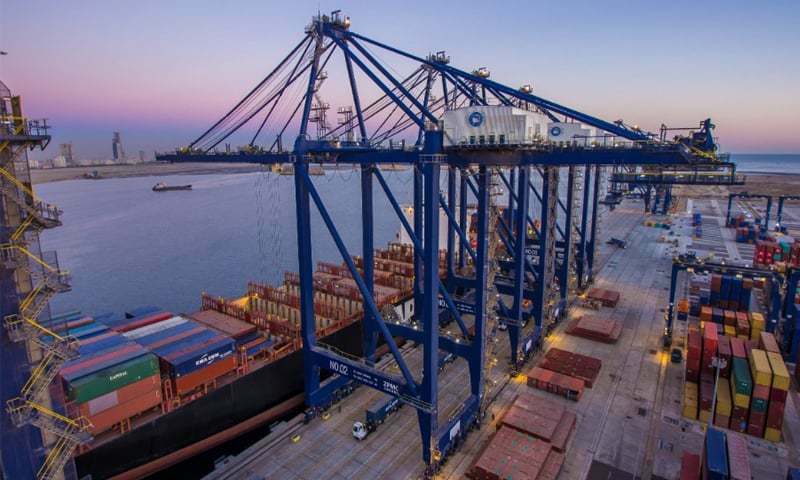
KARACHI: The operator of Karachi’s main container and bulk terminal plans to invest up to $100 million over the next five years, betting that a cargo surge triggered by the disruption of maritime traffic during the U.S.-Israel war on Iran can be converted into durable regional shipping gains for Pakistan.
Karachi Gateway Terminal Ltd (KGTL), backed by Abu Dhabi Ports Group, has already spent $60 million dredging Karachi Port to allow it to receive vessels carrying up to 120,000 metric tonnes of bulk cargo — double the previous limit of around 60,000 tonnes. Formal revised handling parameters from the Karachi Port Trust are expected within days, the company’s chief executive said.
“We are targeting another $75 million to $100 million” in fresh capital over the next five years, Khurram Aziz Khan told Reuters in an interview in Karachi, outlining plans that span expanded container capacity, larger ship and yard cranes, dedicated bulk export infrastructure, grain silos, warehouses and automated conveying systems.
The investment push comes as Pakistan’s port operators seek to capitalise on an unexpected windfall from the Iran conflict, which forced global shipping lines to reroute cargo through Karachi for onward transshipment — an activity the country had virtually no history of handling at scale.
“Pakistan has never really handled transshipment volume,” Khan said. “This conflict has created this opportunity for Pakistan.”
Slashing turnaround times
KGTL is upgrading its bulk terminal with the aim of cutting the handling time for a 60,000-tonne vessel to between 2.5 and 3 days, from the current 12 to 15 days — a reduction that port officials say would make Karachi meaningfully competitive with established regional hubs. The company is also building silo capacity of 8.5 million tonnes annually for clean bulk cargo, targeting food security storage alongside bulk-export warehouses and systems to handle fertiliser imports.
Whether those gains endure will hinge partly on infrastructure well beyond the quayside. Khan said road and rail connections to the port remain a binding constraint, and KGTL is exploring direct investment in freight rail — including locomotives, rolling stock and inland storage hubs positioned near agricultural production zones — to bring Pakistan’s grain and rice exports to market more competitively.
“For transit as well, you need to provide a complete solution,” he said. “We are ready to invest in that as well, to bring our own rolling stock and locomotive for the freight trains business.”
Freight costs in focus
The investment plans align with a broader push by Islamabad to reduce freight costs, which Pakistani exporters have long cited as a structural drag on their competitiveness. Pakistan’s cargo volumes and port efficiency metrics have historically lagged peers across South and Southeast Asia.
KGTL’s next investment phase will focus on expanding the container terminal and enhancing yard capacity alongside the bulk infrastructure, Khan said, without providing a timeline for individual project milestones.
Abu Dhabi Ports Group, which operates ports and logistics assets across the Middle East, Africa and the Indian subcontinent, took a strategic stake in KGTL as part of a broader push into South Asian maritime infrastructure.
Copyright © 2021 Independent Pakistan | All rights reserved