By Staff Reporter
ISLAMABAD: The Taliban government is urgently pushing Afghan merchants to redirect trade toward Central Asia’s oil-rich republics, seeking to break decades of reliance on Pakistan after the most serious armed clashes in years and a month-long border shutdown that cost traders hundreds of millions of dollars.
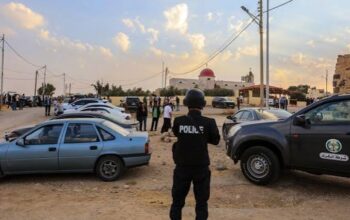
Senior Taliban officials have told business leaders to wind down operations in Pakistan and pursue opportunities in Uzbekistan, Kazakhstan, Turkmenistan, Kyrgyzstan and Tajikistan. “We are actively working with our northern neighbours to find reliable trade alternatives,” Nooruddin Azizi, the Taliban minister of commerce, said last week. The campaign follows weeks of recrimination between Kabul and Islamabad. Pakistani and Taliban forces traded artillery and small arms fire the previous month along the disputed Durand Line, leaving dozens dead on both sides.
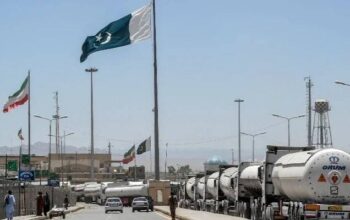
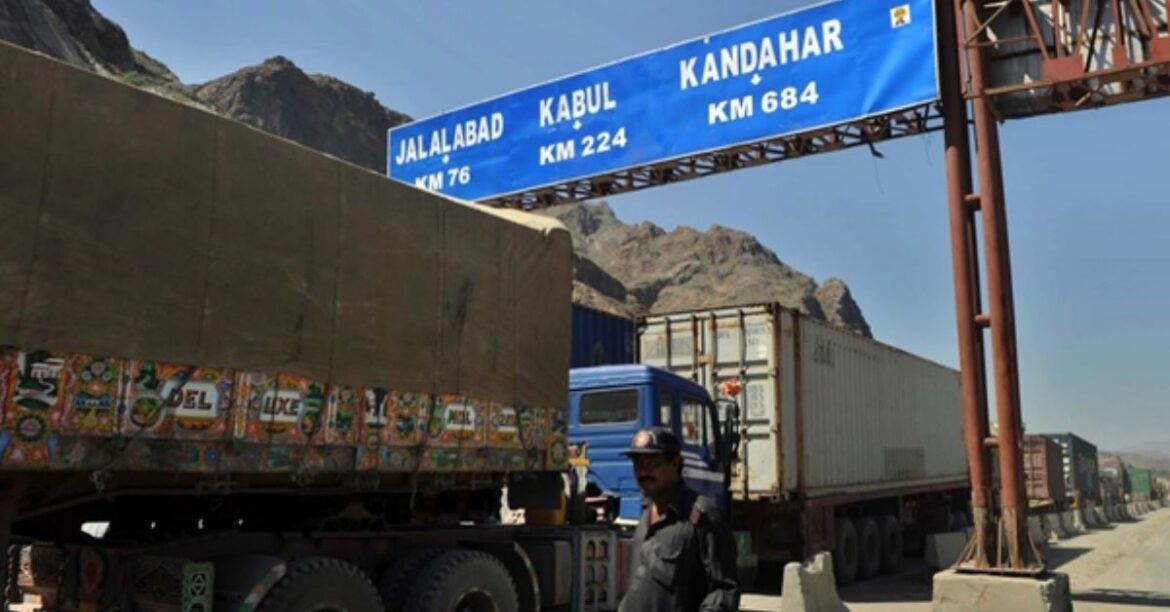
Pakistan responded by closing the vital Torkham and Chaman crossings for nearly a month, stranding thousands of trucks and disrupting the flow of everything from fresh fruit to cement. Afghan exporters estimate the closure cost them roughly $200 million. Pakistan, which normally sends $100 million to $200 million worth of goods, fresh produce, medicines, fabrics, shoes, cosmetics and, other manufactured items into Afghanistan each month, also suffered sharp losses.
Abdul Ghani Baradar, a deputy prime minister in the Taliban government, accused Pakistan of wielding trade as a “tool of political pressure” and said the episode proved Kabul must end its dependence on its southern neighbour.
Yet analysts say geography, cost and the Taliban’s pariah status make a rapid pivot northward all but impossible. “It’s largely political posturing,” said Torek Farhadi, a Swiss-based Afghan economist who previously advised the Western-backed government told Radio Free Europe/Radio Liberty.
Central Asia is landlocked, he noted, and moving goods north means longer, costlier overland routes with underdeveloped cold storage and rail links. Tariff barriers in Central Asian states further erode the competitiveness of Afghan fruit, vegetables and other agricultural exports. “To make the northern route commercially viable, Afghanistan would need to remove tariffs and offer incentives to its Central Asian partners,” Farhadi said. “But for the government in Kabul, customs revenue is one of their primary income sources.”
The Taliban’s lack of international recognition also blocks access to World Bank and IMF financing that could bankroll missing sections of railway and modern border infrastructure. Trade with the five Central Asian republics has grown steadily, Afghan officials put the total at nearly $1.7 billion last year, but it remains a fraction of the commerce that still flows through Pakistan. Karachi’s port and the short overland haul from the border remain by far the cheapest, fastest route for Afghan goods to reach global markets and for imports to reach Afghan consumers.
“The reality is that Afghanistan’s shortest and cheapest route to seaports as well as India and other South Asian markets is through Pakistan,” said Azarakhsh Hafizi, former chairman of the Afghanistan Chamber of Commerce and a past member of the South Asian Association for Regional Cooperation’s business council. “We need all transit routes to remain open. It would benefit not only Afghanistan and Pakistan, but it is also important for regional economic integration.”
The Taliban’s northern overtures coincide with a fresh push for Central Asian unity. On Sunday in Tashkent, Uzbekistan’s president, Shavkat Mirziyoyev, proposed turning the region’s periodic summits into a formal “Community of Central Asia” to deepen economic, security and environmental ties across a market of more than 80 million people. Leaders of the five post-Soviet republics, Uzbekistan, Kazakhstan, Turkmenistan, Kyrgyzstan and Tajikistan, attended the Tashkent meeting, along with Azerbaijan’s president. No immediate commitments were announced, but the countries have warmed to one another in recent years, settling old border disputes and expressing interest in joint infrastructure and trade. Earlier this month all five Central Asian presidents traveled together to Washington for talks with President Trump — a rare joint diplomatic outing that underscored their growing coordination.
For Afghanistan’s traders, however, the promise of deeper Central Asian integration remains distant. Until rails are completed, tariffs eased and political recognition secured, most say they have little choice but to hope the border with Pakistan reopens soon — and stays open.
Copyright © 2021 Independent Pakistan | All rights reserved