By Staff Reporter
ISLAMABAD: Iranian Foreign Minister Abbas Araghchi returned to Pakistan on Sunday for a second round of talks with the country’s civil and military leadership, pressing Tehran’s conditions for ending the war with the United States and Israel even as President Donald Trump dismissed the latest Iranian overtures and told Tehran it could simply “call us” if it wanted to negotiate.
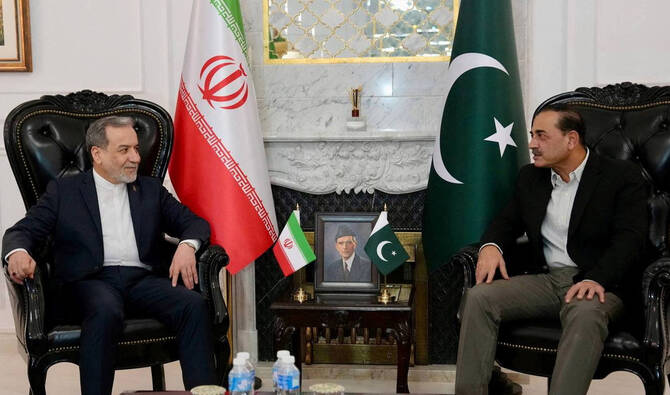
Araghchi, who had left Islamabad only the day before for consultations in Oman, met again with Pakistan’s Chief of Army Staff and Chief of Defence Forces, Field Marshal Asim Munir, and other senior officials, according to Iranian state media and Pakistani sources. The brief stopover at Nur Khan air base in Rawalpindi underscored Pakistan’s role as the central conduit for indirect diplomacy between Washington and Tehran at a moment when direct American engagement has stalled.
After the meetings, Araghchi departed for Moscow, completing the latest leg of a regional shuttle that began with his arrival in Islamabad late on Friday. Iranian state-run IRNA reported that he had handed over Tehran’s formal response to US proposals during his initial visit, outlining demands that include lifting the American naval blockade of Iranian ports, implementing a new legal regime governing the Strait of Hormuz, securing compensation for damages and obtaining guarantees against renewed military aggression.
While in Oman on Saturday, Araghchi held talks with Sultan Haitham bin Tariq al-Said focused on security in the Strait of Hormuz and broader diplomatic efforts to end the conflict. Oman’s foreign ministry said the sultan emphasized “the language of dialogue and diplomacy” to achieve sustainable political solutions and limit the impact of the crisis on the region’s peoples. Araghchi, according to Iran’s foreign ministry, called for a regional security framework free of outside interference and criticized the US military presence in the Middle East as a source of insecurity and division.
En route from Muscat to Islamabad, Araghchi held separate telephone conversations with the foreign ministers of Saudi Arabia and France and with Qatar’s prime minister, IRNA said. He briefed them on the objectives of his current travels and the consultations aimed at de-escalating tensions and halting what Tehran calls “the aggression imposed on Iran.”
The flurry of activity came hours after Trump, in a Sunday morning interview on Fox News’ “The Sunday Briefing,” reiterated that he had no plans to send his envoys back to Pakistan. “If they want to talk, they can come to us, or they can call us,” he said. “You know, there is a telephone. We have nice, secure lines.” He had abruptly canceled the planned trip by special envoy Steve Witkoff and senior adviser Jared Kushner on Saturday, telling reporters there was “no point sitting around talking about nothing” and describing Iran’s initial offer as inadequate. Trump added that Tehran had quickly submitted a revised proposal after the cancellation — “much better,” he said — but still not sufficient.
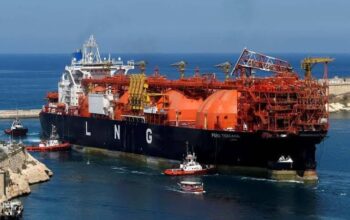
The president has maintained that the indefinite ceasefire announced on April 21 remains in place while awaiting what he called a “unified proposal” from Tehran. Yet he has not lifted the US blockade of Iranian ports, which was imposed in retaliation for Iran’s closure of the Strait of Hormuz. The narrow waterway, which normally carries about one-fifth of global oil and liquefied natural gas shipments, remains blocked, roiling energy markets and contributing to higher inflation worldwide.
The conflict began Feb. 28 with US-Israeli strikes on Iran. An initial round of indirect talks in Islamabad on April 11 and 12, led on the American side by Vice President JD Vance, produced no agreement but kept the channel open. Since then, exchanges have continued almost exclusively through Pakistani intermediaries. Pakistani officials described Sunday’s meetings as focused on keeping the process alive. Deputy Prime Minister and Foreign Minister Ishaq Dar announced afterward that traffic restrictions around the Serena Hotel and the capital’s Red Zone — imposed for the high-level visits — had been lifted.
In a post on X, Dar thanked residents of Islamabad and Rawalpindi for their patience and cooperation, saying it had allowed the government “to ensure the safety” of guests and advance regional peace efforts. “Pakistan remains committed to these goals,” he wrote, adding that the government continued to seek public prayers and well wishes.
A diplomatic source familiar with the discussions said Iran had stressed that any framework must be “rational and fair” and that negotiations could not proceed under duress while the blockade remained in place. At the same time, Tehran signaled willingness to stay engaged through Pakistan’s mediation without compromising its core sovereignty or security interests. The war has killed thousands, destabilised the Middle East and reignited fighting on the Lebanese front between Israel and the Iran-backed Hezbollah militia. Core sticking points include the future status of the Strait of Hormuz, long-term constraints on Iran’s nuclear program and the sequencing of any concessions.
Araghchi’s rapid return to Islamabad — his second visit in as many days — and his subsequent departure for Moscow illustrated the relentless pace of shuttle diplomacy even as Washington appeared content to wait for Tehran to make the next move. Pakistani officials have cast themselves as “honest and sincere facilitators,” a role both sides have so far accepted, however grudgingly.
Copyright © 2021 Independent Pakistan | All rights reserved