By Staff Reporter
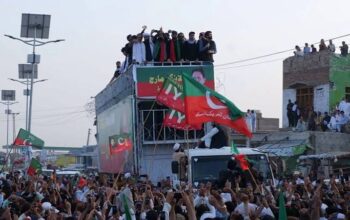
LAHORE: Ruling Pakistan Muslim League Nawaz supremo Nawaz Sharif broke his public silence on the spiralling crisis in Azad Jammu and Kashmir on Wednesday, calling on protesters to abandon their sit-ins and engage in dialogue with the government, as fresh figures revealed that clashes between demonstrators and security forces had killed at least 22 people in less than a fortnight.
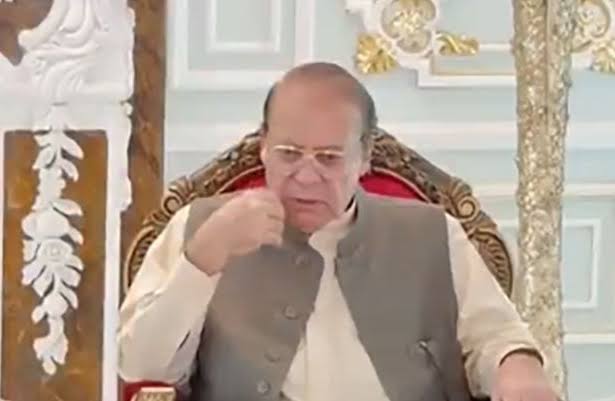
The three-time former prime minister, who returned to Lahore only the previous day after roughly three weeks abroad in Switzerland and Saudi Arabia, chaired an emergency meeting of senior PMLN figures, including representatives of the party’s AJK chapter, who had pressed him to intervene in what has become one of the most volatile episodes of unrest in the disputed Himalayan territory in years.
“Under the Interim Constitution Act of 1974, the people of AJK enjoy full civil liberties and democratic rights. I urge them to end sit-ins and protests and instead engage in meaningful dialogue,” Sharif said in remarks read out by Punjab Senior Minister and PML-N central spokesperson Marriyum Aurangzeb. “Such a situation should never have arisen. This country belongs to all of us, and we must live together as brothers.”
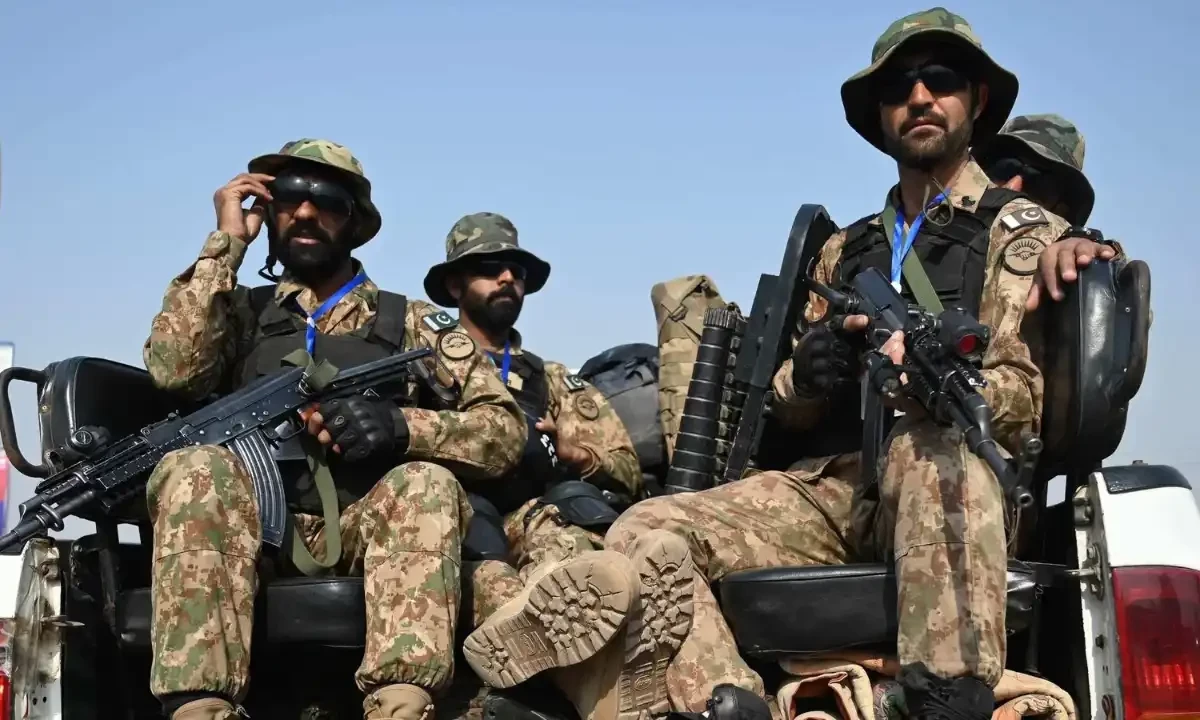
His appeal came as an AFP tally placed the death toll from clashes since 5 June at 22, up from 20 confirmed the previous Friday. Among the dead are four law enforcement personnel. Police say a further 89 officers have been wounded, and 425 people linked to the protest movement have been arrested since the unrest began in early June.
Sardar Waheed, the most senior civilian official in Rawalakot — one of the focal points of the disorder — confirmed that two additional fatalities had occurred in recent days, pushing the toll beyond figures that already represented the worst bloodshed the region had seen since September, when nine people were killed in a previous wave of protests led by the same movement.
At the heart of the crisis is the Joint Awami Action Committee, a broadly based anti-government coalition that has channelled widespread public anger over electricity tariffs, inflation, the cost of living, and — most immediately — the existence of 12 seats in the AJK legislative assembly reserved for refugees from Indian-administered Kashmir who migrated to Pakistan after 1947. The AJK government declared the JAAC a proscribed organisation under the Anti-Terrorism Act on 5 June, days before the movement had planned a major demonstration against those reserved seats. JAAC supporters have denounced the ban as oppression, insisting they are pressing for legitimate economic and political rights.
The consequences for ordinary residents have been severe. Protests, sit-ins and business strikes have paralysed daily life across much of the territory, with widespread mobile internet outages compounding the disruption. In the regional capital Muzaffarabad, streets were largely quiet on Tuesday, but residents described mounting difficulty in obtaining essential goods.
“I have been searching for medicine everywhere, but I cannot find it. Even big stores are closed,” Muhammad Masqeen, a 64-year-old Muzaffarabad resident, told AFP. For those who did find open shops, supply disruptions were already thinning the shelves. “For eight days, we have been going through very difficult times. Markets are closed, and there is very little to eat except vegetables,” said Sabar Hussain, 60.
Authorities said they had instructed shops to reopen and local government spokesman Shoaib Javed Mir said officials were working to head off any shortages of essential supplies, though residents’ accounts suggested those assurances had yet to translate into relief on the ground.
Sharif, in his remarks to the Lahore meeting, expressed sorrow over the loss of life on both sides. He called on the AJK government, the federal government and all political parties to work jointly to restore peace, stressing that any movement for public rights must operate within the constitutional framework. He also praised Federal Minister Amir Muqam for his efforts in organising election campaigns in Gilgit-Baltistan and Azad Kashmir, a pointed reminder that AJK elections are due at the end of next month — a timetable that the ongoing unrest now threatens.
“I hope that the people of AJK, the AJK government, the government of Pakistan, and all political parties will collectively contribute to restoring peace in the region and advancing the electoral process,” Sharif said. He added that all available resources should be directed towards the welfare of AJK’s population.
Reiterating the PML-N’s long-standing position on the broader Kashmir dispute, he called for the people of Indian-administered Jammu and Kashmir to be granted the right to self-determination in accordance with United Nations resolutions. “The people of Kashmir have rendered unparalleled sacrifices for Pakistan,” he said. “Pakistan has always regarded the Kashmiri struggle as its own and has consistently supported it. I appeal to the people of Jammu and Kashmir to maintain their ideological and emotional bond with Pakistan and remain peaceful.”
Sharif also used the occasion to caution against what he characterised as external attempts to exploit the crisis, warning that the achievements of Prime Minister Shehbaz Sharif’s government and the country’s security institutions made it all the more important to foster “brotherhood, harmony and tolerance” in both Pakistan and AJK. He urged those attending not to become part of any activity that could undermine those objectives.
Muslim-majority Kashmir has been divided between India and Pakistan since both countries gained independence from Britain in 1947, and is claimed in full by each. The Pakistani government and military regard Azad Kashmir — the portion under Islamabad’s administration — as especially sensitive, given the territory’s proximity to the Line of Control and the frequency with which bilateral tensions over Kashmir have escalated into open conflict.
Copyright © 2021 Independent Pakistan | All rights reserved