By Staff Reporter
ISLAMABAD: Finance Minister Muhammad Aurangzeb said the country’s debut sale of a yuan-denominated bond in China’s onshore market represents a transformational step that will pave the way for additional sovereign issuances and closer financial integration with Beijing.
The $258 million sustainable development bond, sold on Thursday in the world’s second-largest capital market, was the first under a 7.2 billion yuan ($1 billion) program that took two years to prepare in coordination with Chinese regulators, financial institutions and multilateral partners, the Finance Ministry said in a statement on Saturday.
Aurangzeb described the transaction as opening “a new chapter” in Pakistan-China economic cooperation by giving Islamabad direct access to one of the deepest pools of capital globally for the first time. The issuance, he added, reflects growing confidence among Chinese institutions and international investors in Pakistan’s macroeconomic stability, its reform agenda and the direction of its economy.
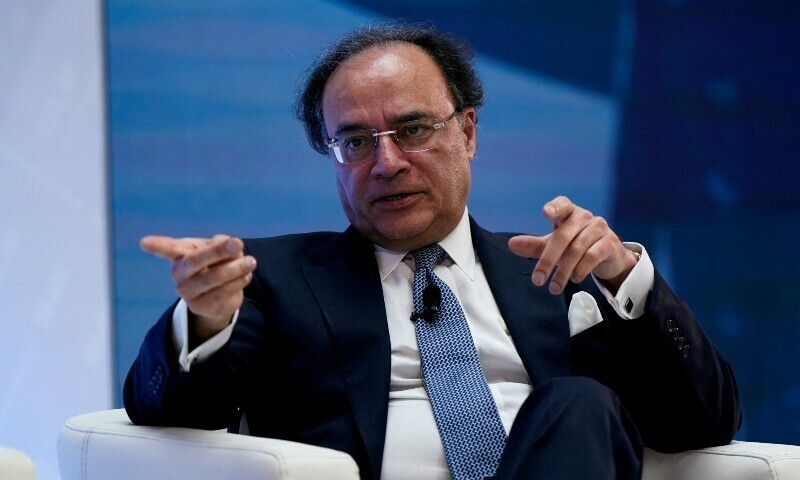
The minister spoke in an interview with China Global Television Network following the official signing ceremony in Beijing, which was attended by representatives from China’s Ministry of Finance and the People’s Bank of China. The transaction was supported by the Asian Development Bank and the Asian Infrastructure Investment Bank. “Pakistan’s issuance marked a transformational step,” the ministry quoted Aurangzeb as saying. He expressed appreciation for the support extended by the Chinese government, regulators, financial institutions and development partners that made the entry into China’s onshore bond market possible.
The debut comes as Pakistan works to diversify its funding channels, reduce reliance on traditional external financing and broaden its presence in international markets. Aurangzeb said the bond is significant not only for the country’s financing strategy but also for advancing the internationalization of the renminbi. Nearly one-quarter of bilateral trade between Pakistan and China is already settled in renminbi or yuan, underscoring the deepening financial links between the two economies, he noted.
The minister voiced confidence that the successful placement would encourage future sovereign debt sales in China and foster even closer financial connectivity. The transaction fits into a broader evolution of Pakistan-China economic relations. While the first phase of the China-Pakistan Economic Corridor under Beijing’s Belt and Road Initiative focused primarily on infrastructure, the second phase is shifting toward business-to-business collaboration, industrial cooperation and the monetization of existing assets, Aurangzeb said. He added that the strategic priorities of the two countries remain closely aligned on connectivity, trade, investment and sustainable growth.
Pakistan has also managed the immediate effects of regional conflicts—including procurement and logistics challenges—while preserving macroeconomic stability and keeping key economic indicators on a positive trajectory, the minister said. His government remains committed to structural reforms, fiscal discipline and investment-friendly policies aimed at delivering long-term, inclusive growth. Reforms in taxation, energy, state-owned enterprises and digital governance are already strengthening investor confidence and improving the country’s economic outlook, Aurangzeb said.
Panda bonds are yuan-denominated securities issued by foreign governments or institutions in China’s domestic debt market. The debut issuance gives Pakistan a new funding avenue at a time when it is seeking to stabilize an economy that has long depended on external support.
Copyright © 2021 Independent Pakistan | All rights reserved