By Staff Reporter
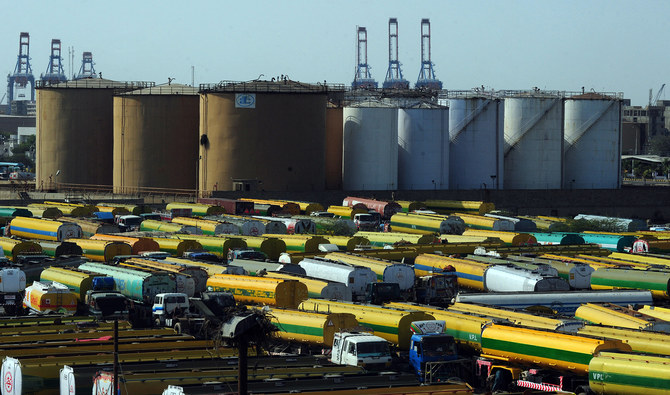
ISLAMABAD: The oil companies are pushing back against a government mandate to digitally integrate more than 32,000 fuel storage tanks, depots and petrol pumps within six to 12 months, citing prohibitive costs of as much as Rs60 billion and a lack of any plan to recover the expense.
In a formal letter to the Oil & Gas Regulatory Authority and the Petroleum Division, the Oil Companies’ Advisory Council, representing more than three dozen refineries and marketers, highlighted technical and financial hurdles while decrying the “dictatorial” nature of the directives, which it said couldn’t be met on such a compressed timeline.
The Oil Marketing Association of Pakistan, a group of smaller players, lodged a similar protest. The clash underscores mounting tensions in Pakistan’s energy sector, where regulators are racing to modernise oversight amid Prime Minister Shehbaz Sharif’s push for greater transparency in fuel distribution. Yet industry executives argue the ambitious rollout overlooks practical realities, potentially straining already thin margins and risking operational disruptions.
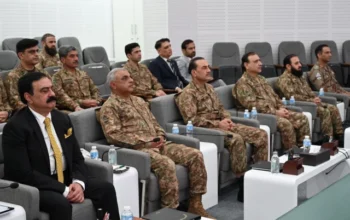
An industry executive described a tense meeting convened by Ogra Chairman Masroor Khan with the chief executives of oil marketing companies. The regulator warned of punitive measures for missing milestones: digitising 600 installations by Jan. 31, 2026, with the balance completed by the same date in 2027. All 16,000 retail pumps must be linked by June 2026 under an automated tank gauging system, feeding data to a central dashboard for real-time tracking of every liter of fuel. “We were not allowed to speak and share ground realities,” the executive said. “The Ogra chairman tersely announced that the digital integration of the oil supply chain is the vision of the prime minister, and you have to comply with the given deadlines (Jan 31, 2026, and 2027). All I have to convey is that those failing will face punitive action.”
In response, a joint delegation from the advisory council and the marketing association held an emergency session with Petroleum Minister Ali Pervaiz Malik to voice their grievances. The minister directed the regulator to examine “addressing the areas highlighted by the industry” in pursuit of a collaborative revamp benefiting consumers, businesses and the economy, according to an official statement.
Industry representatives emphasised their backing for the digitisation drive but stressed that the required hardware isn’t readily available and demands custom design and manufacturing, entailing costs of 55 billion to 60 billion rupees. “We are already making hefty payments to Ogra and Pakistan Information Technology Board (PITB) for regulatory compliance and track & trace system, no more,” one said.
Following the Ogra gathering, oil executives convened separately and deemed the aggressive posture untenable. “Industry on its own would not foot such a big bill. Do they want us to go bankrupt?” asked a flabbergasted industry executive.
The advisory council swiftly fired off its protest letter, signed by Chairman Adil Khattak. “At the outset, we would like to express our concern that the meeting proceeded largely as a monologue by OGRA,” it stated. “Despite multiple attempts by OCAC to present the industry’s position, our repeated requests to speak were disregarded.” The group urged a phased rollout over at least five years for retail digitization and tank gauging, backed by a cost-recovery framework set by the regulator. The initiative’s scale — encompassing custom-built gauging units tailored to individual tank setups — necessitates extended lead times for sourcing, setup, integration and testing, the letter argued.
Compounding the strain, oil marketing companies’ margins have been frozen for two years, curbing their ability to shoulder fresh outlays. The industry also flagged ongoing expenditures for the Track and Trace System’s second phase under PITB’s auspices, with “no update, no completion timeline, and no demonstrable outcome from this expensive exercise.”
Copyright © 2021 Independent Pakistan | All rights reserved