By Staff Reporter
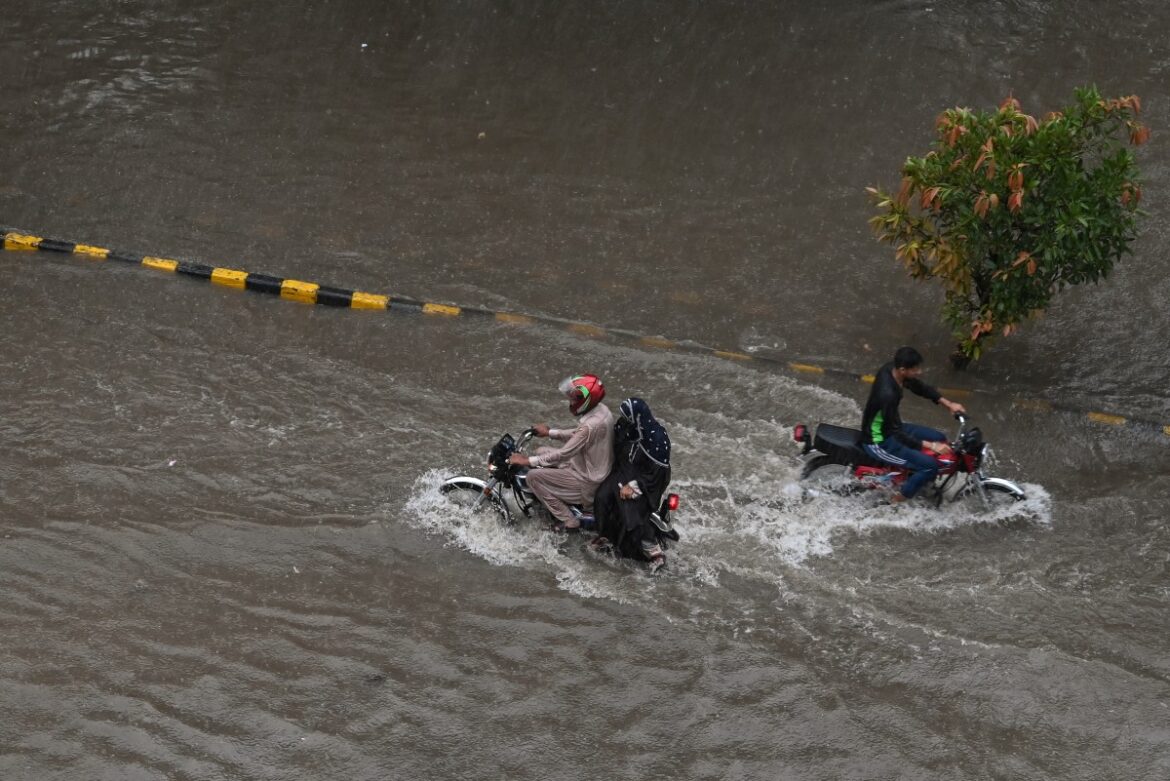
ISLAMABAD: Pakistan’s weather authorities warned on Monday that the first organised monsoon spell of the season would sweep across the country from July 1 to 6, bringing heavy rain, flash flooding and the risk of urban inundation to large swathes of the nation still recovering from successive years of devastating floods.
The Pakistan Meteorological Department said a westerly wave would move into the country’s upper regions from June 30, converging with moisture already streaming in from the Arabian Sea. A second moisture feed from the Bay of Bengal was expected to reach the north from July 2, the department said in an advisory, setting the stage for what forecasters described as a marked increase in rain, wind and thunderstorm activity.
“The first organised spell of the monsoon rainfall is expected to establish over Pakistan during the first week of July 2026, bringing a noticeable increase in rain-wind/thunderstorm activity across the northern and northeastern parts of the country,” the department said in a statement, adding that isolated heavy downpours could trigger urban flooding and flash floods in vulnerable hilly catchments.
The forecast carries particular weight in a country still scarred by the catastrophic floods of 2022, which killed more than 1,700 people, affected 33 million others and inflicted over $30 billion in economic losses in one of Pakistan’s worst climate disasters on record. Last year’s monsoon season brought further devastation, killing more than 1,000 people and damaging homes, infrastructure and farmland across several provinces. Scientists have repeatedly tied the country’s increasingly erratic weather patterns to climate change, citing heavier rainfall, more frequent flash floods and prolonged heat waves that are straining disaster response and water management systems.
Punjab and the federal capital are expected to bear an early brunt of the system. Rain and thunderstorms were forecast across northeastern and central Punjab, including Lahore, Rawalpindi, Islamabad, Murree and the Galliyat region, from July 1 to 6, with the meteorological department flagging isolated heavy downpours over northeastern Punjab and the Potohar plateau. Other parts of the province, among them Sahiwal, Multan, Bahawalpur, Dera Ghazi Khan and Muzaffargarh, were expected to see rain arrive later, from July 3 to 5, with intermittent breaks.
In Khyber Pakhtunkhwa, the department forecast widespread rainfall from July 1 to 5 across districts including Peshawar, Swat, Chitral, Abbottabad, Mansehra, Dir and Kohistan, warning that heavy rain in the province’s mountainous terrain could set off localized flash floods. Forecasters also flagged Mardan, Kohat, Bannu, Waziristan and Dera Ismail Khan among the areas likely to see scattered rain and thunderstorms during the period.
Azad Kashmir and Gilgit-Baltistan, both mountainous regions prone to landslides during heavy rain, were forecast to receive widespread rainfall through July 5 and 6. The meteorological department said the Neelum Valley, Muzaffarabad, Rawalakot and surrounding districts in Kashmir, along with Gilgit, Skardu, Hunza and other areas of Gilgit-Baltistan, faced an increased risk of landslides and flash flooding in local streams and nullahs.
Balochistan’s northern and northeastern districts, including Zhob, Sibbi and Dera Bugti, were expected to see scattered rainfall from July 1 to 4, while parts of upper Sindh, including Sukkur, Larkana and Jacobabad, were forecast to receive rain on July 3 and 4.
The meteorological department separately warned that the system could damage infrastructure such as solar panels, electric poles and billboards, and flagged a heightened risk of urban or flash flooding in Islamabad, Rawalpindi, Peshawar, Nowshera, Sialkot, Narowal, Gujranwala, Lahore and Faisalabad from July 1 to 4. It urged tourists to avoid travel to affected areas during the forecast period and advised farmers to adjust their crop activity accordingly, noting that the hot, humid conditions gripping much of the country would likely ease as the rains arrive.
Punjab’s Provincial Disaster Management Authority issued its own alert in response to the forecast. Director General Umar Javed said that on the instructions of Chief Minister Maryam Nawaz, commissioners, deputy commissioners and relevant institutions across the province had been directed to put advance security arrangements in place. Javed urged citizens to avoid open spaces during lightning and thunderstorms and to steer clear of unnecessary travel during periods of dust and strong wind. He also advised farmers to take preventive measures to safeguard their crops and urged tourists heading to the northern areas to stay informed of changing weather conditions. The authority’s helpline, 1129, would be available for citizens facing emergencies, he said. The PDMA separately warned of urban flooding risks in Rawalpindi, Gujranwala, Sialkot, Lahore and Faisalabad during the forecast period.
Copyright © 2021 Independent Pakistan | All rights reserved