By Staff Reporter
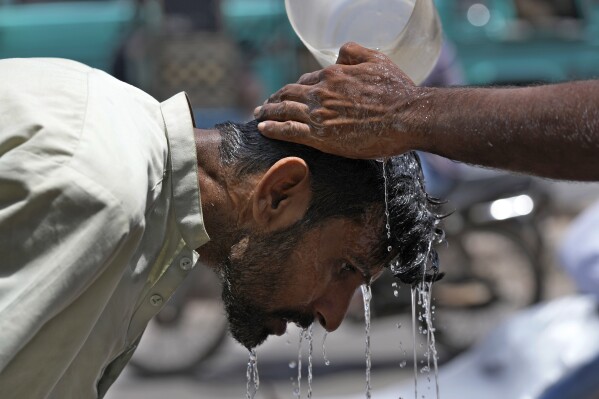
ISLAMABAD The meteorological authorities warned on Monday of mild heatwave conditions expected to grip the southern regions of the country later this week, even as a separate weather system promises temporary relief to the north and officials flagged the growing likelihood of a return of the El Nino climate pattern.
The Pakistan Meteorological Department said in an advisory that temperatures in southern areas, including parts of Punjab, Sindh and Balochistan, could climb sharply from April 29 through May 3. In the country’s vast plains, readings are forecast to run 4 to 6 degrees Celsius above normal, with many locations likely to see highs between 43 and 45 degrees Celsius (109 to 113 degrees Fahrenheit).
The department said it was monitoring the situation closely and would issue further updates if conditions intensified into a full heatwave. “If any heatwave is likely to develop, an update will be issued accordingly,” it said.
The alert comes as climatologists watch for signs of El Niño, the periodic warming of Pacific Ocean waters that can reshape global weather patterns. The PMD noted a 61 percent probability that El Niño conditions will emerge between May and July. The United Nations’ weather and climate agency said last week that the phenomenon could develop as early as May to July and is expected to return by mid-2026. El Niño, which alters wind, pressure and rainfall patterns across the tropics, contributed to record global heat in recent years: 2023 became the second-hottest year on record and 2024 the hottest, according to international data.
Pakistan’s most heat-prone regions — south Punjab, upper Sindh, and southern and eastern Balochistan — are already running 2 to 4 degrees Celsius above their typical temperatures for this time of year, the PMD said. May and June are normally the country’s hottest months, when temperatures in those areas can spike as high as 52 degrees Celsius (126 degrees Fahrenheit) during severe heat episodes. Normal highs there range from 43 to 45 degrees Celsius.
The meteorological department described the current outlook in measured terms. “The observed climate suggests that May and June are the hottest months during the year, while south Punjab, upper Sindh, southern/eastern Balochistan are heat-prone areas of the country, with temperatures sometimes shooting up to 52°C due to heatwave conditions,” it said.
Farther north, a different pattern is taking shape. A westerly weather wave is expected to sweep through the upper parts of Pakistan from the night of April 27 through April 29, and again from May 3 to May 5, the PMD said. That system should bring a modest cooling of 2 to 4 degrees Celsius during those periods. Yet forecasters cautioned that heat intensity is likely to rebound after May 1, with intermittent heatwave conditions possible in the south even as the northern relief arrives.
The alert echoes a nationwide warning issued last week by the National Disaster Management Authority, which through its National Emergencies Operation Centre cautioned of an intense heatwave across several regions through May 5. At the time, the authority urged local governments and residents to prepare for extreme temperatures. Pakistani officials and health experts have long stressed the dangers of such heat, particularly for the elderly, children and people with preexisting medical conditions. Public advisories on Monday repeated the standard precautions: avoid unnecessary exposure to direct sunlight, especially during peak afternoon hours, stay hydrated and seek shade or air-conditioned spaces when possible.
The El Niño Southern Oscillation and the Indian Ocean Dipole, two major climate drivers, currently remain in neutral phases, the PMD said. But it warned that the combination of seasonal heat and the potential arrival of El Niño could still produce extreme conditions across Pakistan’s low-lying plains. The country has faced increasingly severe heatwaves in recent years, part of a broader pattern of rising temperatures linked to climate change. Monday’s advisory did not address longer-term trends but focused on the immediate forecast and the department’s commitment to continuous monitoring. No major disruptions have been reported so far, but authorities in the affected provinces are expected to review emergency plans and public health messaging in the coming days.
Copyright © 2021 Independent Pakistan | All rights reserved