By Staff Reporter
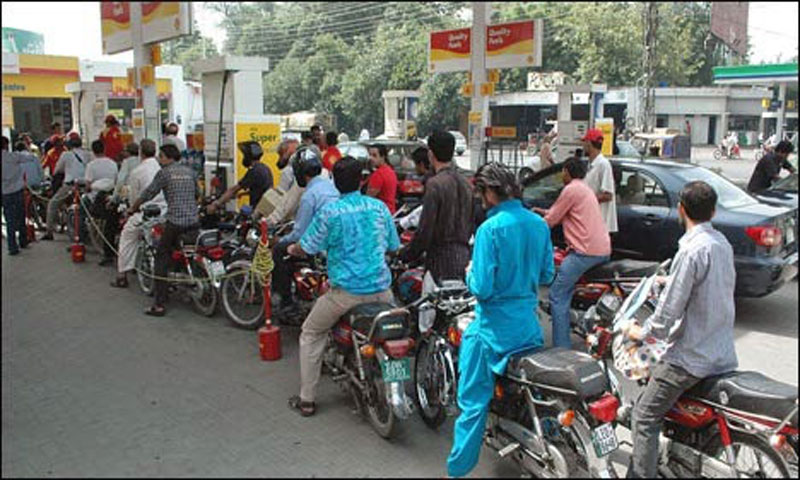
ISLAMABAD: The petroleum minister defended a shift to daily fuel-price adjustments at a meeting with industry stakeholders Saturday, a day after diesel prices jumped by more than 31 rupees a liter and provincial authorities in Sindh warned of fuel hoarding tied to the volatility.
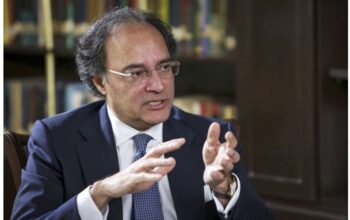
Ali Pervaiz Malik told refiners, marketing companies and regulators that replacing the weekly pricing cycle with a daily, formula-based mechanism would curb market abuse and eliminate the windfall gains that critics say the current system allows. “The new system would help curb market abuse and eliminate opportunities for windfall gains,” he said, adding that it would ensure greater transparency and fair pricing for consumers.
The reform lands at an awkward moment for the government. Petrol rose 5.44 rupees a liter and diesel 31.05 rupees on Friday, with officials citing higher import costs as renewed hostilities between the US and Iran unsettle global crude markets. The steep diesel increase — far outpacing the petrol rise — has stoked concern about transport and food costs, while Sindh’s provincial government has put authorities on alert against hoarding as consumers and dealers brace for further volatility.
Malik framed the daily-pricing mechanism as a defense against exactly that kind of speculative behavior, arguing that a system updated every 24 hours leaves dealers and marketing companies less room to hold back stock in anticipation of a price jump — a practice more feasible under the old weekly cycle. “The reform has been introduced on the directive of the prime minister and approved by the federal cabinet as part of the government’s commitment to establishing a rules-based petroleum pricing regime,” he said.
Under the new mechanism, Ogra will calculate and publish retail prices daily using a formula tied to international benchmarks and exchange-rate movements, a process officials have compared to daily currency adjustments. The design is meant to strip out discretionary government sign-off, which the minister argued has historically left prices vulnerable to political timing rather than market conditions.
Industry representatives welcomed the shift as a step toward deregulating a sector long subject to state-administered pricing, though several raised operational concerns during the session — including supply-chain logistics, inventory management and access to real-time pricing data, according to officials briefed on the discussion. Malik said the government would work through those issues. “All genuine issues would be addressed through continued consultation and collaborative engagement,” he said.
The minister directed the Petroleum Division and Ogra to hold follow-up meetings with industry representatives to refine the pricing formula and resolve outstanding technical questions, including the Inland Freight Equalisation Margin, refinery adjustments and true-up calculations, before the system’s full rollout. A dedicated committee has been set up to oversee the transition, and Ogra told participants it has upgraded its internal systems to publish daily price data.
Saturday’s meeting included representatives of the Oil and Gas Regulatory Authority, the Oil Companies Advisory Council, the Oil Marketing Association of Pakistan, refiners and oil marketing companies, along with senior Petroleum Division officials.
Copyright © 2021 Independent Pakistan | All rights reserved