By Staff Reporter
ISLAMABAD: The government has waived mandatory banking instruments for land-route exports of rice, other food items and pharmaceuticals to Iran, a three-month exemption aimed at shielding traders from growing uncertainty in maritime shipping caused by the Gulf crisis.
The commerce ministry notified customs field formations of the decision, which also clears the way for rice shipments destined for Central Asian republics and Azerbaijan to travel overland through Iranian territory. The relief applies to 10 food products — rice, seafood, potatoes, meat, onions, maize, citrus fruits, bananas, tomatoes and frozen chicken — as well as pharmaceutical products and tents. It takes effect from March 24 and runs through June 21.
Exporters will still be required to submit a formal undertaking that proceeds will be repatriated within the stipulated period, officials said. The move represents a routine extension of long-standing relaxations that have allowed cross-border trade with Iran to continue despite the absence of formal financial channels. “This is a routine extension in exemption from banking instruments for trade with Iran,” a commerce ministry official said, requesting anonymity.
The decision comes as Pakistan maintains a separate barter-trade mechanism with Iran, designed to bypass payment bottlenecks and sustain bilateral commerce through direct goods exchanges. The latest waiver builds on a pattern of temporary relief granted every three to six months since exporters first sought government intervention.
The requirement for formal banking instruments was imposed in 2016 after Pakistan was placed on the Financial Action Task Force grey list. The State Bank of Pakistan then mandated that all external trade comply with foreign-exchange rules, a step that sharply curtailed shipments to Iran because of international sanctions and the lack of functioning banking links.
Exporters initially obtained a court stay order allowing alternative payment methods, but that was lifted in October 2024. They subsequently petitioned the government for relief, leading to the series of exemptions now in place. Officials have consistently maintained that food items and medicines exported to Iran are not subject to international sanctions, permitting the relaxed terms.
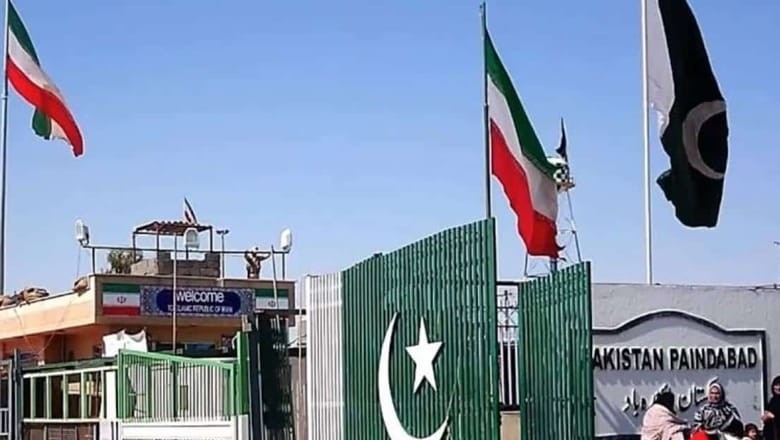
In a parallel effort to tighten border oversight and bring informal trade into the formal economy, Pakistan has opened a new customs station at Jeerak in the Panjgur district along the Pakistan-Iran frontier. Designated the fifth official crossing point for trade and transit with Iran, the facility is intended to ease passenger movement, regulate personal baggage and channel local commerce through documented channels.
The Jeerak station follows the opening of the Kohak Cheedgi crossing in January 2025 and the Gabd Rimdan point in December 2024. Together, the new facilities are designed to reduce smuggling by offering regulated, accessible routes for traders while improving documentation of cross-border flows.
Copyright © 2021 Independent Pakistan | All rights reserved