By Staff Reporter
ISLAMABAD: Pakistan is moving to build strategic crude-oil stockpiles and speed up a shift to electric vehicles as the conflict involving the US, Iran and Israel disrupts shipping through the Strait of Hormuz, a chokepoint that carries about one-fifth of global oil and gas supplies.
Prime Minister Shehbaz Sharif chaired a meeting Thursday on energy security, reviewing the country’s preparedness for potential supply shocks and price spikes. Officials told the meeting that Pakistan, which depends heavily on imported fuel, has so far avoided an energy crisis thanks to timely conservation steps, but longer-term safeguards are now a priority. “Energy security has now become a critical component of the country’s overall future planning,” Sharif said, according to a government statement released after the session.
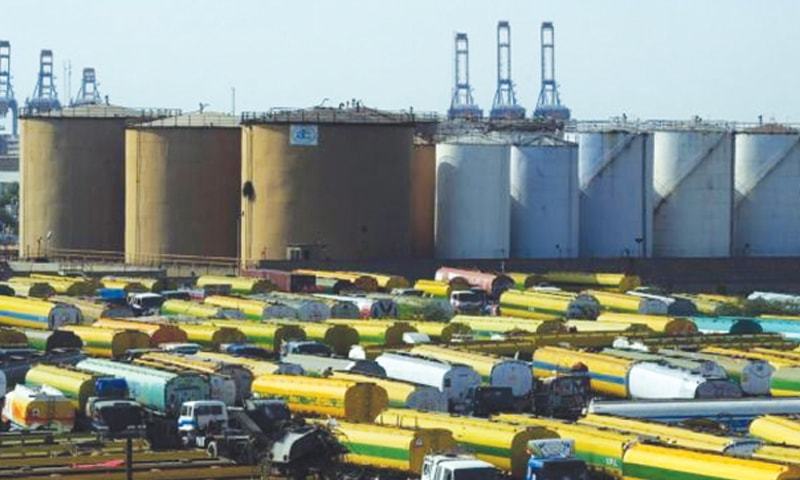
The prime minister directed authorities to press ahead with plans for strategic reserves of crude oil to buffer against external disruptions. He also ordered a gradual transition in the transport sector toward electric vehicles, specifying that only electric buses and motorcycles should be procured for government use in the future. Officials were told to accelerate the rollout of EV charging stations nationwide.
Sharif further called for a framework to simplify the purchase of batteries capable of storing surplus electricity from solar installations. He emphasized the need to encourage local manufacturing of high-quality storage batteries to support wider renewable-energy adoption.
The Middle East conflict has effectively curtailed tanker traffic through the Strait of Hormuz, with Iran blocking or threatening vessels and the US imposing a counter-blockade on Iranian shipping. The resulting supply squeeze has driven oil prices higher, unsettled global markets and raised inflation risks. For import-dependent economies such as Pakistan, the fallout extends to higher costs for fertilizer and transport, amplifying concerns over food security.
Officials at Thursday’s meeting reported that the National Coordination and Management Council, set up to manage crisis response, is tracking the energy situation daily. They said current petroleum reserves are sufficient and that the overall food-security position remains stable. Domestic oil and gas production is rising thanks to ongoing work by producers, they added.
Two pilot projects for grid-scale battery storage are in preparation under PC-I, the government’s standard project-approval document. Authorities are also promoting the installation of battery systems by households with rooftop solar panels to capture and use excess generation.
The Thursday directives build on separate planning disclosed a day earlier. On Wednesday, during a review of electric-vehicle policy, Sharif was briefed that the government aims to convert 30% of the national vehicle fleet to electric within five years, a step projected to save about $4.5 billion in fuel imports. Officials said government employees up to Grade 16 would be offered electric motorcycles on easy installments. The prime minister instructed that subsidies for low-income buyers under the National EV Policy be delivered transparently and that rollout of the program be expedited.
Copyright © 2021 Independent Pakistan | All rights reserved